 By admin
Introduction
On the night of June 4, 1993, the lights of the Jim Stafford Theatre in Branson, Missouri, didn’t just illuminate a country music legend; they captured the final, agonizing stand of a man who seemed to be racing against an invisible clock. Conway Twitty, the “High Priest of Country Music,” performed with an intensity that many fans later described as otherworldly, even as a silent killer—an abdominal aortic aneurysm—began to rupture within him. This was not a man who looked ill; this was a man who looked like he was completing a mission. But it is the events leading up to that final curtain call that have fueled decades of speculation: Did Harold Jenkins know that his final bow was imminent?
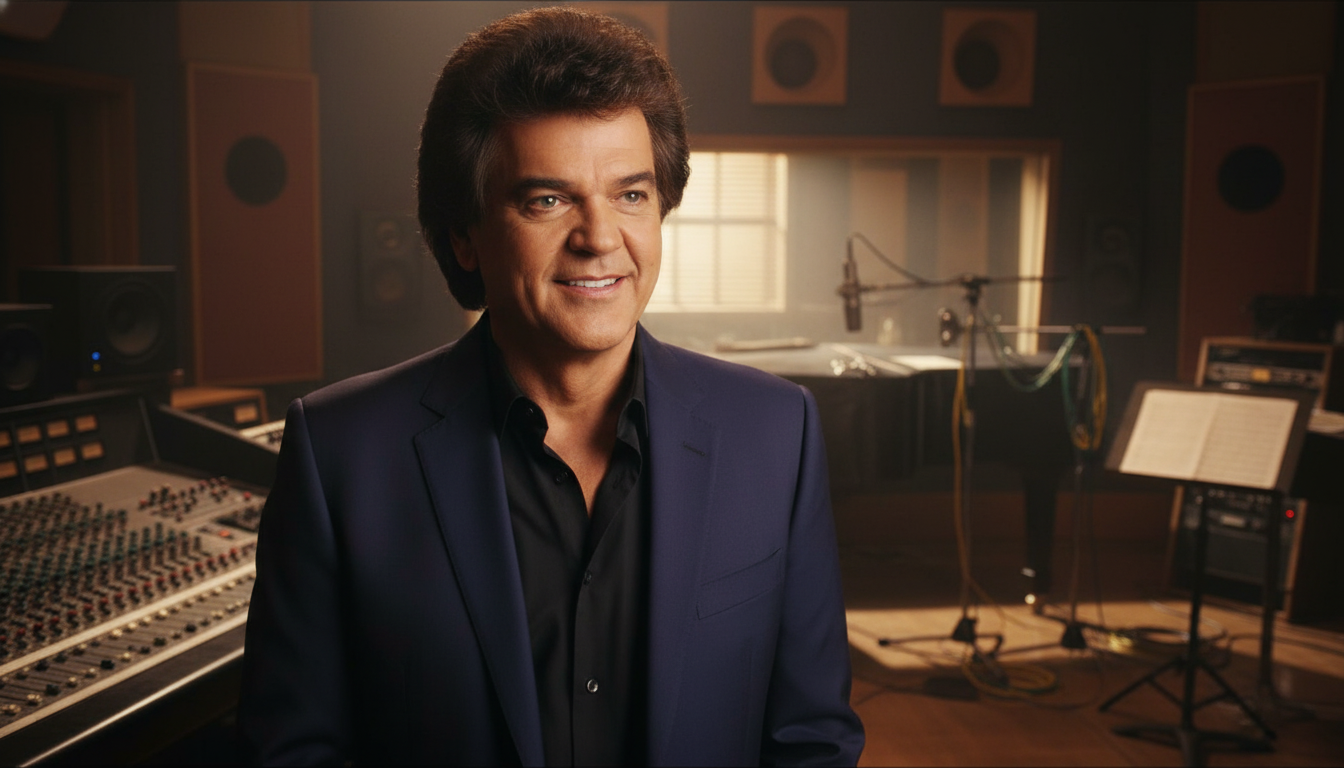
The evidence of a premonition lies most starkly in the title of his final studio work. Just weeks before he stepped onto his tour bus for that fateful trip home to Hendersonville, Twitty had wrapped up an album he insisted on calling “Final Touches.” In the superstitious world of Nashville, such a title is often avoided, yet Twitty leaned into it with a peculiar, quiet resolve. Those close to the recording process noted a shift in his demeanor; the man who had delivered 55 number-one hits was no longer chasing charts, but instead seemed focused on crafting a definitive, polished farewell. The sessions were marked by a sense of urgency and precision, as if he were aware that there would be no “next time” to fix a note or a lyric.
The “coincidences” only grew more haunting as the hours ticked down. As Twitty lay in agony on his bus, his driver, Bill Parks, raced toward Cox South Hospital in Springfield. By a twist of fate that borders on the supernatural, his long-time duet partner and “soulmate of the stage,” Loretta Lynn, was already at that exact hospital, tending to her husband, Doolittle. The odds of the two most iconic partners in country music history being in the same medical wing in a different state at the exact moment of a life-ending crisis are astronomical. Loretta later recounted a heavy, spiritual feeling that preceded the news—a sense that the “High Priest” was already crossing over before she even reached his side.
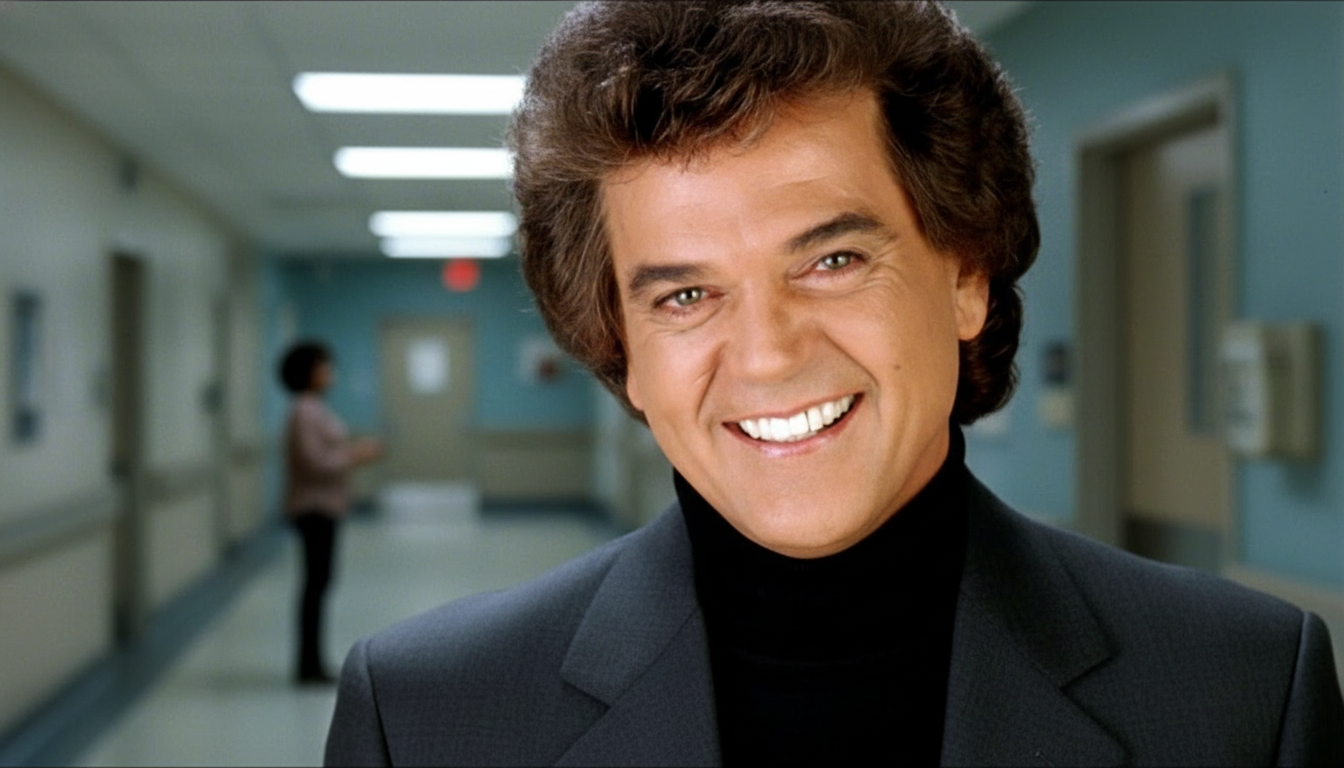
This wasn’t just a sudden medical emergency; it was the closing of a circle. From the eerie choice of his final album’s name to the fateful rendezvous with Loretta in a hospital hallway, every detail of Conway Twitty’s final 24 hours suggests a man who was, perhaps subconsciously, preparing his “Final Touches.” He didn’t just die; he completed a narrative, leaving behind a legacy that felt meticulously prepared for the silence that followed.