 By admin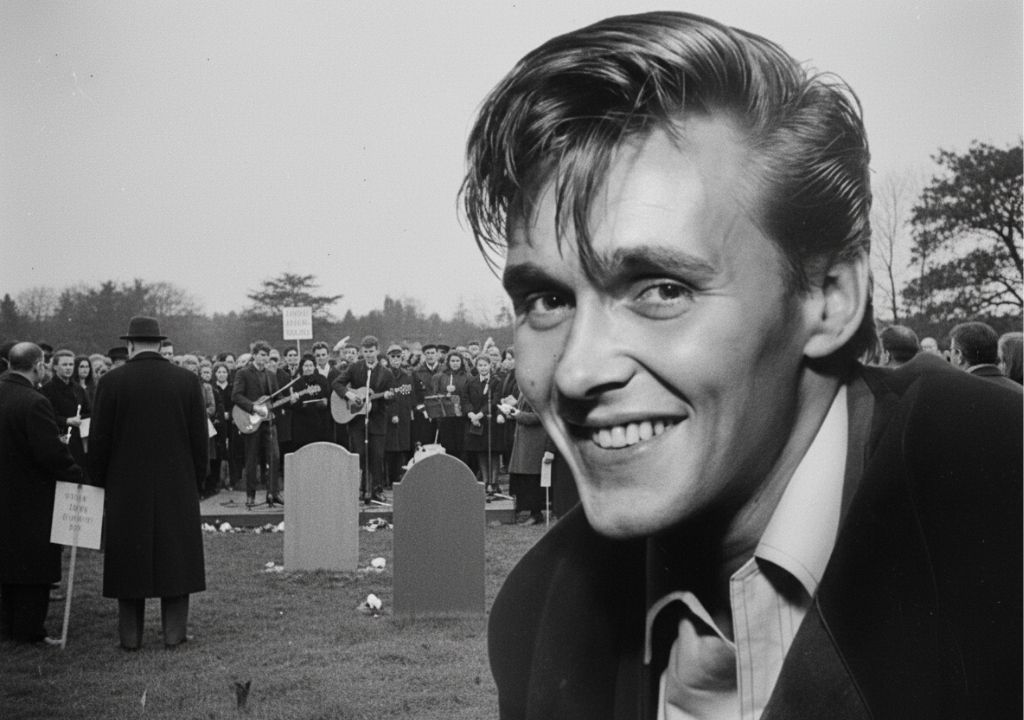
Introduction
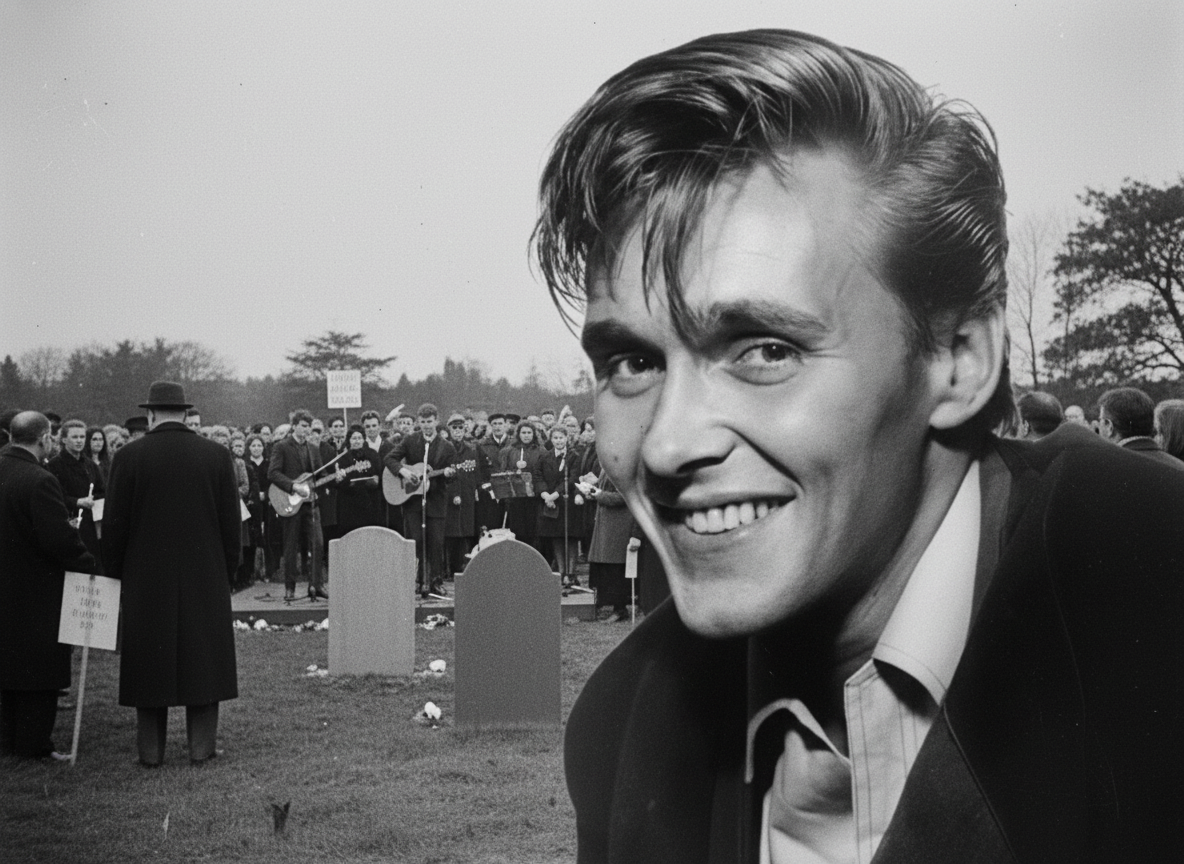
The air at Mill Hill Cemetery on January 28, 2025, carried a distinct, harmonic friction. As the frost clung to the headstone of Ronald Wycherley—the man the world synthesized into Billy Fury—a group of contemporary musicians, barely old enough to remember the turn of the millennium, began to deconstruct his arrangements. This was not merely a ritual of nostalgia; it was a demonstration of cultural persistence. Forty-two years after his departure, the “British Elvis” remains an architectural pillar of the United Kingdom’s musical identity, a fact underscored by simultaneous commemorations in the capital and his native Liverpool.
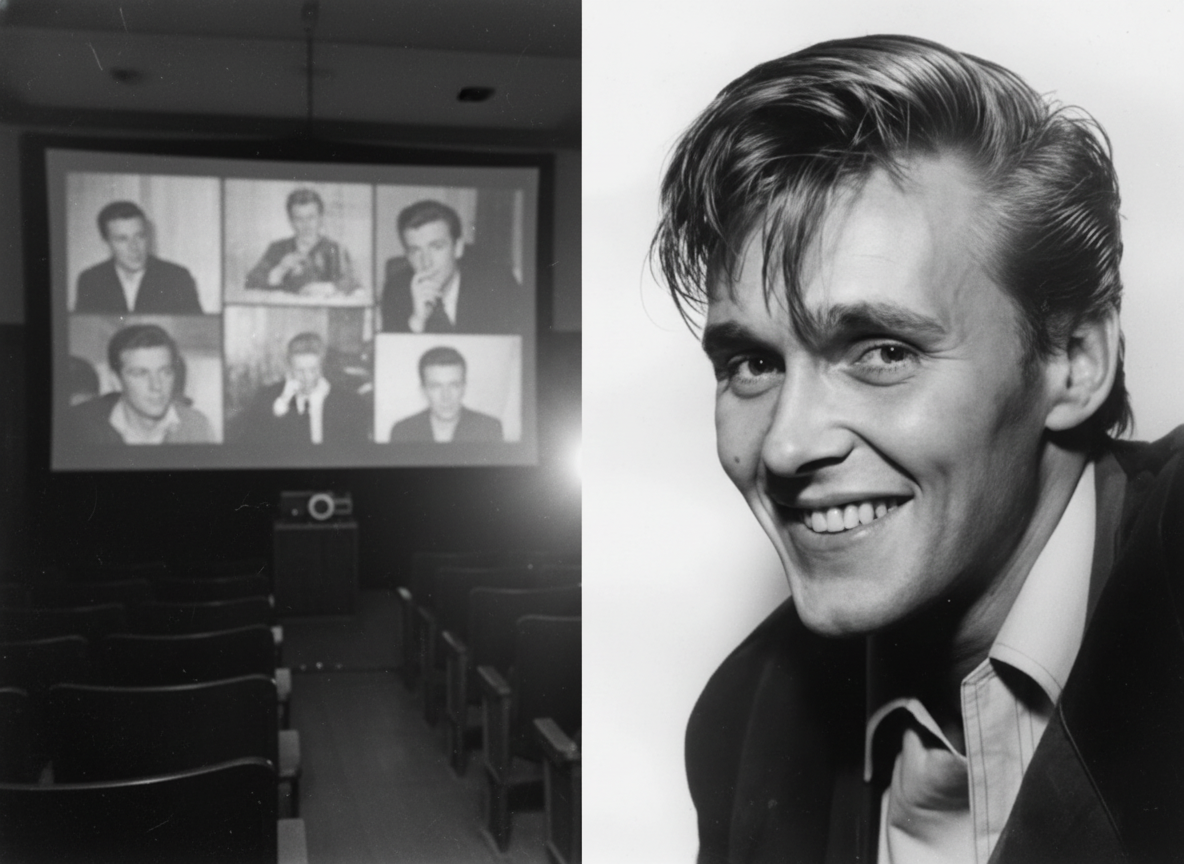
The narrative arc of the day suggested a profound dichotomy in how we process the passing of time. In London, the focus was on the physicality of legacy—the grave, the live performance, the tactile presence of the next generation. In Liverpool, however, the tribute took a more ethereal, archival form. The screening of “Forget Him,” a retrospective featuring previously unseen celluloid of Fury in his private moments, served as a digital séance. These rare frames did not merely show the polished idol of the silver screen, but rather a man of quiet, almost painful introspection. The tension throughout these events was palpable: how can an artist who was so frequently defined by his “fragility” exert such an indomitable influence four decades after his heart finally faltered?
Every performance at the graveside and every frame of the Liverpool video sought to bridge this gap. The “Golden Thread” linking these two cities is the recognition that Fury was the original paradigm shift in British pop. Before the Beatles democratized the Liverpool sound, Fury was the solitary pioneer, a provincial boy who conquered the metropolitan industry with a mixture of raw rockabilly energy and a velvet, operatic vulnerability. To watch young artists reinterpret his catalog in 2025 is to witness the “Music of Writing” in action—his melodies are no longer just songs; they are a vocabulary for the disenchanted and the romantic alike.

The contextual depth of this 42nd anniversary lies in the industry’s evolving relationship with its progenitors. We are no longer content with mere “best of” compilations. The demand for “rare footage” and “unseen manuscripts” speaks to a collective desire for a more meticulous understanding of the human behind the brand. By involving young musicians in London, the organizers ensured that the legacy is not a stagnant monument, but a living, breathing influence. The nuances of his vocal delivery—that signature, breathy catch and the delicate vibrato—now inform the phrasing of artists who inhabit a completely different digital landscape, yet find common ground in his emotional honesty.
Furthermore, the timing of this event—marking 42 years rather than a “round” milestone like 40 or 50—highlights the organic nature of his staying power. It suggests that the remembrance of Fury is not a mandated corporate anniversary, but a spontaneous, enduring necessity for those who value the nuance of the performer. As the sun set over the Mersey and the echoes faded in Mill Hill, the resolution of the day became clear. The title of the tribute film, “Forget Him,” functions as a masterful irony. In the four decades since his passing, the cultural machinery and the devoted public have done the exact opposite. Billy Fury has been meticulously woven into the fabric of British history, proving that true resonance is immune to the erosion of time and the silence of the grave.