 By admin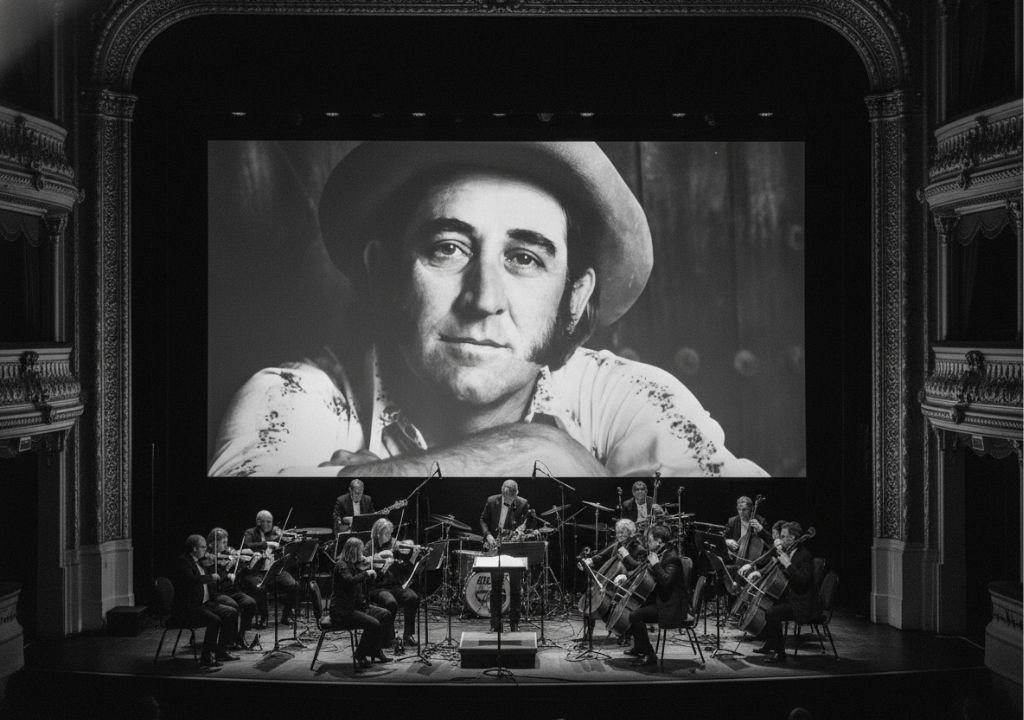
Introduction
The atmosphere inside the Manchester Opera House in December 2025 is defined by a singular, jarring contradiction: the presence of a man who has been physically absent for eight years. As the house lights dim, the initial silence is not broken by a digital synthesizer or a pre-recorded track, but by the tangible, wooden resonance of a live acoustic guitar. This is the opening movement of “Music and Memories of The Gentle Giant,” a production that seeks to navigate the treacherous waters between technological innovation and artistic integrity. While the American music industry remains embroiled in a bitter paradigm shift regarding unauthorized AI-generated vocals, this UK production offers a different path—a high-fidelity restoration of truth.
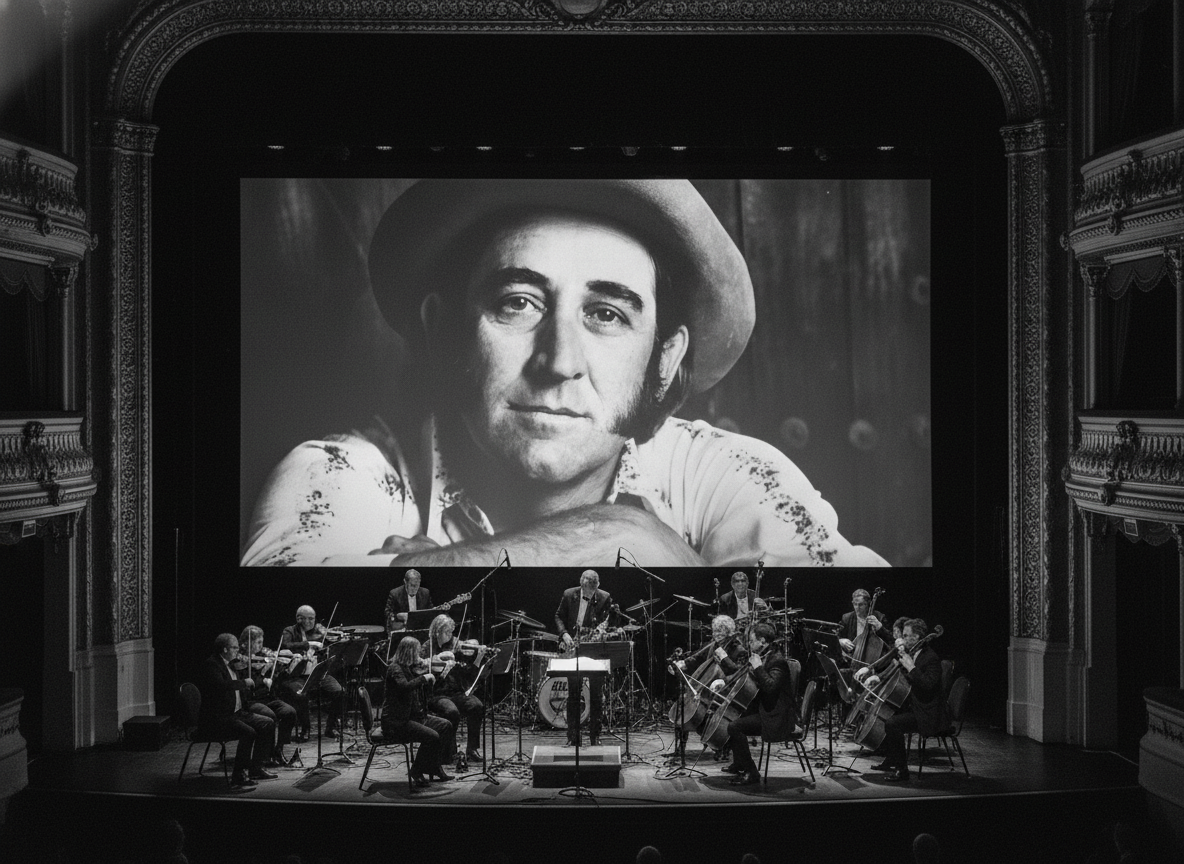
The “Golden Thread” of this narrative is the involvement of Keith Urban, a modern superstar whose reverence for Don Williams borders on the sacred. Urban’s vision was not to create a hollow simulacrum or a “hologram” in the traditional sense, but to architect a meticulous reconstruction of history. By utilizing advanced audio-visual extraction techniques, the production isolates Williams’ original vocal tracks and archival film footage, projecting his likeness onto a grand scale. The tension, however, arises from the accompaniment. This is not a “karaoke” session for the masses; it is a complex synchronization between a digital ghost and the living.
To achieve this, the production imported Williams’ original touring band members from the United States. These musicians, who spent decades following the “Gentle Giant’s” lead on the road, now find themselves following his digitized baton. Their live performance is augmented by the British Philharmonic Orchestra, creating a wall of sound that is both expansive and intimate. This choice serves as a direct rebuttal to the current trend of low-cost, high-tech celebrity replications. It posits that a legacy is not merely a voice profile to be fed into an algorithm, but a collaborative human effort that requires the nuance of live instrumentation to truly resonate.
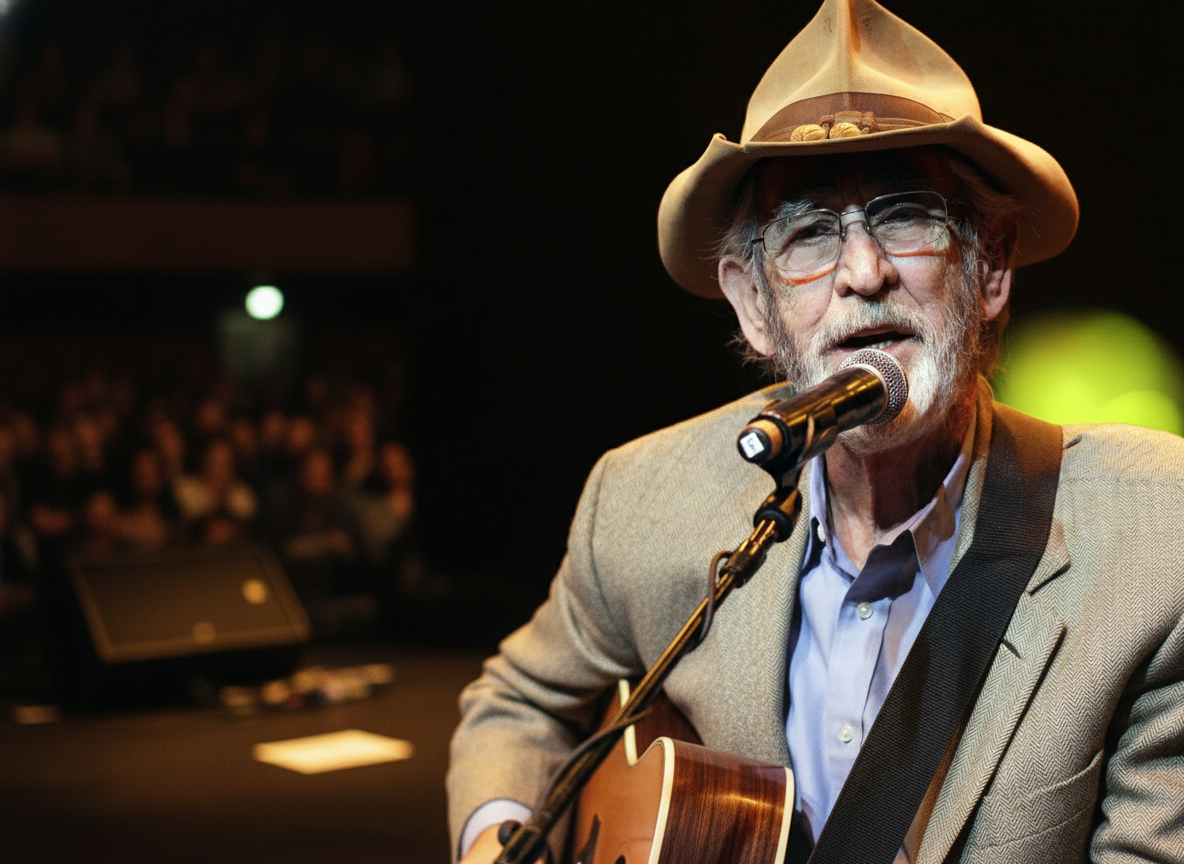
The setlist, a sprawling twenty-nine-song journey, includes staples like “I Believe In You” and “Tulsa Time.” Yet, it is the performance of “Good Ole Boys Like Me” that provides the most profound contextual depth. In a world increasingly dominated by the artificial, the song’s exploration of Southern heritage and the passage of time becomes an inevitable commentary on the show itself. The audience is not just hearing a song; they are witnessing the preservation of a specific kind of American dignity—one that was famously allergic to artifice.
The resolution of this Manchester engagement suggests that the future of the “post-human” concert may lie in this delicate balance. By anchoring the technology in the reality of original band members and a world-class orchestra, the production avoids the “uncanny valley” that often plagues digital tributes. It replaces the “Information Gap” left by Williams’ passing with a dense, sensory experience that honors the man’s philosophy of simplicity. As the final notes fade into the Manchester night, the lingering thought is one of quiet triumph: in the age of the machine, the most powerful tool remains the human connection.