 By admin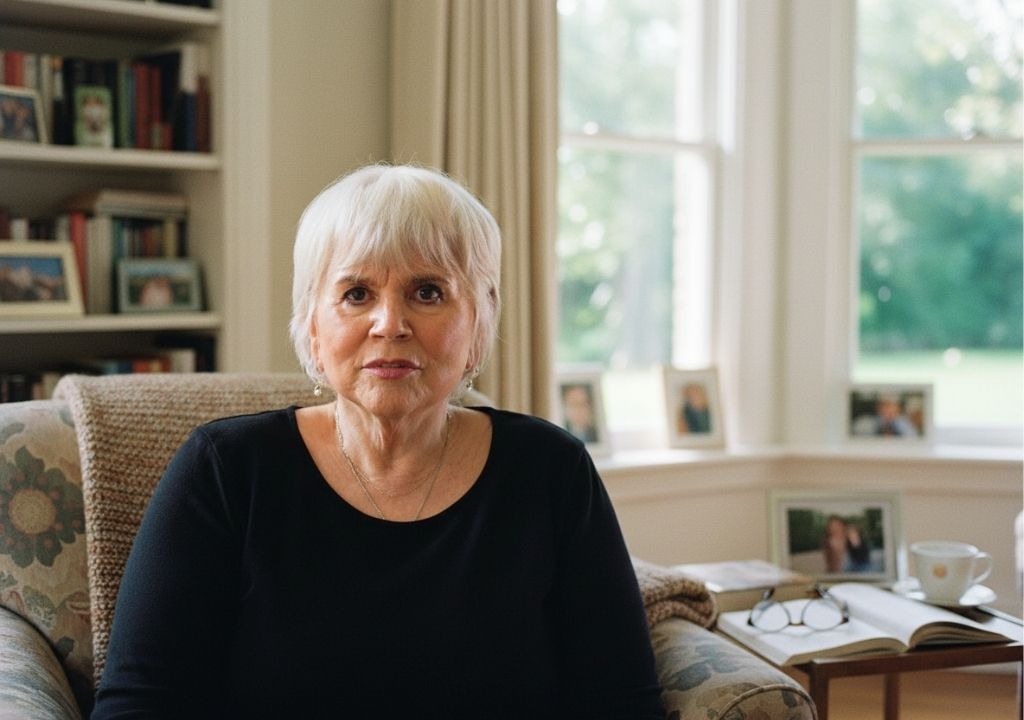
Introduction
The harpsichord introduction to “Different Drum” remains one of the most recognizable flourishes in the American songbook, a baroque-pop signal that announced the arrival of a generational talent. Yet, for the woman who delivered those defiant lyrics, the recording has long functioned as a source of silent, psychological friction. In a revealing December 2025 interview with Parade, Linda Ronstadt, now 79, dismantled the mythology of her first hit, revealing that the track which cemented her stardom was, for her, a masterclass in creative discomfort.
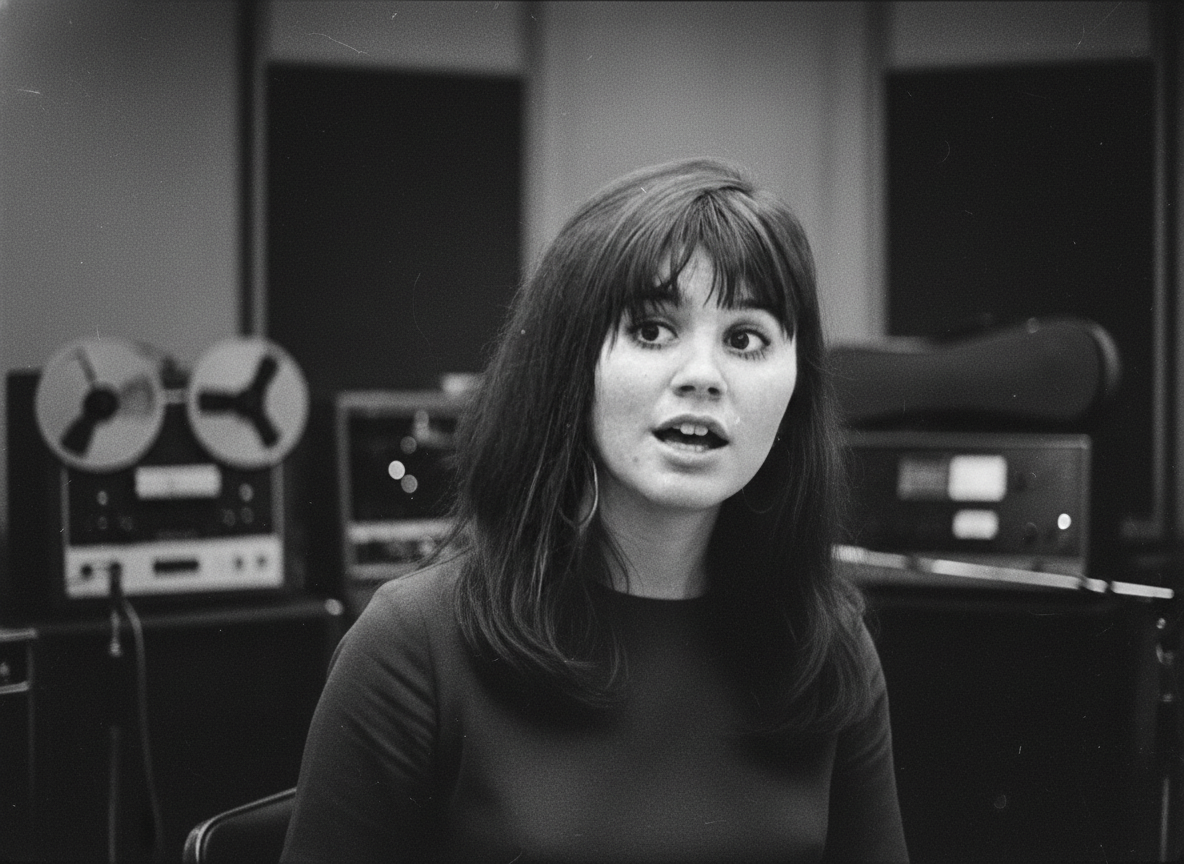
The “Golden Thread” of Ronstadt’s career has always been her meticulous pursuit of vocal mastery—a standard she believes she failed to meet in that 1967 session with The Stone Poneys. She describes a younger version of herself as “lacking direction,” a girl thrust into a sophisticated arrangement without the technical vocabulary to navigate it. To the public, her performance was an anthem of independence; to the artist, it was a recorded record of her own perceived inadequacy. This paradigm of the “unhappy masterpiece” highlights the chasm between audience perception and the artist’s internal reality. Ronstadt’s admission suggests that early success can often feel like a permanent document of one’s least-developed self.
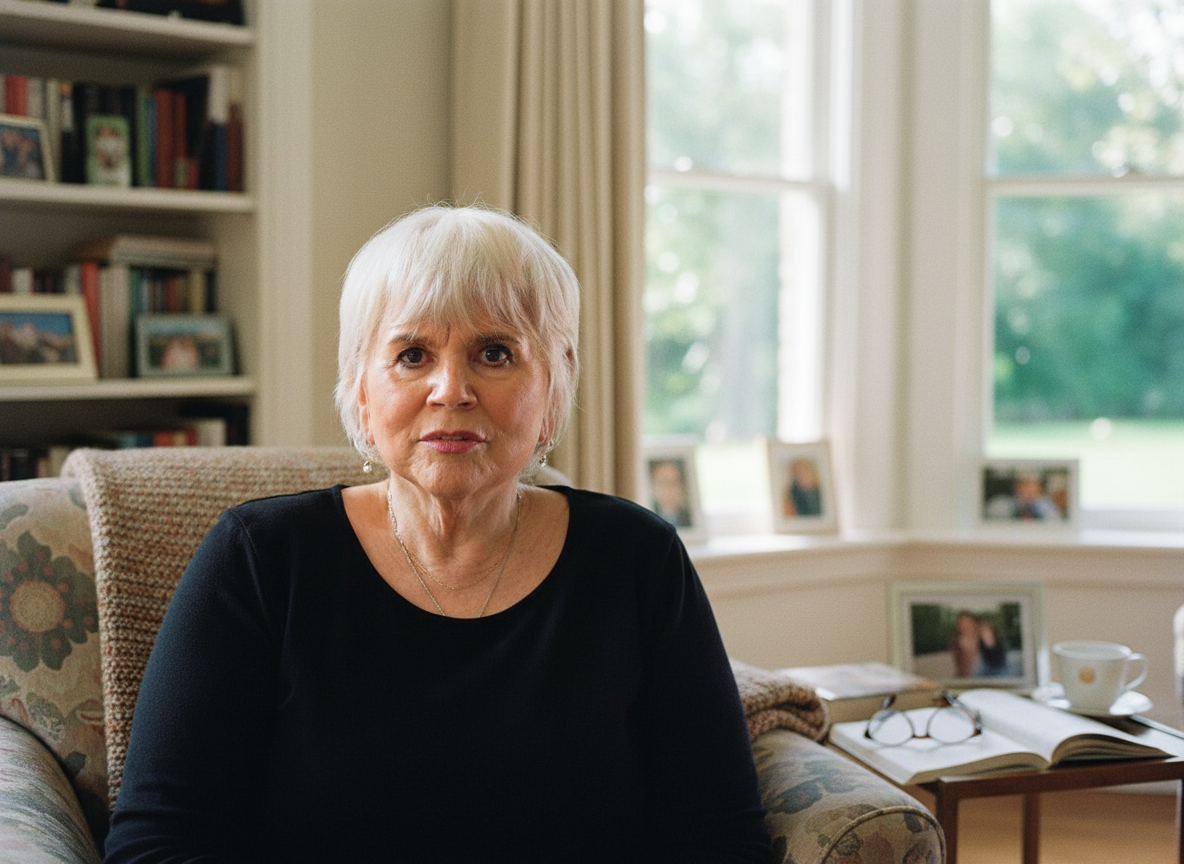
This reflection on past imperfections stands in sharp contrast to her current, lived reality. Ronstadt’s struggle with Progressive Supranuclear Palsy (PSP) has rendered the act of singing a physical impossibility, yet her intellectual vigor remains unyielding. There is a profound nuance in her resilience; rather than mourning the loss of her four-octave range, she has redirected her formidable focus toward the present. Her days are no longer defined by the acoustics of a recording booth, but by the rhythm of literature and the intimacy of conversation. The “Music of Writing” in her life has shifted from the melodic to the philosophical.
The contextual depth of this interview arrives at a pivotal moment for her legacy. Throughout 2025, the cultural conversation has centered on the upcoming biopic starring Selena Gomez, a project that seeks to translate Ronstadt’s “brave, multidisciplinary journey” for a digital-native audience. By expressing her “fear” and dissatisfaction with her early work now, Ronstadt is providing a corrective narrative for the film. She is ensuring that her legacy is not sanitized into a simple “star is born” trope, but understood as a relentless, often painful, evolution toward self-actualization.
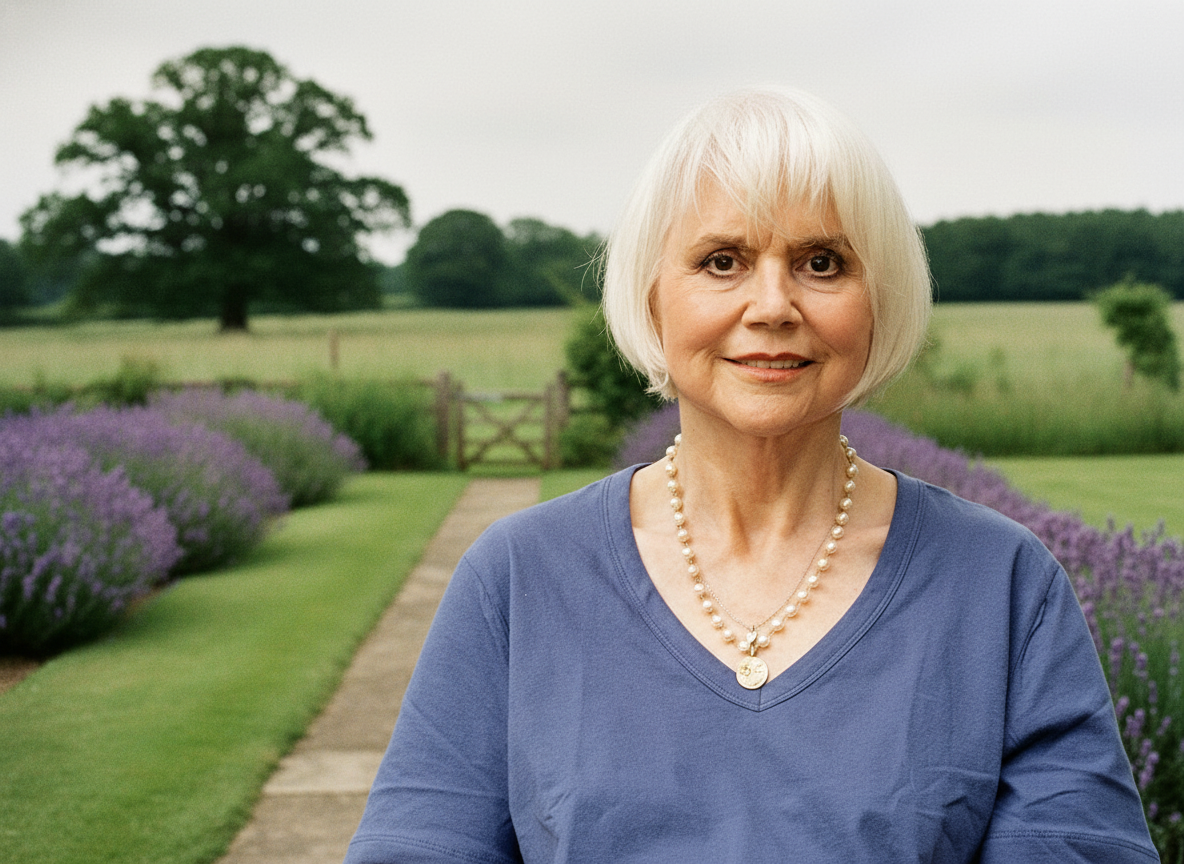
Ultimately, the resolution of Ronstadt’s story is found in her acceptance of the “now.” Her refusal to be haunted by the technical flaws of 1967 or the physical limitations of 2025 reflects a woman who has finally achieved the independence she sang about half a century ago. She has moved beyond the “Different Drum” of the studio and into a self-contained silence that is, in its own way, her most authoritative performance yet. We are left to reflect: if a legend can forgive herself for her most famous work, perhaps there is hope for the rest of us to find peace in our own unfinished histories.