 By admin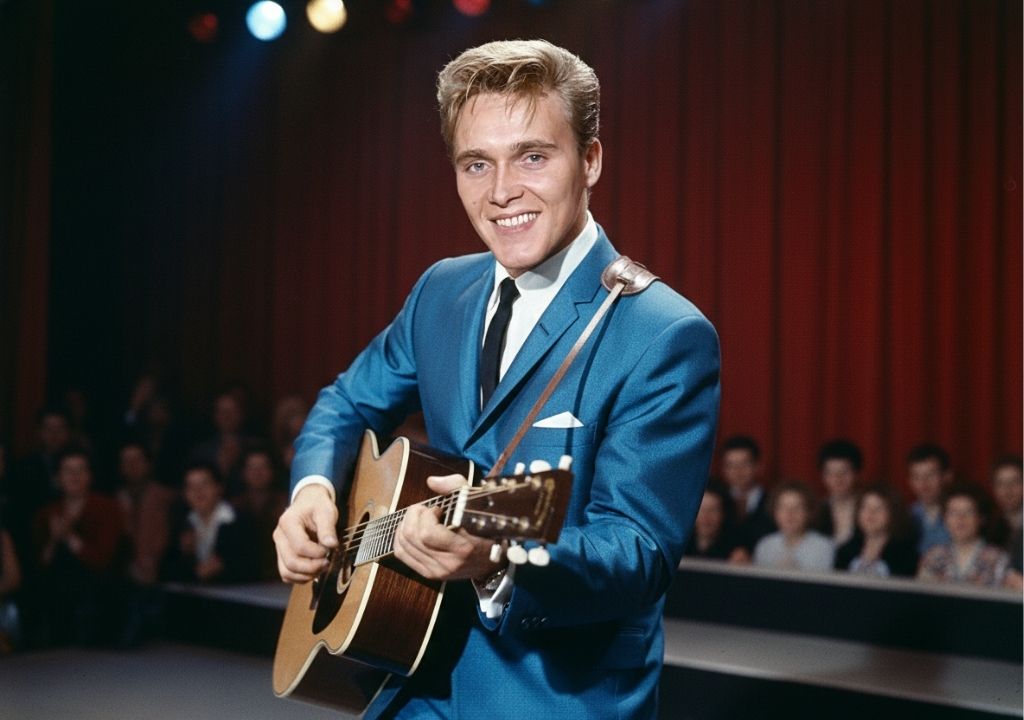
INTRODUCTION
The late 1950s were a whirlwind of leather jackets, pompadours, and a brand-new sound that terrified parents while electrifying the youth. In America, Elvis Presley was already a deity, a force of nature that changed the cultural landscape forever. But across the pond, a shy young man from Liverpool named Ronald Wycherley was about to be transformed into Billy Fury. This morning, we look back at the explosive debut of a man who didn’t just imitate Elvis—he channeled the same rebellious spirit with a uniquely British vulnerability.
THE DETAILED STORY
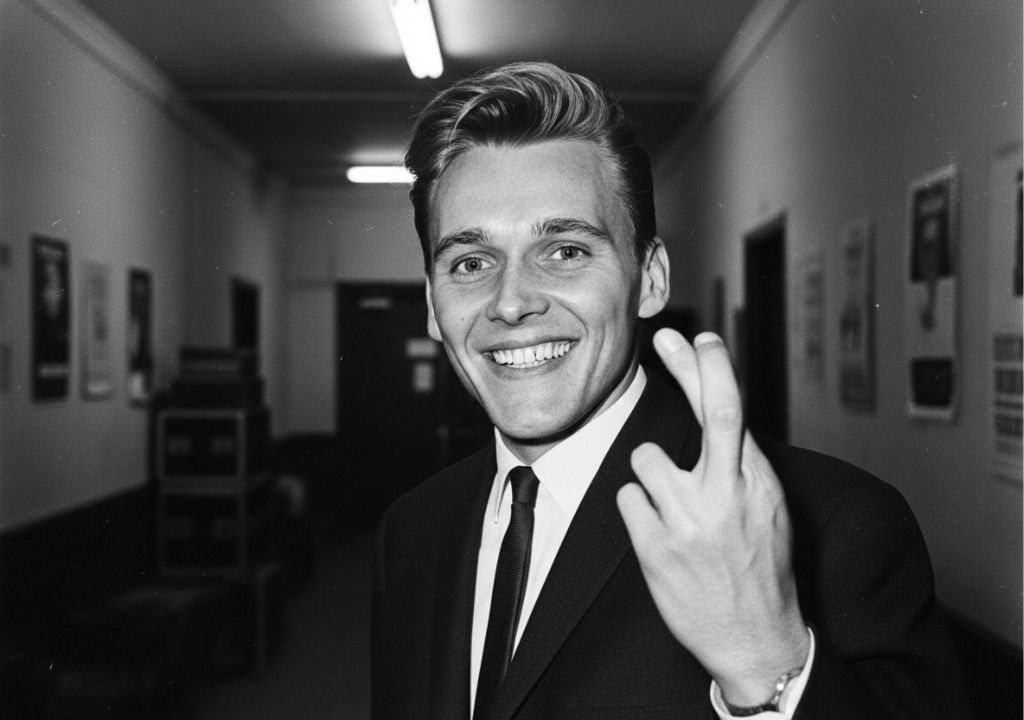
When Larry Parnes first saw Ronald Wycherley, he didn’t just see a singer; he saw a star. Parnes, the legendary impresario known for giving his artists stage names like Marty Wilde and Duffy Power, instantly rechristened the young Scouser as “Billy Fury.” It was a name that promised action, and Billy certainly delivered. While many early British rockers felt like pale imitations of American stars, Billy had something different. He possessed a natural, brooding charisma that felt authentic. He wasn’t just wearing the clothes; he lived the music.
In the early days, the comparisons to Elvis Presley were inevitable and constant. Billy’s stage presence was a cocktail of raw sexual energy and a startling, almost fragile shyness. This was a mirror to the early “Hillbilly Cat” era of Elvis, where the danger was palpable. While Elvis was shaking the foundations of the Ed Sullivan Show, Billy was causing “fury” on British stages with his hip-swivelling antics. In fact, his performance of “Mean Woman Blues” was so suggestive that it led to him being banned from several venues and facing harsh criticism from the conservative press of the time.
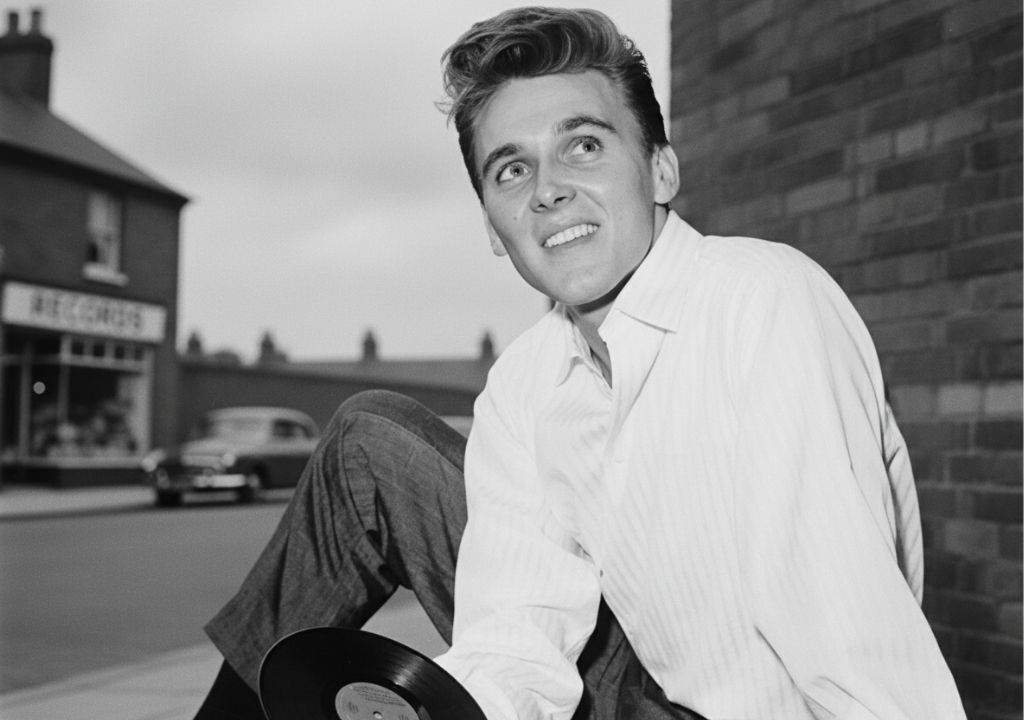
However, where Billy and Elvis truly shared common ground was in their vocal ability to blend rock and roll grit with soulful balladry. Billy’s debut album, “The Sound of Fury,” is often cited by music historians as the most authentic British rock and roll record of the era. It wasn’t just a collection of covers; Billy wrote much of the material himself, showcasing a creative depth that even the early Elvis hadn’t fully explored in his song choices. He captured the loneliness of the teenage experience in a way that resonated deeply with the “Silver Economy” generation who remember those flickering black-and-white television screens and the crackle of a new 45rpm record.
Both artists shared a certain “outsider” quality. Elvis was the truck driver from Tupelo; Billy was the deckhand from Liverpool. They both represented the rise of the working-class hero. While Elvis had the massive machinery of RCA and Colonel Tom Parker, Billy had to navigate the burgeoning British pop scene, often standing his ground against producers who wanted to turn him into a “safe” crooner. Yet, he maintained that edge, that Presley-esque “lip curl” that signaled he wasn’t quite ready to conform. Today, we remember that morning of his career as a time when the UK finally found a voice that could stand toe-to-toe with the King of Rock and Roll.