 By admin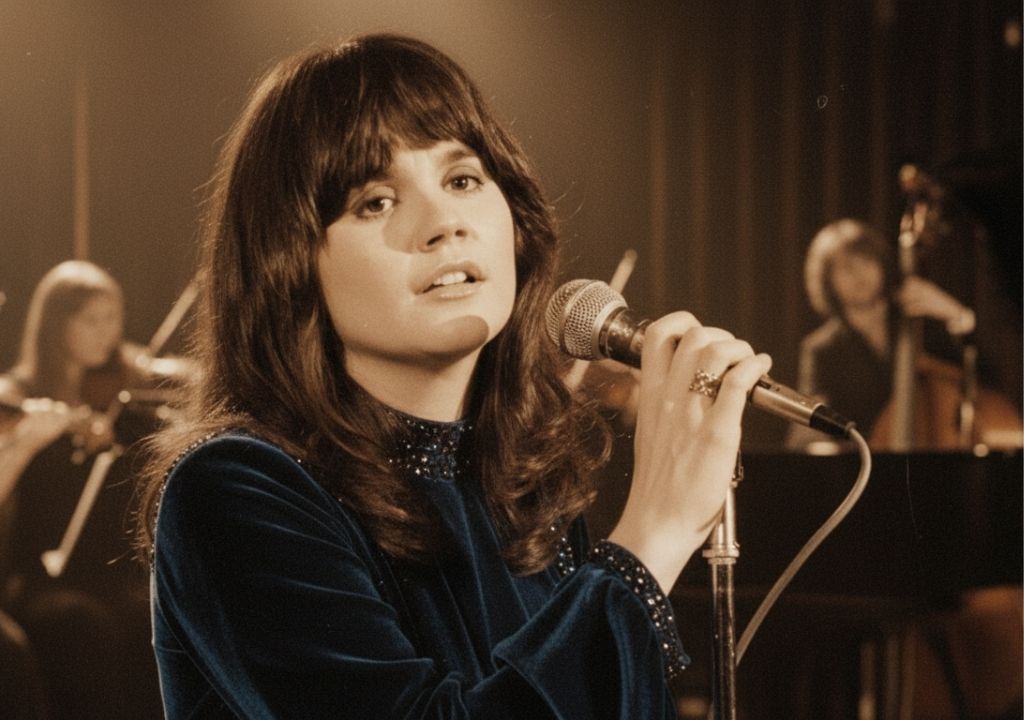
INTRODUCTION
In the early 1980s, Linda Ronstadt was at the absolute pinnacle of the music world. She was a multi-platinum rock star with a string of hits that most artists would die for. Then, she did the unthinkable. She decided to walk away from the contemporary charts to pursue a project that her record label feared was commercial suicide. This secret ambition required her to reinvent her entire stage persona and vocal style. The magnetism she displayed during this transition was a testament to her courage and her refusal to be pigeonholed.
THE DETAILED STORY
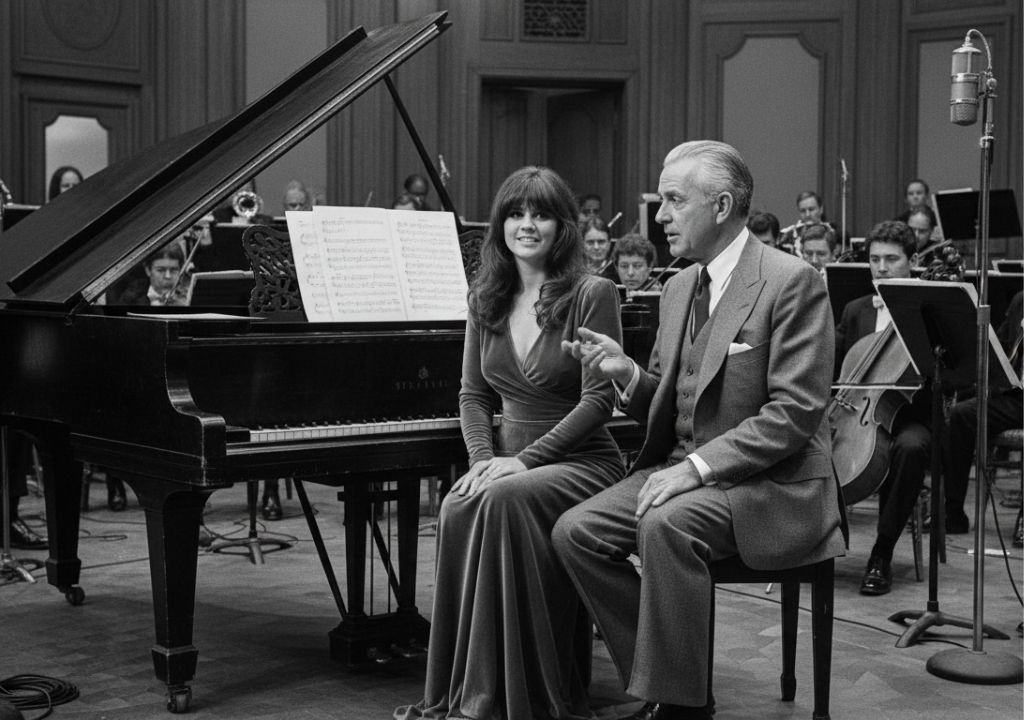
The secret move that shocked the industry was Linda’s decision to record the Great American Songbook with legendary arranger Nelson Riddle. At a time when MTV was beginning to dominate the airwaves and synth-pop was rising, Linda wanted to sing standards from the 1920s and 30s. Her advisors were terrified. They believed her young rock audience would abandon her and that older listeners wouldn’t accept a “pop singer” in such a formal setting.
However, Linda’s magnetism was rooted in her authenticity. She didn’t care about the risk; she cared about the music. When she took this new material to the stage, the transformation was staggering. Gone were the denim shorts and the rock grit. In their place was a sophisticated songstress in elegant gowns, backed by a full orchestra. She proved that her magnetism wasn’t tied to a specific genre, but to the truth she brought to every note.
This period revealed a different facet of her stage presence. It was no longer about the raw power of rock, but about the nuanced storytelling of jazz and traditional pop. She had to learn a whole new way of breathing and phrasing. The audience, initially skeptical, was quickly won over by her sheer talent. She didn’t just “cover” these songs; she inhabited them. Her magnetism in these performances was more refined and focused, proving that she was one of the greatest technical singers of her generation.
The success of these albums—What’s New, Lush Life, and For Sentimental Reasons—was a middle finger to the industry skeptics. Not only did they sell millions of copies, but they also introduced a whole new generation to the beauty of the American Songbook. Linda’s magnetism had effectively bridged a generational gap. She became a hero to the “Silver Economy” for honoring the music of their parents, while maintaining the respect of the rock fans who had grown up with her. This bold defiance of genres became the defining characteristic of her legacy.