 By admin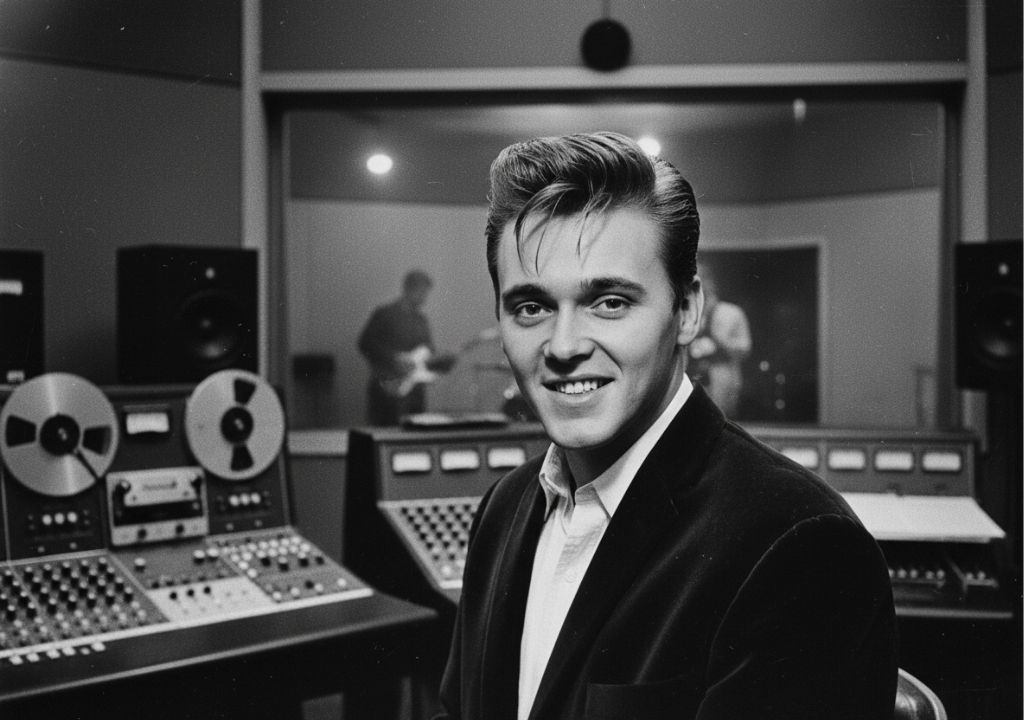
INTRODUCTION
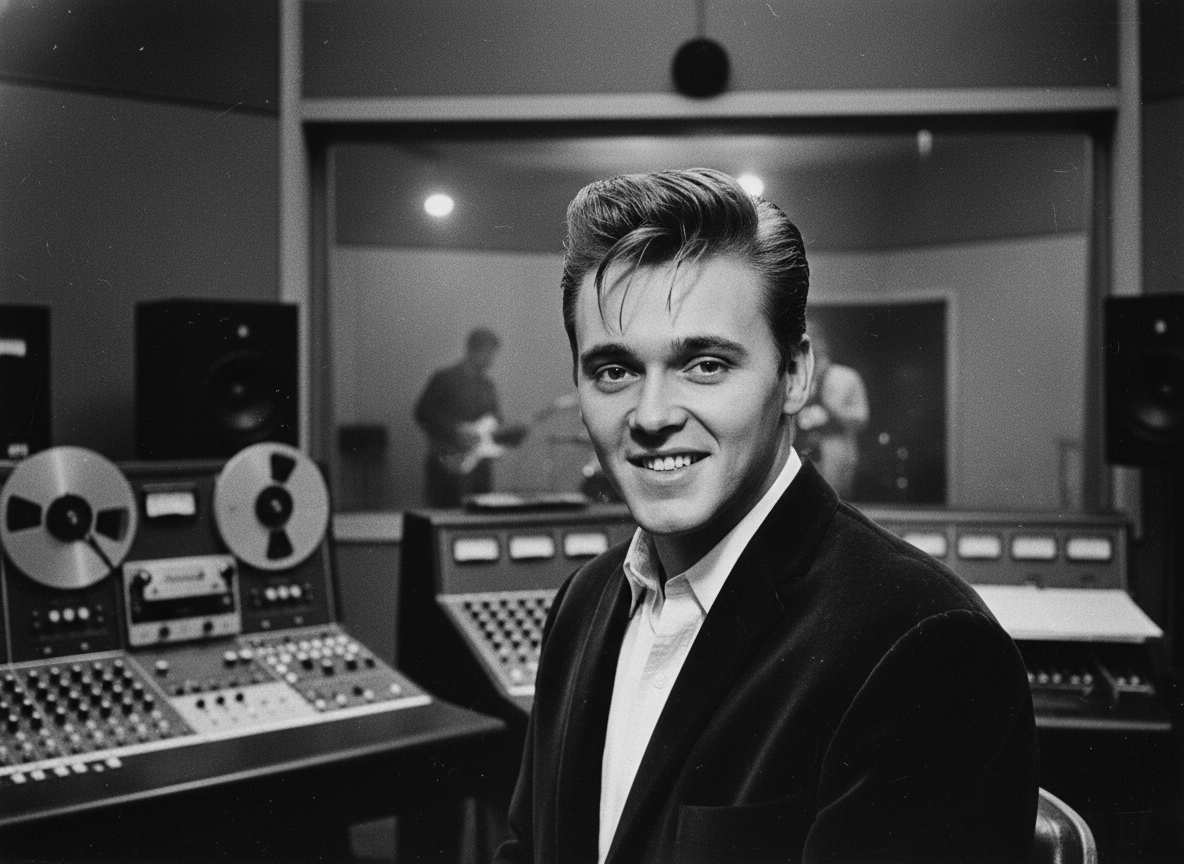
In the darkened hush of the modern theater, the graininess of 1960s BBC celluloid suddenly sharpens into high-definition clarity, bridging a sixty-five-year chasm between the monochrome past and the digital present. This is the kinetic opening of “Billy Fury In Sound and Vision,” a multimedia project that does not merely invite nostalgia, but performs a meticulous forensic reconstruction of a man who was once the architect of British rock-and-roll autonomy.
THE DETAILED STORY
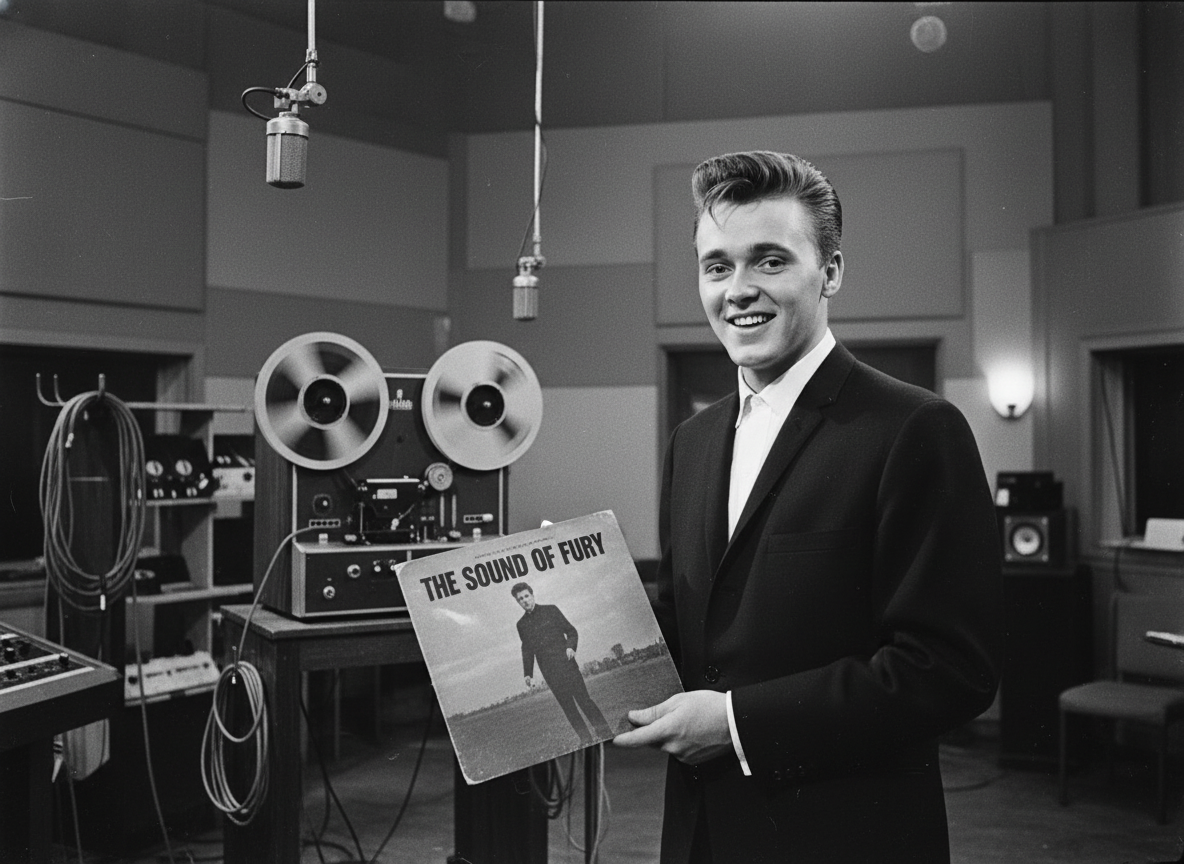
The launch of the “Billy Fury In Sound and Vision” project in late 2025 represents a significant paradigm shift in how the industry preserves legacy. For decades, the public image of Billy Fury was anchored in the visual shorthand of the “British James Dean”—a brooding, leather-clad icon whose physical magnetism often overshadowed his intellectual contributions to music. However, this new production utilizes advanced sound restoration technology to strip away the historical static, allowing the public to hear the “velvet” texture of his vocals as they were originally intended: raw, nuanced, and startlingly modern. The project’s central pillar is the 1960 debut 10-inch album, The Sound of Fury, a work that remains a statistical and creative anomaly in the history of British pop.
To understand the gravity of this show, one must acknowledge the historical nuance of 1960. Long before the self-contained band model of The Beatles became the industry standard, a nineteen-year-old Ronald Wycherley achieved the unthinkable: he wrote every track on his debut LP. In an era where “teen idols” were largely viewed as disposable vessels for professional songwriters, Fury’s insistence on his own compositions was a radical act of artistic sovereignty. The “In Sound and Vision” experience meticulously maps this journey, using rare BBC archives to illustrate how a shy dockworker from Liverpool engineered a sonic identity that was both fragile and fiercely independent.
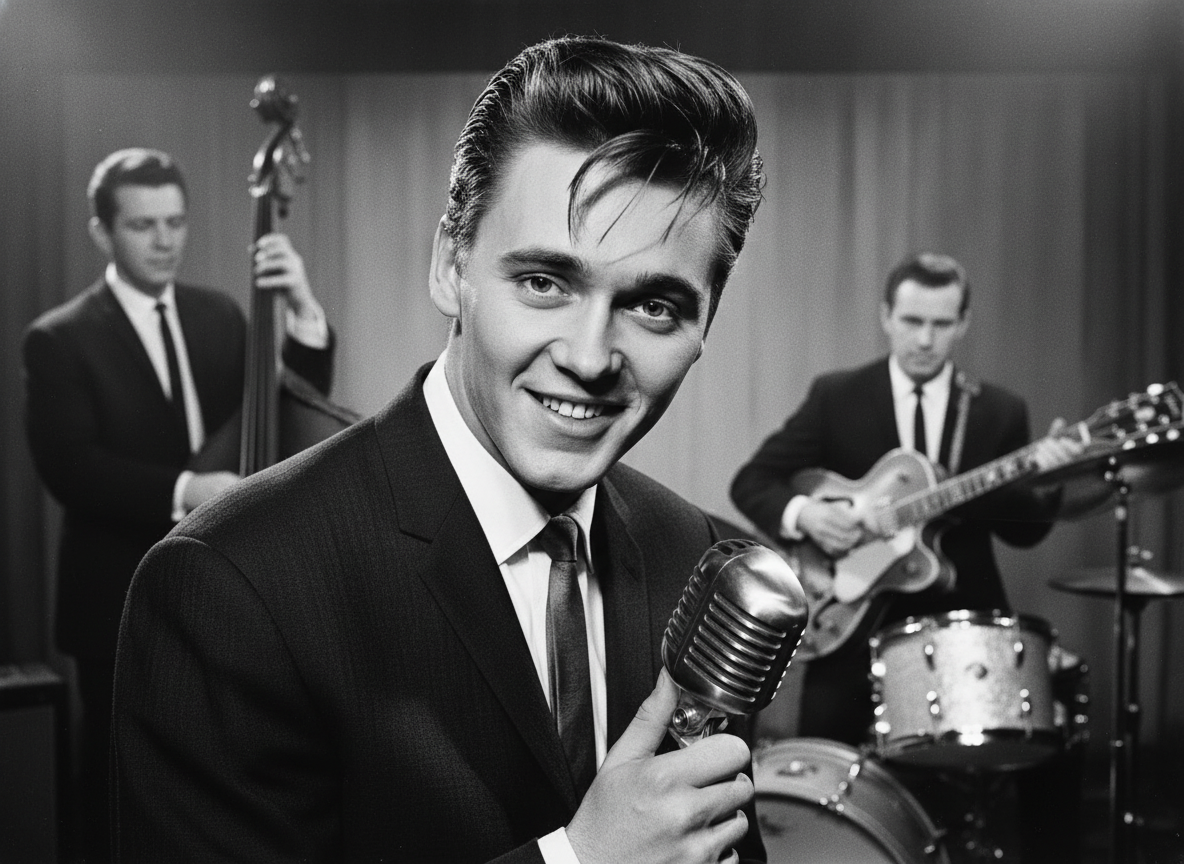
The restoration highlights the inherent tension within Fury’s voice—a duality between the raspy energy of rockabilly and a sophisticated, balladeering soul. This vocal “architecture” is what the new technology preserves, showcasing the power of a man who was frequently a “ticking time bomb” due to chronic heart disease, yet who exerted a mastery over the Top 10 that rivaled the greatest titans of his era. By connecting these restored recordings with live, high-fidelity accompaniment, the production forces a re-evaluation of Fury not as a product of his time, but as an inevitable pioneer of the singer-songwriter movement.
As the multimedia narrative concludes, the audience is left with a lingering, authoritative thought: Billy Fury was not just a face for the posters, but a visionary who understood that true resonance requires both sound and vision to be authentically one’s own. In 2025, as we navigate a landscape of synthesized stardom, his sixty-year-old melodies serve as a reminder that the human element remains the ultimate competitive advantage.