 By admin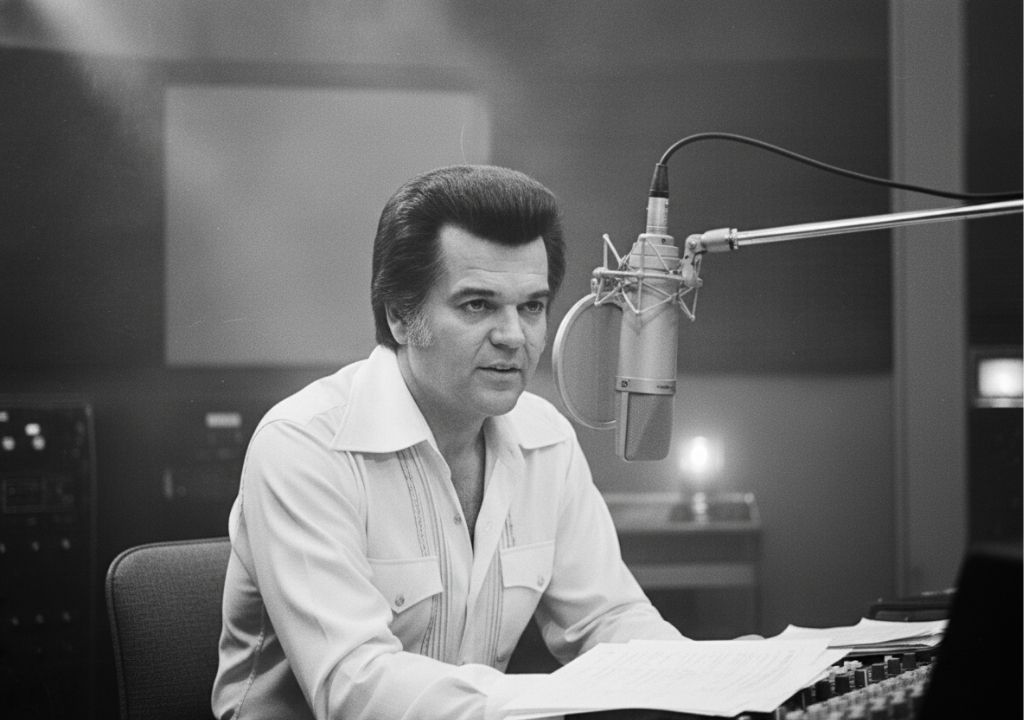
INTRODUCTION
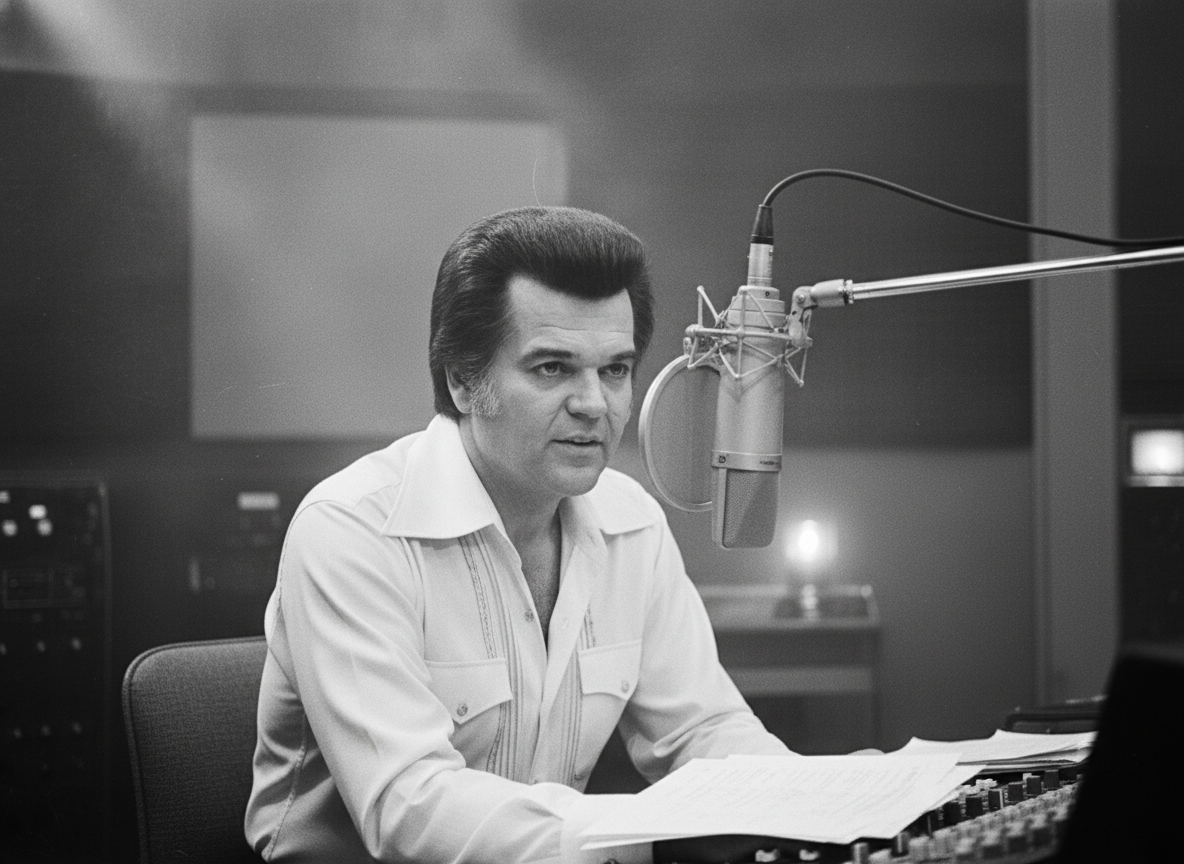
In the amber-lit sanctuary of a Nashville recording booth, Conway Twitty did not merely look at sheet music; he interrogated it. The newly released docuseries Cookin’ Up Lovin’ captures these silent, high-stakes moments where a melody was weighed not against its commercial potential, but against its capacity to puncture the human heart.
THE DETAILED STORY
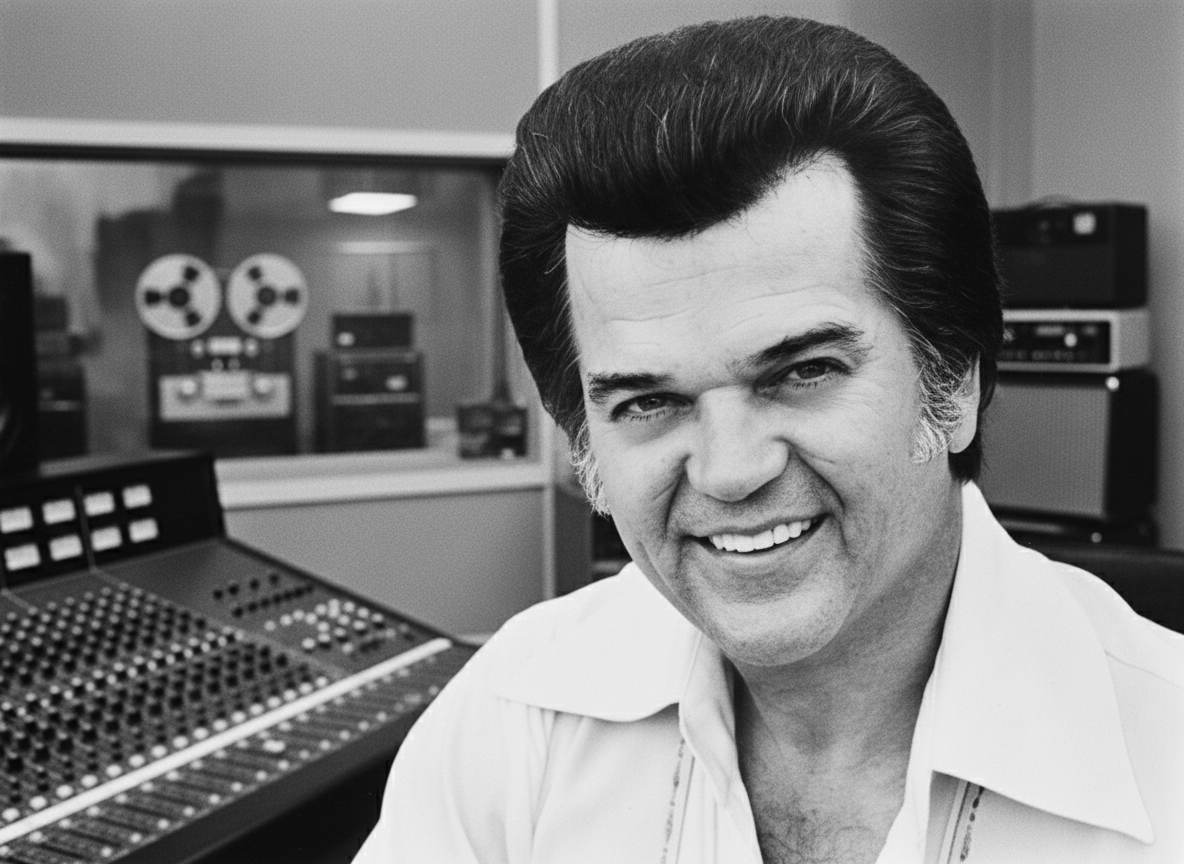
The 2024–2025 release of the Cookin’ Up Lovin’ album and its accompanying docuseries represents a significant shift in how we perceive the legacy of the “High Priest of Country Music.” While historical narratives often focus on his record-breaking statistics, this multimedia project peels back the layers of artifice to reveal a meticulous architectural process of empathy. Through previously unreleased footage, we witness Twitty in the studio, not as a remote star, but as a deliberate curator of emotion. He was known to spend hours agonizing over a single lyric, rejecting technically perfect tracks if they lacked a certain “listener-first” resonance.
This philosophy was not an accident; it was a radical paradigm. Twitty famously asserted, “I don’t sing for myself, I sing for those in love, hurting, and living.” This statement, often quoted but rarely analyzed for its strategic depth, is the primary focus of the series. By positioning himself as a surrogate for the listener’s pain and joy, Twitty bypassed the traditional artist-centric model of stardom. He understood that the song was not a vehicle for his own ego, but a bridge to the private lives of millions. This inherent nuance—his ability to inhabit the interiority of his audience—is what created the legendary “Twitty bond,” a connection particularly profound among his female fans who saw their unvoiced experiences reflected in his baritone.
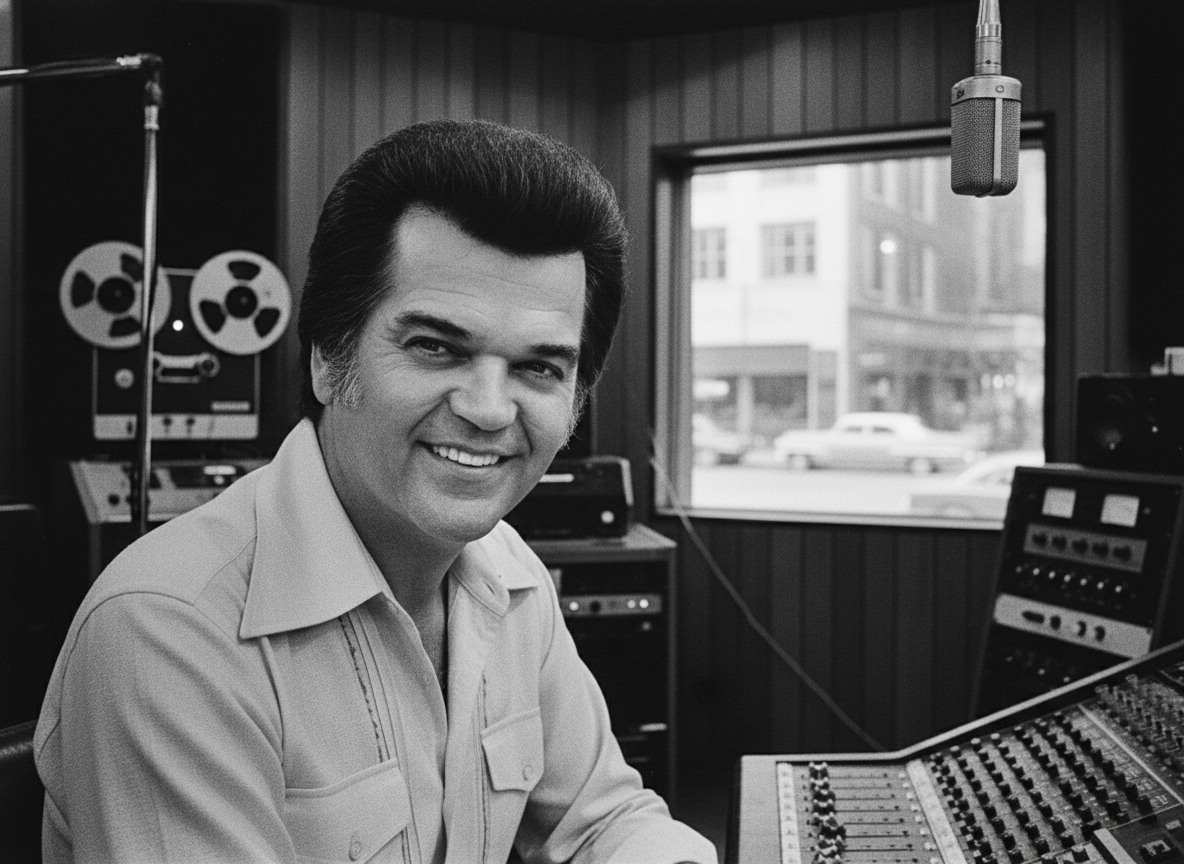
The docuseries meticulously documents how this empathy translated into song selection. Twitty’s “ear” for a hit was actually an ear for a relatable crisis. Whether it was the longing of “Hello Darlin'” or the quiet desperation of a late-night phone call, the songs were chosen because they felt inevitable to the listener. In an era where digital algorithms now attempt to predict human desire, Cookin’ Up Lovin’ serves as a poignant reminder that the most durable connections are forged through the messy, unquantifiable labor of human empathy. As the series navigates his studio process, it reveals a man who was acutely aware of his responsibility to those on the other side of the radio.
Ultimately, the project suggests that Twitty’s enduring power lies in his invisibility within the song. He allowed himself to be the vessel through which others felt seen. As the final episode concludes with his lingering thoughts on the sanctity of the audience-artist contract, the viewer is left with a definitive realization: Conway Twitty was not just a singer; he was an architect of the human heart, building a sanctuary where the broken and the hopeful could find refuge in a three-minute melody.