 By admin

INTRODUCTION
The air in the Reprise Records studio in 1975 was not filled with the typical buoyancy of a burgeoning debut; it was thick with the atmospheric weight of a recent and devastating absence. Following the tragic passing of her mentor and creative north star, Gram Parsons, Emmylou Harris stood before a microphone in Los Angeles, not merely to record an album, but to engineer a vessel for a grief so profound it threatened to dissolve her career before it had truly begun.
THE DETAILED STORY

The late 2025 commemoration of the 50th anniversary of Pieces of the Sky serves as a meticulous forensic examination of a cultural pivot point. Fifty years ago, Harris was a transient folk singer, a hauntingly talented backup vocalist operating in the shadows of the “Cosmic American Music” movement. However, the release of her 1975 masterpiece signaled a paradigm shift that would eventually colonize the landscape of modern Americana. The anniversary celebrations throughout 2025, culminating in a highly sought-after limited-edition vinyl reissue, have forced a re-evaluation of how individual trauma can be transformed into a global sonic blueprint.
The nuance of Harris’s trajectory lies in the song “Boulder to Birmingham.” It remains the definitive narrative of the album—a meticulously crafted eulogy that avoided the sentimental traps of the era. By pairing her crystalline, ethereal soprano with a raw, unvarnished lyrical honesty, Harris didn’t just sing about loss; she mapped the geography of it. In 2025, as younger generations rediscover this track through high-fidelity re-releases, they are encountering a level of emotional density that feels startlingly contemporary in an age of algorithmic artifice. This was the moment Harris ceased being a protégé and became an architect.
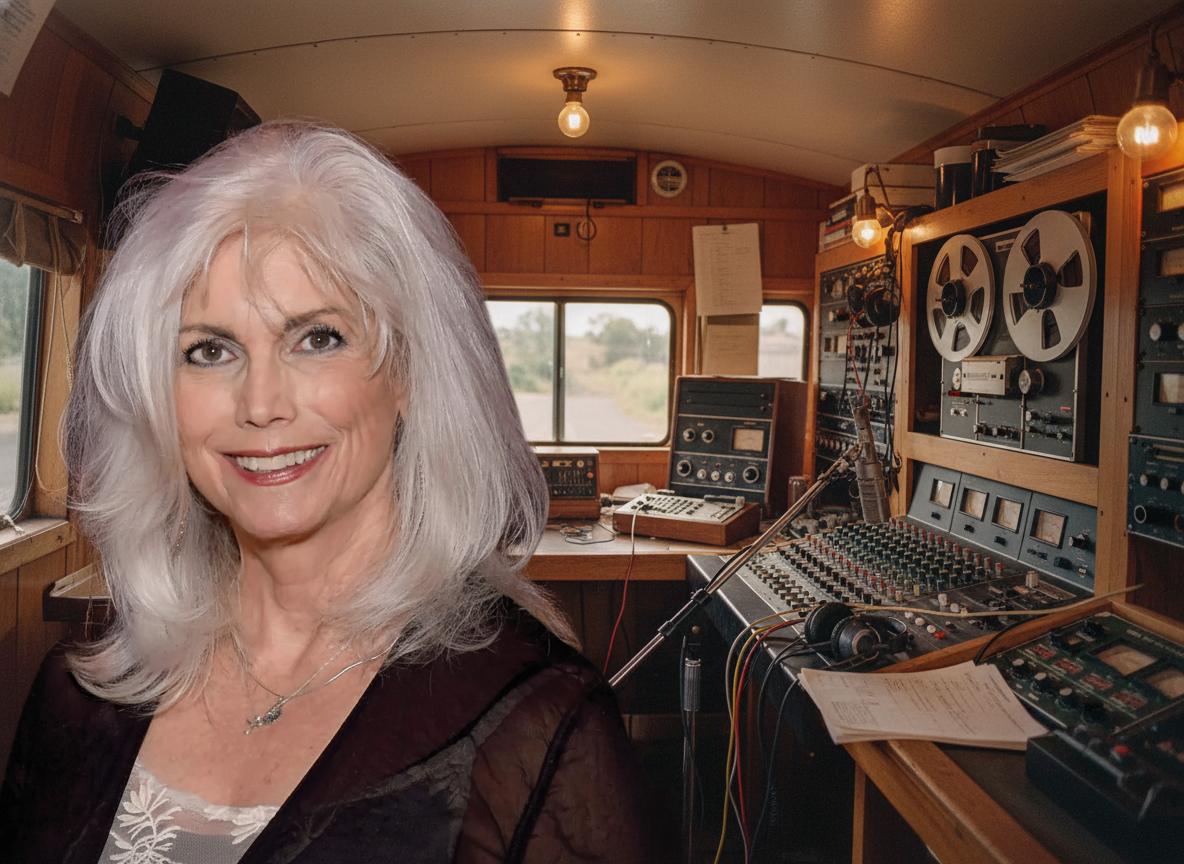
Furthermore, Pieces of the Sky established a sophisticated musical vocabulary that bridged the gap between Nashville traditionalism and the rebellious energy of California country-rock. This synthesis was not an accident but a deliberate, almost obsessive curation by Harris and producer Brian Ahern. They utilized a mobile recording unit—the Enactron Truck—to capture an intimacy that was previously unheard of in country music. This technical meticulousness is what has allowed the album to retain its inevitability. While other 1970s productions feel tethered to their era, Harris’s debut sounds as though it were recorded yesterday, a testament to the timeless nature of her artistic intent.
As the 2025 retrospectives conclude, the lingering thought is one of profound resilience. Harris’s journey from the coffeehouses of Greenwich Village to the global stage was fueled by a necessity to survive the “pieces of the sky” that had fallen around her. She proved that the most durable legacies are built not on the pursuit of stardom, but on the courage to remain vulnerable in the face of total devastation. Fifty years later, the horizon she painted in 1975 remains the gold standard for every artist who dares to pick up a guitar and tell the truth about the human heart.