 By admin
INTRODUCTION
In the autumn of 1958, a young Harold Lloyd Jenkins, operating under the meticulously chosen moniker Conway Twitty, released a record that would fundamentally alter the trajectory of the American soundscape. “It’s Only Make Believe” did not merely climb the charts; it dominated them, reaching the apex of the Billboard Hot 100 and securing a #1 position in the United Kingdom. With its haunting, operatic growl and a rhythmic intensity that rivaled the output of Sun Records, the track established Twitty as a formidable architect of early rock and roll. Yet, as the decades progressed, his unprecedented success in the country music paradigm—amassing over fifty #1 hits—created a curious historical amnesia, relegating his rockabilly foundations to the periphery of the collective memory.
THE DETAILED STORY
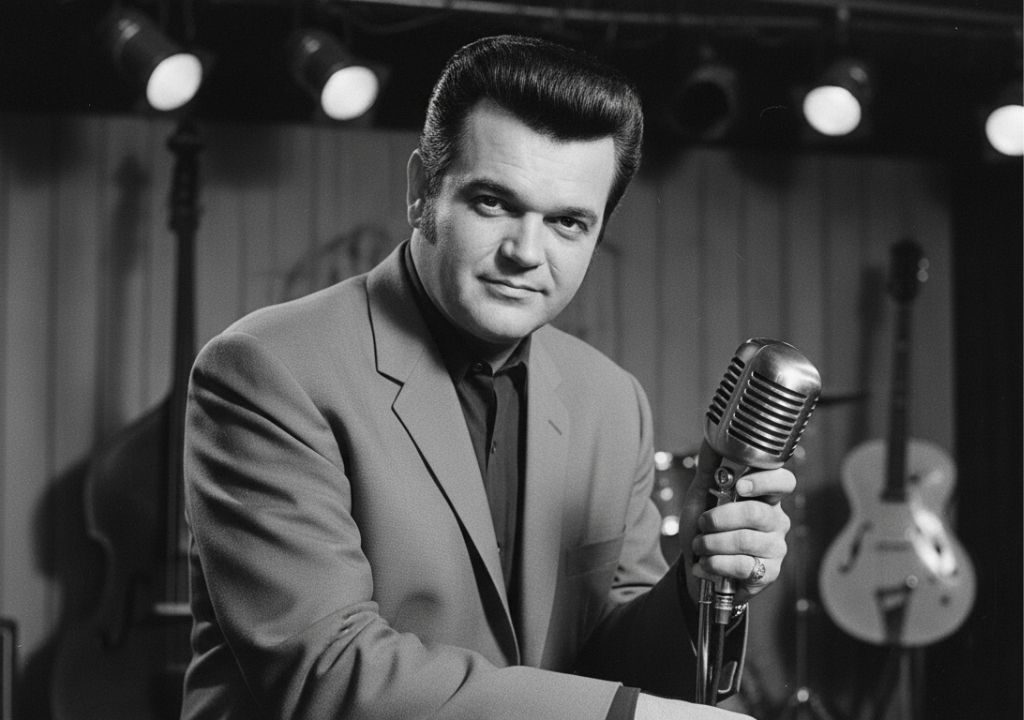
The launch of the “Conway to Rock Hall 2026” campaign in the first week of January represents a sophisticated effort to correct this narrative imbalance. Led by Tre Twitty, the artist’s grandson and a meticulous steward of the family legacy, the initiative seeks to navigate the nuance of Conway’s early career for the Rock & Roll Hall of Fame’s nominating committee. The argument is both factual and inevitable: before he was crowned the “High Priest of Country Music,” Twitty was a fundamental force in the rock and roll explosion. His 1950s output, characterized by a visceral energy and a signature “vocal hiccup” shared by peers like Elvis Presley, served as a blueprint for the crossover success that defined the era.
The tension within this campaign lies in the perceived exclusivity of genre classifications. The Rock & Roll Hall of Fame has historically wrestled with artists who achieved their greatest commercial longevity within the country music industry, often overlooking the rock-infused roots that initially propelled them into the cultural consciousness. Tre Twitty’s advocacy is not merely a request for recognition; it is an intellectual challenge to the gatekeepers of Cleveland to acknowledge that rock and roll is a spirit of performance rather than a static chart position. By utilizing the 2026 induction cycle as a platform, the campaign aims to highlight Twitty’s early influence on the evolution of rockabilly and his role in bridging the gap between Southern tradition and the burgeoning youth culture of the fifties.
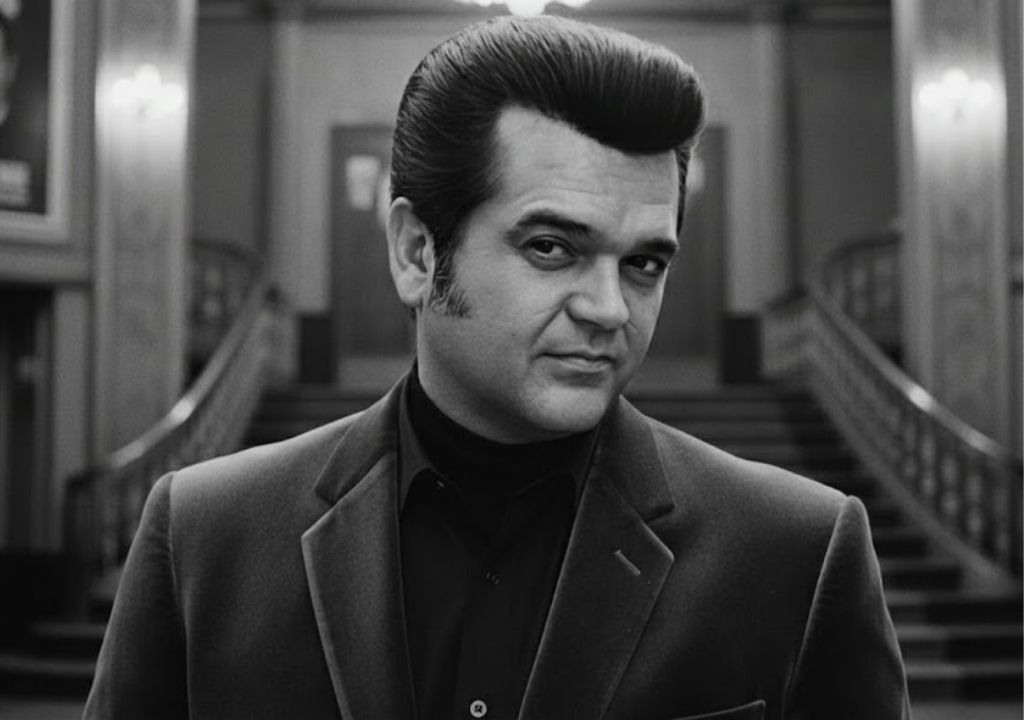
As the campaign gains momentum throughout early 2026, the music industry is forced to reconcile the two halves of a singular legacy. The $800 secondary market tickets for tribute performances and the renewed interest in his MGM-era master tapes suggest that the audience remains captivated by the raw, unvarnished power of his early work. Twitty’s story is a testament to the fact that artistic brilliance is rarely confined by a single label. As the ballots are prepared, the question remains whether the institution will finally embrace the man who proved that rock and roll was never just make-believe.