 By admin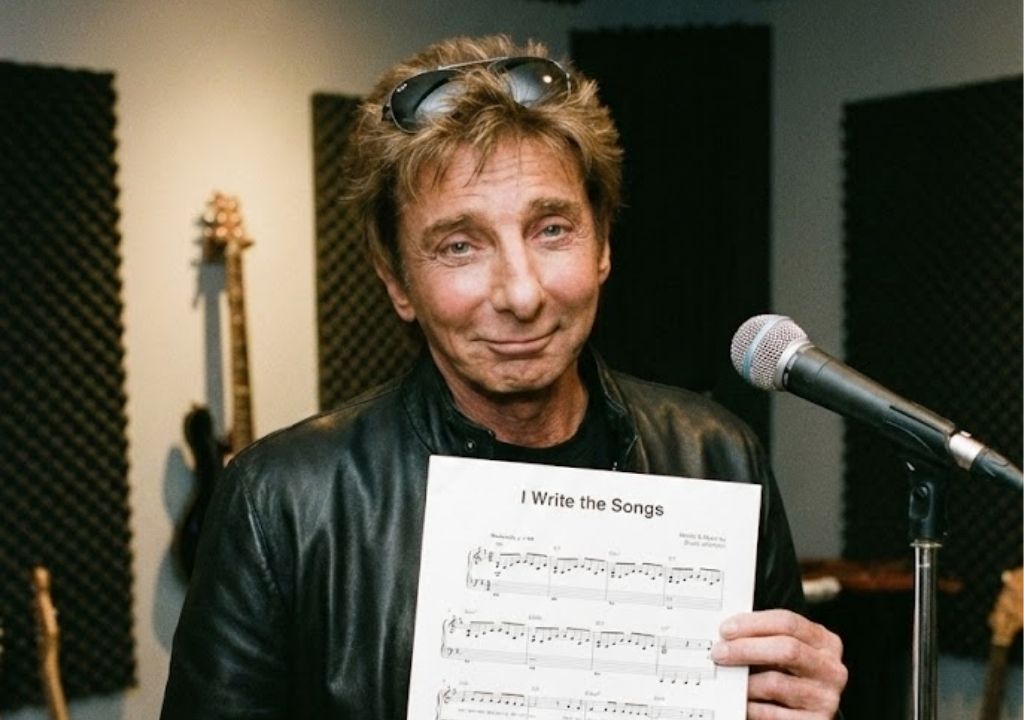
INTRODUCTION
The year was 1975, and a specific brand of creative tension permeated the air at Arista Records as Clive Davis presented a demo to his rising star. The track, a sweeping, grandiloquent composition, bore a title that seemed to encapsulate Barry Manilow’s burgeoning career: “I Write the Songs.” Yet, the sheet music bore the signature of Bruce Johnston, a distinguished member of the Beach Boys. For Manilow, a meticulous musician who took immense pride in his own compositional prowess, the proposition of recording a first-person anthem about the divinity of songwriting that he did not actually write presented a profound professional and intellectual conundrum.
THE DETAILED STORY

The narrative of “I Write the Songs” is frequently cited as the most significant irony in the history of American pop music, yet to view it solely through the lens of a contradiction is to miss the sophisticated nuance of its intent. Bruce Johnston did not conceive the song as an ego-driven boast for a specific vocalist; rather, the “I” in the lyrics represents the transcendental Spirit of Music itself. When Manilow sings, “I’ve been alive forever / And I wrote the very first song,” he is assuming a metaphysical mantle, acting as a vessel for a universal force. Initially, Manilow was hesitant, fearing the public would interpret the track as a hubristic claim of personal authorship. It was only after Davis’s persistent encouragement that he recognized the song’s potential as a definitive statement of his interpretive power.
This distinction between the composer and the performer is where the true brilliance of the 1975 recording lies. Manilow’s arrangement—a complex architecture of builds, swells, and a choral crescendo—transformed Johnston’s original demo into a global cultural phenomenon. On 01/17/1976, the song reached the summit of the Billboard Hot 100, eventually securing the Grammy Award for Song of the Year for Johnston, while Manilow’s performance cemented his status as the preeminent balladeer of his generation. The success of the track established a unique paradigm: a song about the act of creation that relied entirely on the strength of interpretation for its survival.
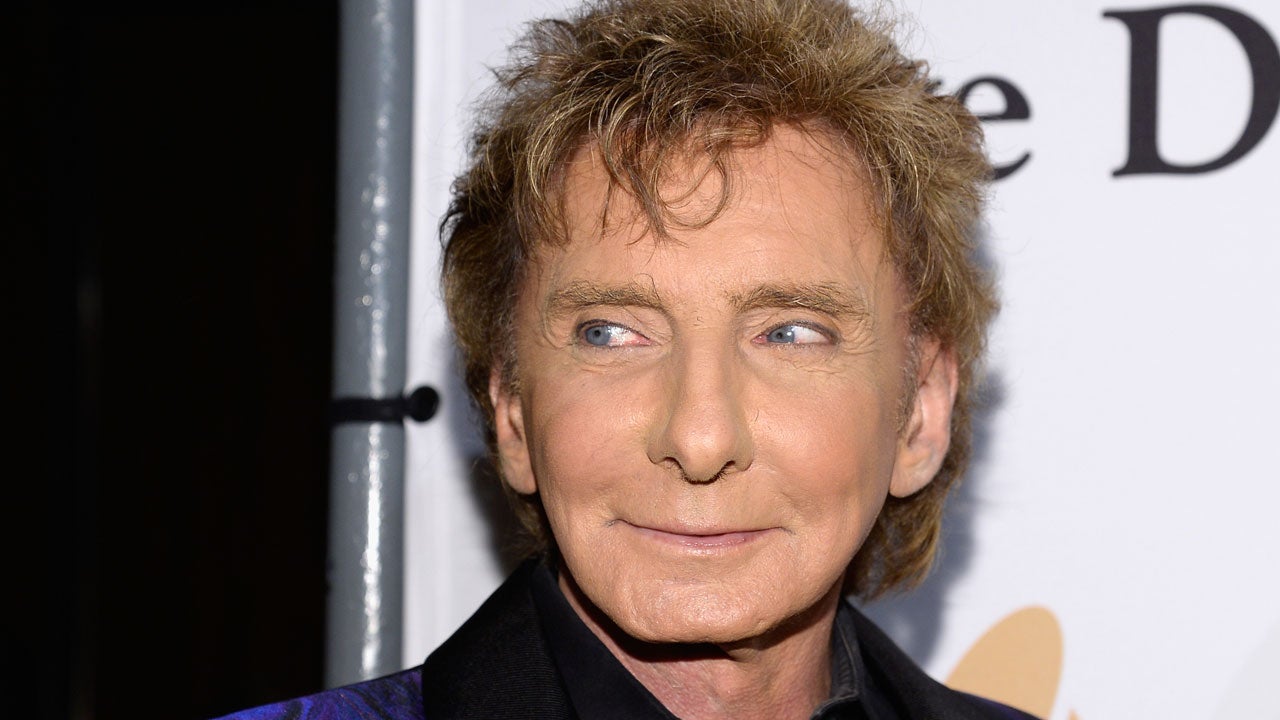
Decades later, as Manilow prepares for his 2026 Las Vegas residency at the Westgate, “I Write the Songs” remains the inevitable centerpiece of his setlist. It serves as a reminder that in the high-stakes world of legacy entertainment, the ownership of a song is not merely a matter of copyright, but of emotional resonance. While the technical authorship belongs to Johnston, the cultural identity of the anthem is inextricably linked to Manilow’s voice. This paradox—that a man famous for a song about writing songs did not write that specific song—is not a mark of inauthenticity, but rather a testament to the collaborative nature of art. It highlights the reality that a masterpiece often requires two architects: one to lay the foundational melody and another to breathe life into the halls.