 By admin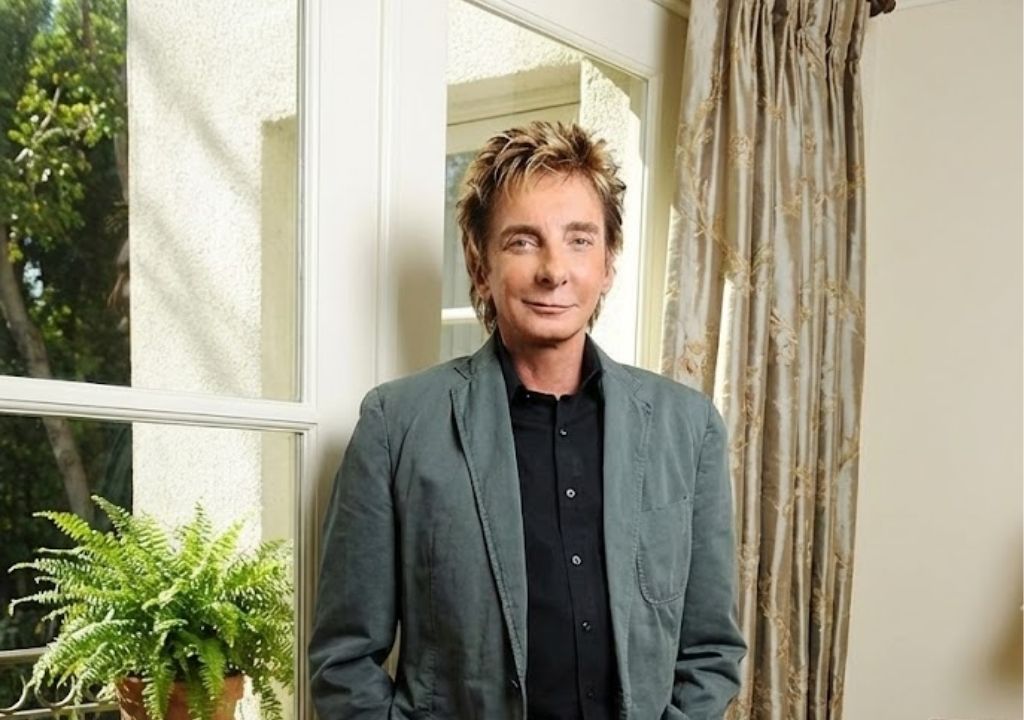
INTRODUCTION
The dichotomy was never more apparent than on a humid evening in 1977, when a critic for a major metropolitan daily sharpened his pen to describe Barry Manilow as the “musical equivalent of a diet soda”—sweet, bubbly, and devoid of nutritional value. Meanwhile, outside the stage door, thousands of “Fanilows” stood in a line that snaked around three city blocks, clutching copies of Even Now and waiting for a glimpse of the man who had articulated their deepest emotions. This 50-year tension between the 85 million records sold and the relentless “sappy” label is not merely a disagreement in taste; it is a sophisticated ideological battle over the very definition of artistic merit in American pop culture.
THE DETAILED STORY

The roots of this critical disdain can be traced to Manilow’s meticulous background as a jingle writer. Before he was a global icon, he was the architect behind the “Like a good neighbor” and “You deserve a break today” anthems. To the high-brow critics of the 1970s—raised on the grit of Dylan and the rebellion of the Rolling Stones—this background suggested a “consumer satisfaction” paradigm rather than a “tortured artist” one. Influential critic Robert Christgau famously described Manilow’s voice as “uncompromisingly inoffensive,” suggesting it lacked the “sex or history” required for true rock-and-roll credibility. The very precision that made his melodies inescapable earworms was weaponized against him as evidence of a lack of soul.
However, the sheer volume of his success created an inevitable shield against his detractors. By the 1980s, Manilow had achieved a level of commercial saturation that rendered critical disapproval irrelevant. He wasn’t just selling records; he was building a community of listeners who felt seen by his unapologetic vulnerability. While critics mocked the “yellow feathers” of “Copacabana” or the grand swells of “Mandy,” his peers in the industry saw something different. Frank Sinatra once pointed to Manilow and declared, “He’s next,” recognizing the technical brilliance of his arrangements and the durability of his classic pop construction. This peer validation served as a vital counter-narrative to the “sentimental” label, suggesting that the “schmaltz” was actually a sophisticated mastery of the human heart.

In the 2026 landscape of his “Last, Last Tour,” the narrative has undergone a significant re-evaluation. Modern critics, looking back at the wreckage of ephemeral digital hits, have begun to appreciate the structural integrity of Manilow’s catalog. The “shes” and “hes” who were once dismissed for liking his music are now recognized as the bedrock of a legacy that has outlasted nearly all the “cool” acts of the same era. Manilow’s resilience in the face of decades of “annihilation”—as he once termed it—proves that while a critic can analyze a song, they cannot measure the connection it forges with a human soul. Ultimately, 85 million sales are not just a statistic; they are a 50-year verdict delivered by the public, proving that in the end, the melody always has the final word.