 By admin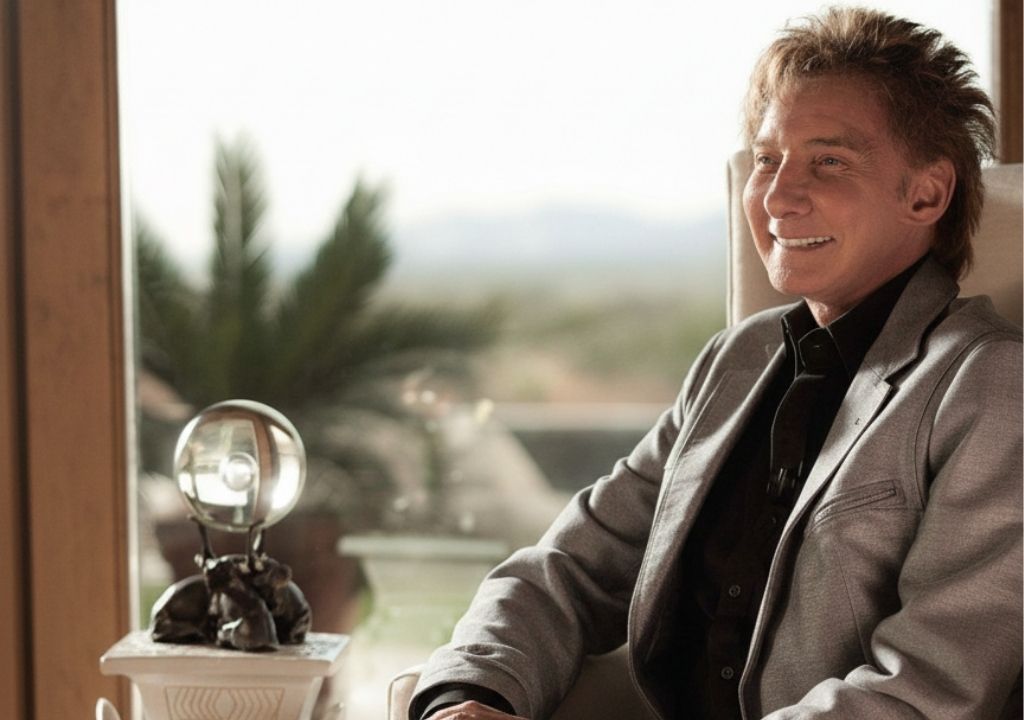
INTRODUCTION
The scent of permanent ink and fresh lacquer filled a private rehearsal suite at the Westgate Las Vegas Resort & Casino on the morning of January 12, 2026. Barry Manilow, moving with a calculated grace that belied his recent pulmonary surgery, leaned over the final of one hundred acoustic guitars. This was not a commercial signing for a high-stakes auction, but a strategic infusion of cultural capital into the Nevada public school system via the Manilow Music Project. Coming just weeks after the successful removal of a stage-one cancerous spot from his lung in late 2025, this initiative serves as a profound coda to a career defined by the meticulous stewardship of the American melodic tradition. As Manilow prepares for the technical rigors of his upcoming “Last, Last Tour” and the historic opening of Manchester’s Co-op Live arena in May, he is increasingly focusing on the narrative architecture of his legacy—one that is built not on gold records, but on the tangible tools of musical education.
THE DETAILED STORY
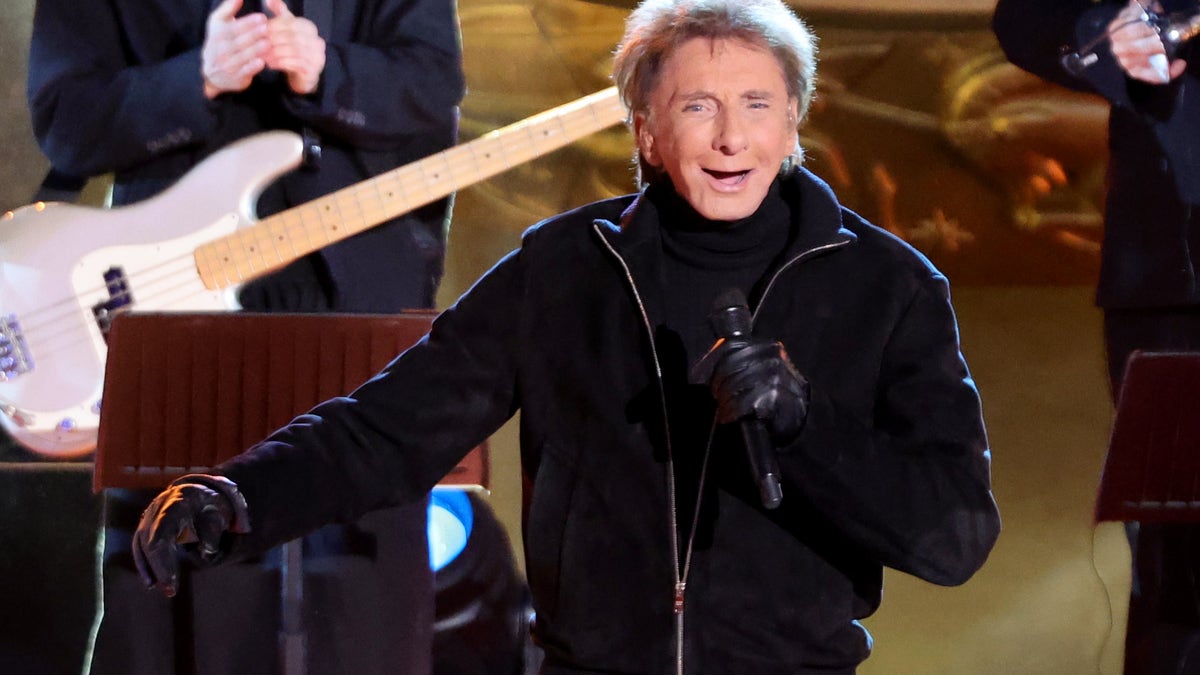
The Manilow Music Project (MMP) was founded decades ago on a singular, human observation: a friend’s daughter was unable to learn the saxophone because her school lacked the basic hardware. Since then, the foundation has donated upwards of $10 million in instruments and scholarships. This latest Nevada-specific drive, which targets underfunded programs from the Clark County School District to the rural corridors of the north, arrives at a critical juncture for both the artist and the educational landscape. In an era where arts funding is often the first casualty of fiscal restructuring, Manilow’s $150,000 USD contribution of hardware and personal signatures represents a defiance against the inevitable thinning of creative resources. For Manilow, the residency at the Westgate—where he famously broke Elvis Presley’s performance record—has provided a stable base of operations to execute these large-scale philanthropic pivots while he rehabilitates his physical stamina for the global stage.
The nuance of this donation lies in the psychological impact of the signature. By personally endorsing each instrument, Manilow is not merely providing a tool; he is establishing a direct, historical link between a multi-award-winning icon and a teenager in a classroom who may be holding a guitar for the first time. This act of mentorship through medium is a recurring theme in Manilow’s 2026 agenda. Whether he is collaborating with modern producers like Kygo or honoring educators through his Music Teacher Awards, the paradigm remains the same: ensure the music does not end when the performer leaves the stage. As the trucks begin their delivery routes across the Silver State, the industry is reminded that the true “farewell” of a legendary artist is found in the voices they enable.

As the 82-year-old showman looks toward his February 27, 2026, tour restart in Tampa, the Nevada guitar project stands as a quiet testament to his durability. It raises a significant implication for the broader entertainment industry regarding the responsibility of the “legacy act.” If a career is measured by its acoustic resonance, then these one hundred guitars are the amplification of a voice that refuses to be silenced by time or illness. In the grand theater of Barry Manilow’s life, the most impactful notes may yet be played by hands he will never personally meet.