 By admin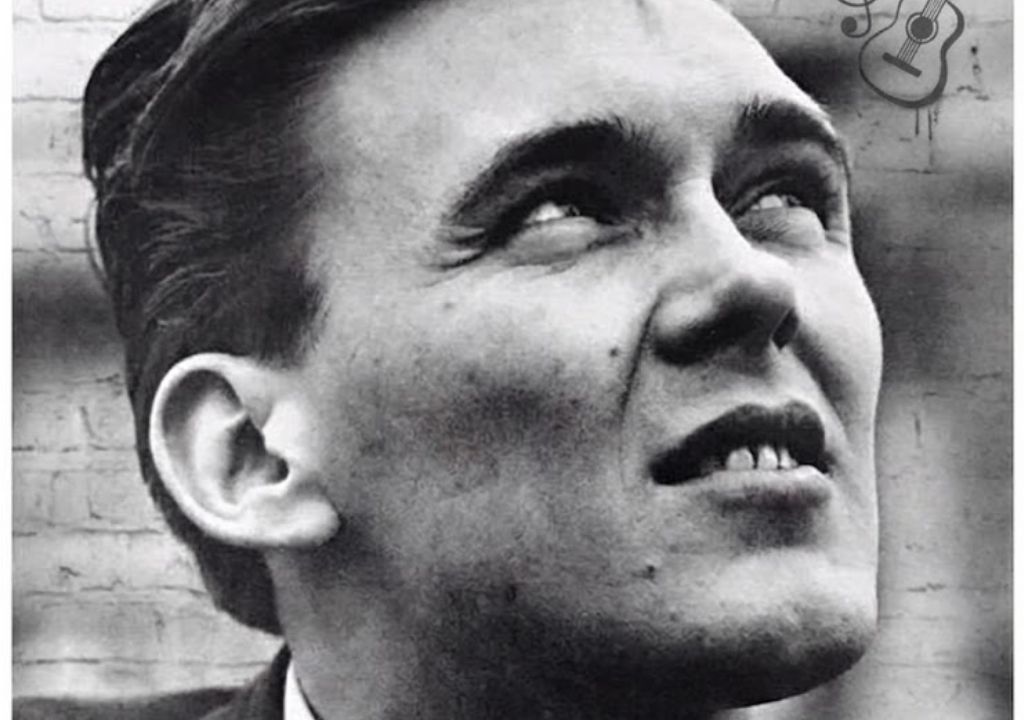
INTRODUCTION
The digital clocks across London read roughly 3:00 AM on January 28, 1983, when Ronald Wycherley—the man the world knew as Billy Fury—stepped out of the cold night and into the deceptive warmth of his apartment. He was exhausted but energized, having just concluded a session for his most ambitious recording project in decades. For a man who had spent much of the previous decade retreating to a farm in Wales to escape the crushing demands of his own celebrity, this return to the city was a meticulous restoration of his artistic identity. However, as the capital slept, the physiological architecture that had supported his meteoric rise was nearing a silent, inevitable failure. The stakes were no longer just chart positions; they were the very survival of the first true icon of British Rock & Roll.
THE DETAILED STORY

The narrative of Billy Fury has always been defined by a profound paradox: the heart that made him the most vulnerable and magnetic performer of his era was also his most significant biological liability. Having contracted rheumatic fever at age seven, Fury lived his entire professional life under a meticulous, unspoken countdown. This fragility was not a hidden defect; it was the foundational element of his allure. Unlike the aggressive bravado of his contemporaries, Fury’s stage presence was a delicate synthesis of raw kinetic energy and an almost ethereal shyness. By January 1983, this tension had reached a terminal equilibrium. On that fateful Friday morning, his manager, Tony Read, entered the St John’s Wood flat to find the 42-year-old singer unconscious—a scene that immediately signaled the end of a comeback that had only just begun.
Despite the rapid intervention of medical staff at St Mary’s Hospital in Paddington, Fury was pronounced dead in the early afternoon. The official cause was heart failure, a conclusion that felt less like a medical diagnosis and more like the final line of a tragic ballad he might have written himself. The industry was left to grapple with the significant implication of his absence; Fury was the man who had equaled the record of 24 hits in a single decade, proving that Liverpool’s musical dominance did not begin with the Beatles, but with his own syncopated rhythms. His body was later laid to rest at Mill Hill Cemetery, leaving a legacy that would be posthumously solidified by the release of The One and Only.

As we approach the July 2026 Billy Fury Weekend in Liverpool, the legacy of that January day continues to resonate with a sophisticated weight. It reminds us that in the world of high-authority journalism and musical history, the most enduring stories are those of human resilience against inevitable odds. Fury did not just leave behind a catalog of hits; he left a blueprint for the “vulnerable star,” a paradigm that continues to influence the narrative architecture of modern pop. While the machinery of the 1980s music industry moved on, the echo of that final recording session remains an immovable anchor in the history of the Mersey Sound, proving that true talent is never lost in the transition from stage to memory.