 By admin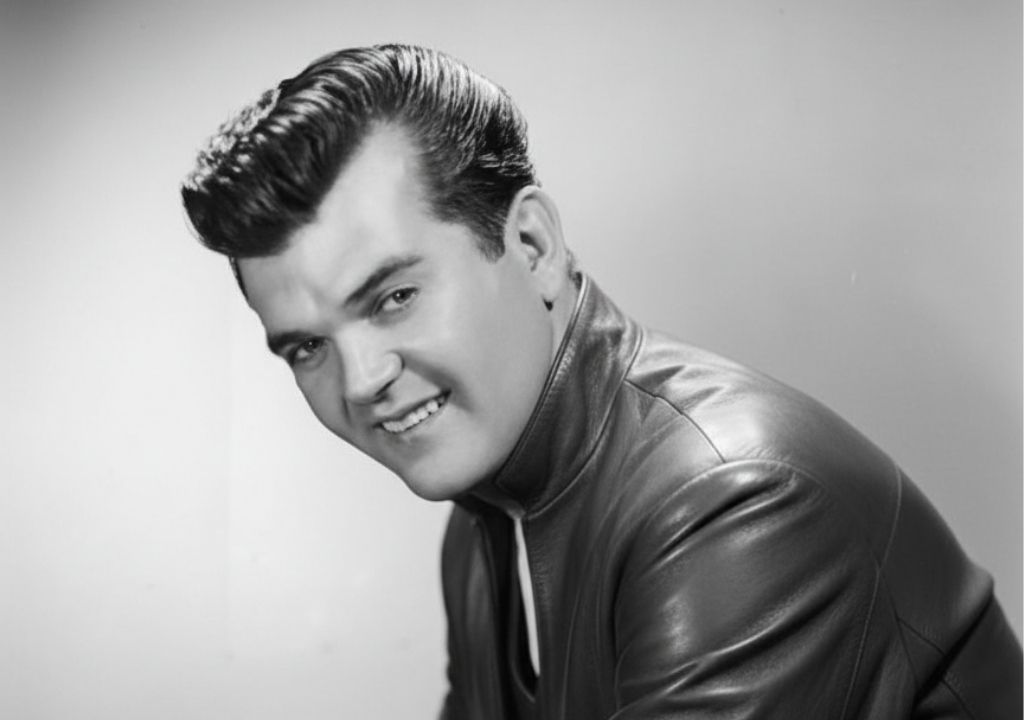
INTRODUCTION
The wrought-iron gates of Twitty City did more than just welcome nine million visitors; they acted as a gilded perimeter for a family whose very nomenclature was a construct of the music industry. While the world knew Harold Lloyd Jenkins as the velvet-voiced Conway Twitty, his four children—Michael, Joni Lee, Kathy, and Jimmy—lived in a residential ecosystem where their father’s stage name functioned as both a primary employer and a psychological boundary. In the 1980s, the Hendersonville estate featured four custom homes for the adult children, ensuring they were physically and professionally tethered to the “Twitty” brand, a paradigm that offered immense luxury but exacted a profound toll on their individual autonomy.
THE DETAILED STORY

The struggle for a distinct identity became a recurring motif in the lives of the Jenkins children, often manifesting in the adoption of curious aliases. Kathy Twitty, attempting to carve a path in country music, initially released records under the pseudonym Jessica James, a transparent effort to decouple her artistry from her father’s overwhelming shadow. Similarly, Michael Twitty navigated the industry as Charlie Tango, a maneuver that spoke to a deeper, more pervasive desire to be judged on merit rather than pedigree. Despite these efforts, the gravity of the Twitty name remained inescapable; the industry and the public rarely allowed them to exist outside the context of their father’s 55 number-one hits.
Michael Jenkins would later reflect on the duality of his upbringing, noting that while the public viewed his life with envy, the reality was a meticulously “curated” existence. The children were not merely heirs; they were employees of Conway Twitty Enterprises, performing duties that ranged from leading tours to managing the massive gift shop. This professional entanglement created a unique form of domestic pressure where personal failures were seen as potential liabilities to the family brand. The name “Twitty” was a billion-dollar engine, but it was also a heavy coat that never quite fit the people required to wear it.
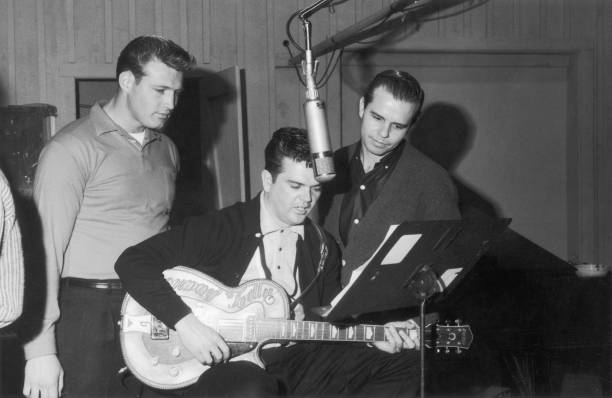
The fragility of this arrangement was brutally exposed following Conway’s sudden death in 1993. Because the elder Jenkins had failed to update his will after his third marriage, a decade-long legal war erupted between his widow, Delores “Dee” Henry, and his biological children. The legal battle eventually forced the auction of Twitty City and the very artifacts of their childhood. In a final, bitter irony, the children were forced to pool their resources to “buy back” their own heritage, paying over $4 million for the intellectual property of a name they had spent years trying to reconcile. This cycle of acquisition and loss serves as a meticulous case study in the burden of the famous surname—a reminder that in the high-stakes world of country royalty, the crown often feels more like a cage.