 By admin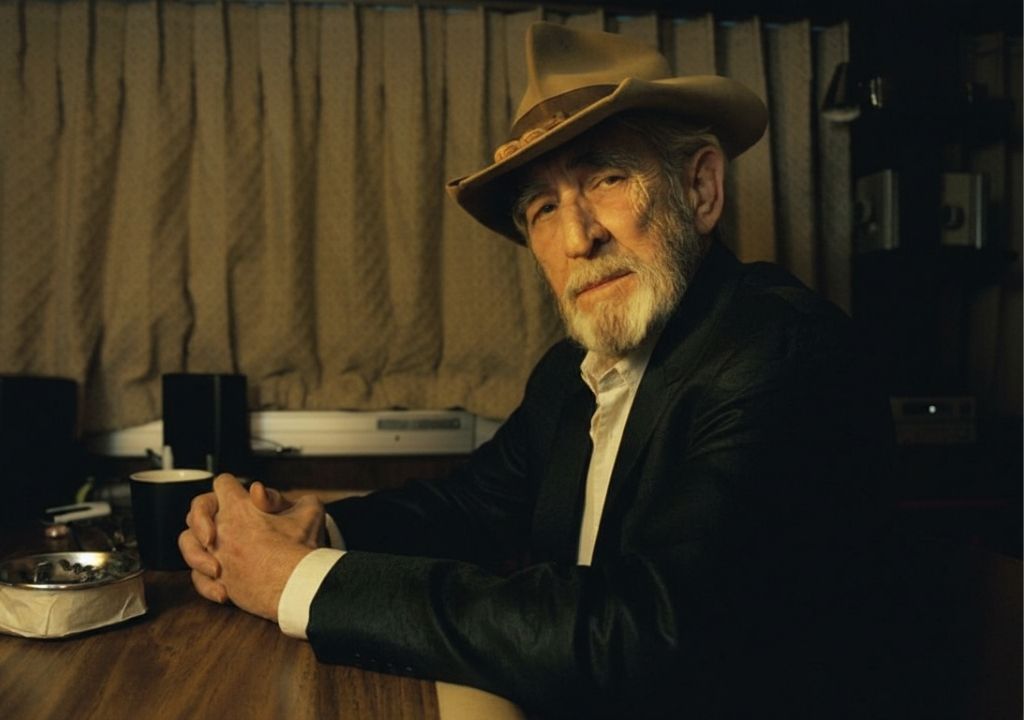
INTRODUCTION
The humid air of a 1975 Nashville morning carried the scent of diesel and dust as the cameras rolled for W.W. and the Dixie Dancekings. Standing amongst Hollywood heavyweights like Burt Reynolds, a towering, soft-spoken Texan named Don Williams was handed a Stetson that looked as though it had already lived a thousand lives. It was not a prop of prestige, but a functional garment—distressed, seasoned, and entirely unpretentious. For Williams, who was then transitioning from the folk-pop harmonies of the Pozo-Seco Singers into the solitary path of a country soloist, that hat represented a definitive anchor. In an industry defined by the shimmer of rhinestones and the relentless pursuit of the “new,” this specific, battered Stetson became a declaration of permanent identity.
THE DETAILED STORY

The “Gentle Giant” of country music did not merely wear the hat; he inhabited it. Throughout a career that yielded 17 number-one hits and a 2010 induction into the Country Music Hall of Fame, the hat remained a static element in a volatile world. The paradox lies in its condition: while contemporaries like George Strait opted for the crisp, pristine lines of a fresh Resistol, Williams leaned into the fray. The brim, often described as “weathered” or “broken-in,” was not a stylistic affectation but a reflection of his internal philosophy. Williams famously valued privacy and simplicity, once remarking in a 2012 interview that there was simply “too much talking in the world.” The hat served as a silent barrier—a piece of his private sanctuary that he carried onto the public stage.
The lore of the hat deepened when the original was stolen during a tour, only to be recovered and returned to him, reinforcing the idea that the object possessed a certain destiny. Eventually, Stetson was commissioned to replicate the specific “Dixie Dancekings” mold, yet Williams treated the replacement with the same lack of preciousness. This refusal to remove or replace the headwear, even in formal settings, was not an act of rebellion but one of meticulous consistency. He understood that his audience sought the “Gentle Giant” for stability and truth; to change the hat would be to suggest that the man beneath it was also subject to the whims of fashion.

By the time Williams announced his final retirement in 2016, the Stetson had become a relic of a vanishing era of craftsmanship. It stood as a testament to the fact that power in performance does not require volume or vanity. His baritone voice, as steady and warm as the felt of his crown, needed no embellishment. The frayed brim was a badge of authenticity, a physical manifestation of a career built on the belief that a song—and a man—only needs to stay true to itself to endure. In the silence he left behind, the image of that weathered Stetson remains an authoritative symbol of a life lived with quiet, unwavering integrity.