 By admin
INTRODUCTION
The air in the Van Lear coal district possesses a metallic bite—a lingering residue of a century spent extracting the earth’s riches at a profound human cost. To the uninitiated, the geography of Butcher Hollow, Kentucky, appears as a sequence of impenetrable ridges and isolated valleys, but for Loretta Lynn, this topography was the primary architect of her identity. Born into a two-room cabin during the height of the Great Depression, her existence was defined by a scarcity of material wealth and a surplus of ancestral resilience. The stakes were not merely financial; they were existential, forged in the claustrophobic darkness of the mines where her father, Melvin Webb, traded his breath for the security of his eight children.
THE DETAILED STORY
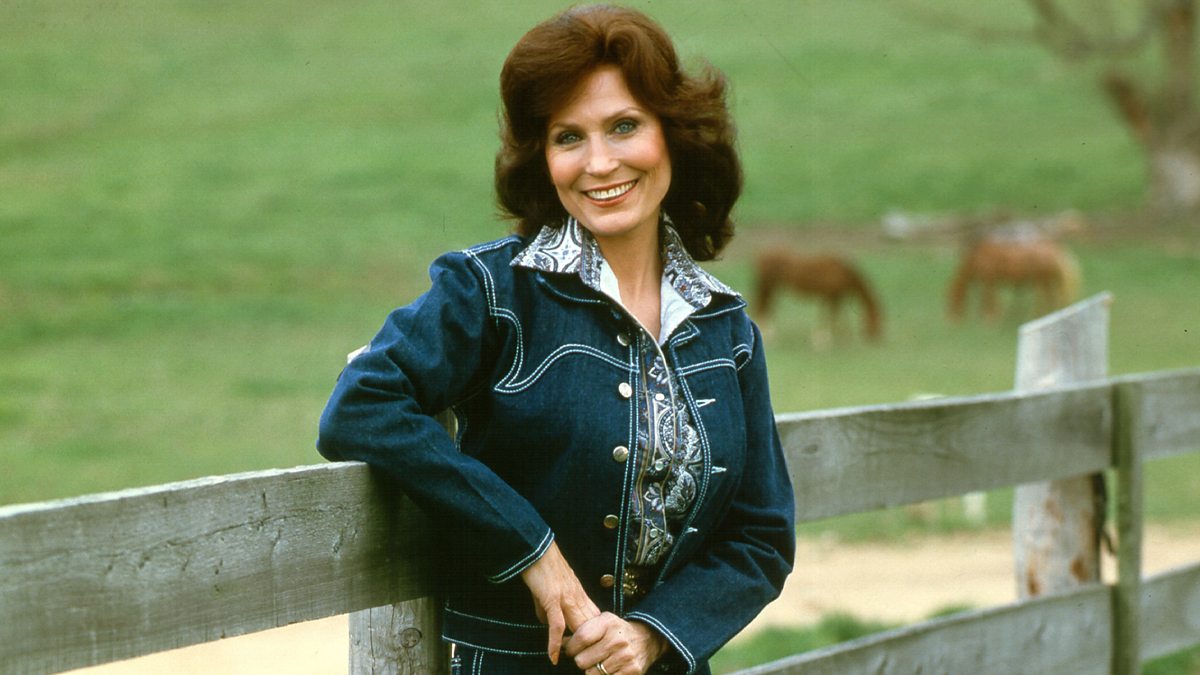
The narrative of the “Coal Miner’s Daughter” is often framed as a simple rags-to-riches odyssey, yet a closer examination reveals a more sophisticated cultural paradigm. Butcher Hollow functioned as a private ecosystem, one where the absence of modern infrastructure—no running water, no electricity, and the nearest town miles away—necessitated a radical self-reliance. This was the crucible that refined Lynn’s songwriting. While the Nashville establishment of the 1960s favored polished, suburban themes, Lynn’s output remained rooted in the raw, unvarnished truth of the hollow. She didn’t just sing about poverty; she documented the meticulous dignity required to navigate it, turning “washday bleach” and “the sound of the floorboards” into high-stakes poetry.
This commitment to factual integrity created a psychological bridge between the rural working class and the global stage. By the time Lynn became a $100,000,000 industry unto herself, she had effectively transformed Butcher Hollow from a forgotten dot on a map into a sacred site of American heritage. The paradox of her success lies in the fact that her ascent never required her to shed her origins; rather, her origins became her most valuable asset. The meticulous detail in her lyrics—the specific mention of the Sears-Roebuck catalog or the reality of a “tired mother”—served as an anthropological record of a vanishing way of life.

Ultimately, the story of Butcher Hollow is a testament to the power of place in the formation of genius. Lynn’s legacy suggests that the most enduring art is not created in a vacuum, but is instead pulled, much like the coal from the Van Lear mines, from the deepest, most difficult layers of human experience. As we reflect on her journey in 2026, the question remains whether our modern, hyper-connected world still possesses the quiet, isolated crucibles necessary to produce an artist of such singular, unyielding authenticity. The hollow remains silent, yet its echo continues to dictate the cadence of the American songbook.