 By admin

Introduction
The Dual Life of a Legend: Billy Fury’s Journey from Abbey Road to the Peace of Rhos Farm
Billy Fury stands as one of the most successful British rock and roll artists of all time, boasting 11 Top 10 hits during his legendary tenure with Decca Records. However, the later chapters of his life—marked by a move to the Beatles’ label, a passion for the natural world, and a brave battle with ill health—offer a more intimate look at the man behind the superstar persona.
The Parlophone Years and Abbey Road In December 1966, Fury transitioned from Decca to Parlophone. While this five-year period was professionally challenging and lacked the chart-topping success of his earlier years, it remains a point of fascination for historians. Though recording details from this era are somewhat “sketchy,” it is highly probable that Fury recorded several tracks at the world-renowned Abbey Road Studios. While no albums were released during his contract, the material eventually surfaced years later in collections like The Lost Album, proving that his vocal prowess never wavered.
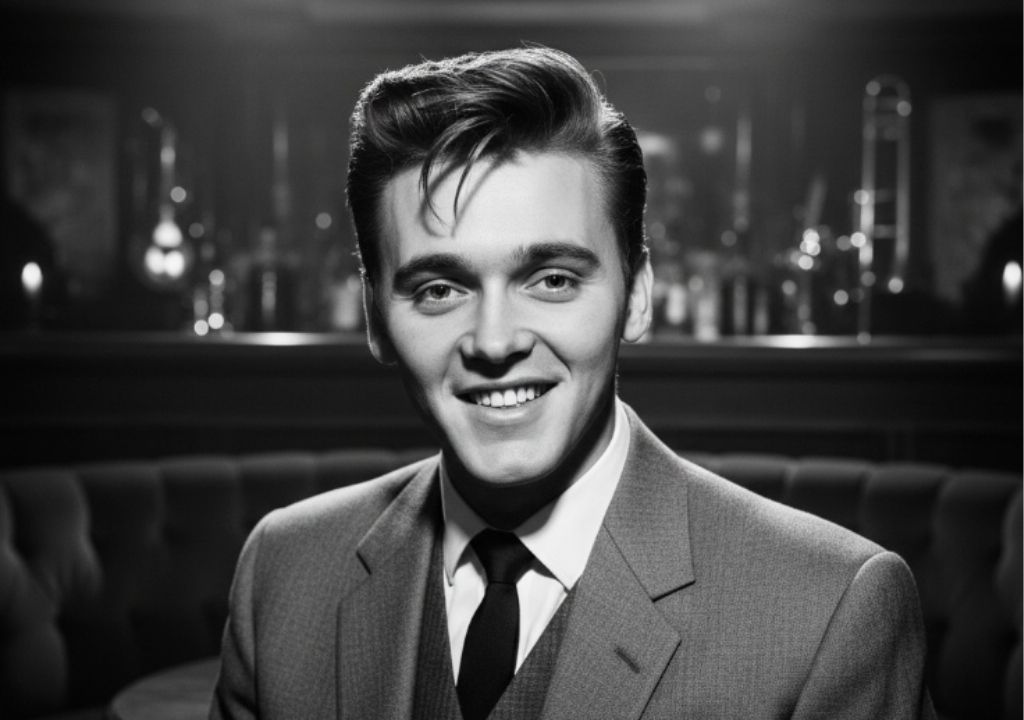
A Life Divided: London and Wales Following a major heart bypass operation in 1971 and a memorable “scene-stealing” cameo as Stormy Tempest in the film That’ll Be The Day, Fury sought a quieter existence. In the mid-1970s, alongside his partner Lisa Rosen, he purchased two very different homes. One was a stately residence at 1 Cavendish Avenue, London, located just steps away from Abbey Road. The other was Rhos Farm in Crugybar, West Wales.
It was at Rhos Farm that the “star” Billy Fury stepped aside for Ronald Wycherley—the shy, introverted birdwatcher. Fury spent his days nursing injured animals back to health and indulging in his deep passion for wildlife, a stark contrast to the wild, charismatic performer who once famously brought the house down in Dublin.
The Final Act and Legacy The early 1980s saw a brief but poignant comeback. Despite being snowed in at his Welsh farm during the harsh winter of 1981, Fury returned to the studio to record tracks like “Love or Money,” which became his first charting single since 1966. Tragically, this resurgence was cut short. On January 28, 1983, after a recording session the previous evening, Fury was found unconscious and passed away at the age of 42.
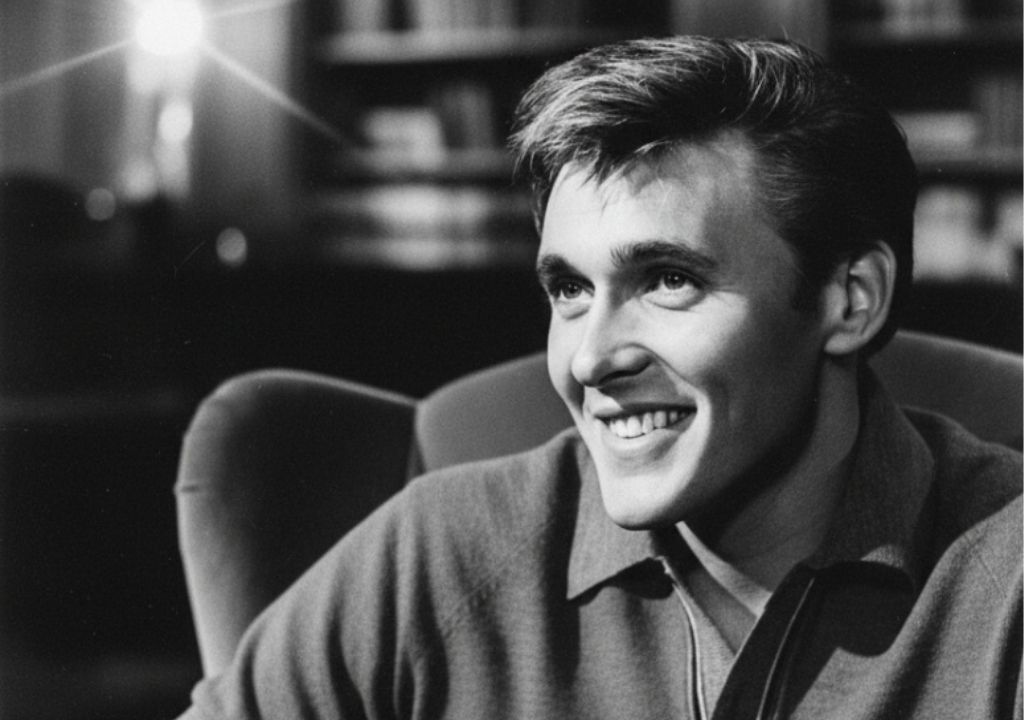
His funeral at St. John’s Wood Church was attended by a sea of devastated fans. Today, he rests at Mill Hill Cemetery in North London. His headstone poignantly bears both names: Ronald Wycherley and Billy Fury, honoring both the gentle man who loved animals and the legendary performer whose music gave pleasure to millions. From a dedicated lectern in Liverpool Cathedral to a bronze statue at the nation’s heart, the legacy of the “charismatic songwriter and gentle man” continues to endure.