 By admin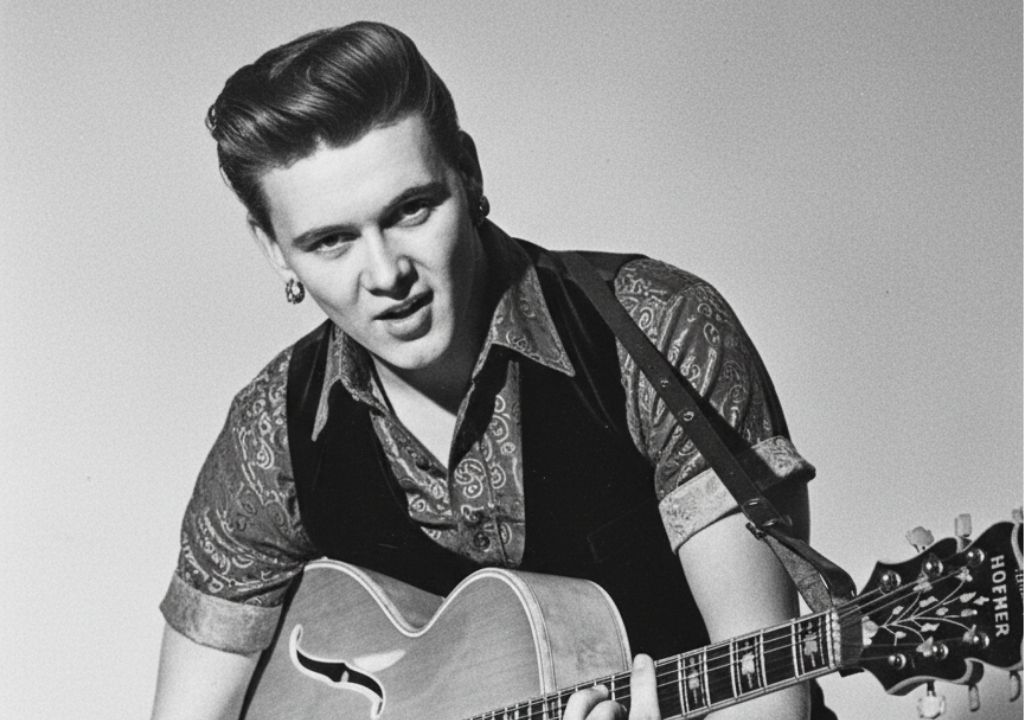
INTRODUCTION
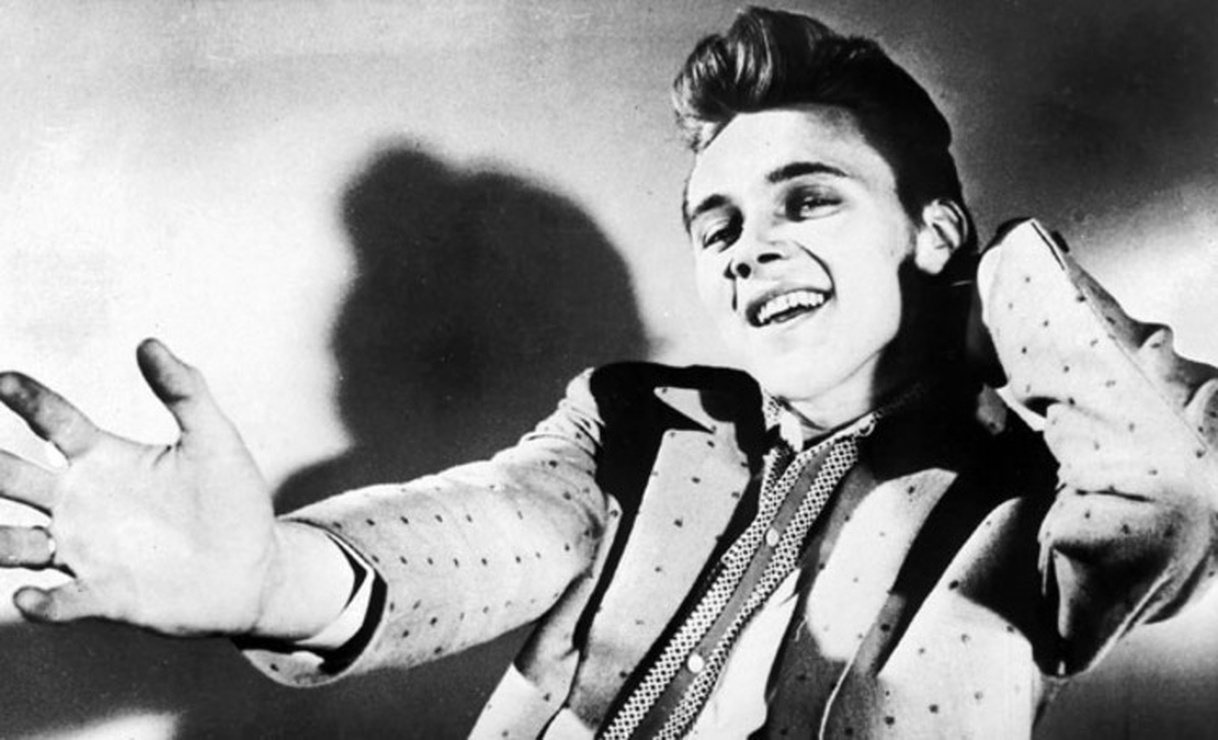
The velvet curtains of the 1960s British variety circuit acted as a metaphysical boundary for Ronald Wycherley. Behind them stood a man of profound stillness, a quiet soul who suffered from the lingering frailty of childhood rheumatic fever and felt most at home in the silent company of the Merseyside docks. However, the moment he crossed that threshold into the spotlight, a startling transfiguration occurred. The shy, soft-spoken Scouser vanished, replaced by a performer of such visceral, hip-swiveling magnetism that he was frequently censored by television cameras for being too provocative for the domestic gaze.
THE DETAILED STORY
This psychological schism was the engine of Billy Fury’s greatness. Unlike his contemporaries who donned stage personas like costumes, Wycherley’s “Billy Fury” was an organic eruption of suppressed emotion. His wildness was not a rehearsed gimmick; it was the outlet for a man who found the standard social interactions of fame suffocating. On stage, he channeled a raw, animalistic vitality that mirrored the American rockabilly pioneers, yet he infused it with a uniquely British sense of melancholy. This juxtaposition—the “gentle rebel”—created a paradigm shift in how masculinity was performed in the United Kingdom, blending vulnerability with an undeniable sexual authority.

The meticulous management of Larry Parnes ensured that the public rarely saw the “Ronald” side of the equation. Parnes understood that the mystery lay in the contrast. While Wycherley was a songwriter of nuanced sensitivity, Fury was a vessel for the teenage zeitgeist’s restlessness. This internal tug-of-war was most evident during the recording of his landmark sessions, where he would transition from a timid whisper in the booth to a soaring, authoritative growl in a single take. He was a man living two lives simultaneously: one defined by the fragility of his physical heart, and the other by the robust, immortal “Fury” that lived in the grooves of his records.
As his career progressed, the distance between these two identities became a source of significant creative tension. He was a pioneer of the “singer-songwriter” identity long before it became an industry standard, insisting on recording his own moody, blues-inflected compositions that captured his inner solitude. Yet, the industry demanded the wild icon. He remained a solitary figure in the chaotic landscape of the British Invasion, a man who possessed the world’s stage but preferred the sanctuary of the shadows. One is left to ponder: was the “wild” Billy Fury a liberation of Wycherley’s true spirit, or was it a beautiful, exhausting performance that the man simply could not sustain?