 By admin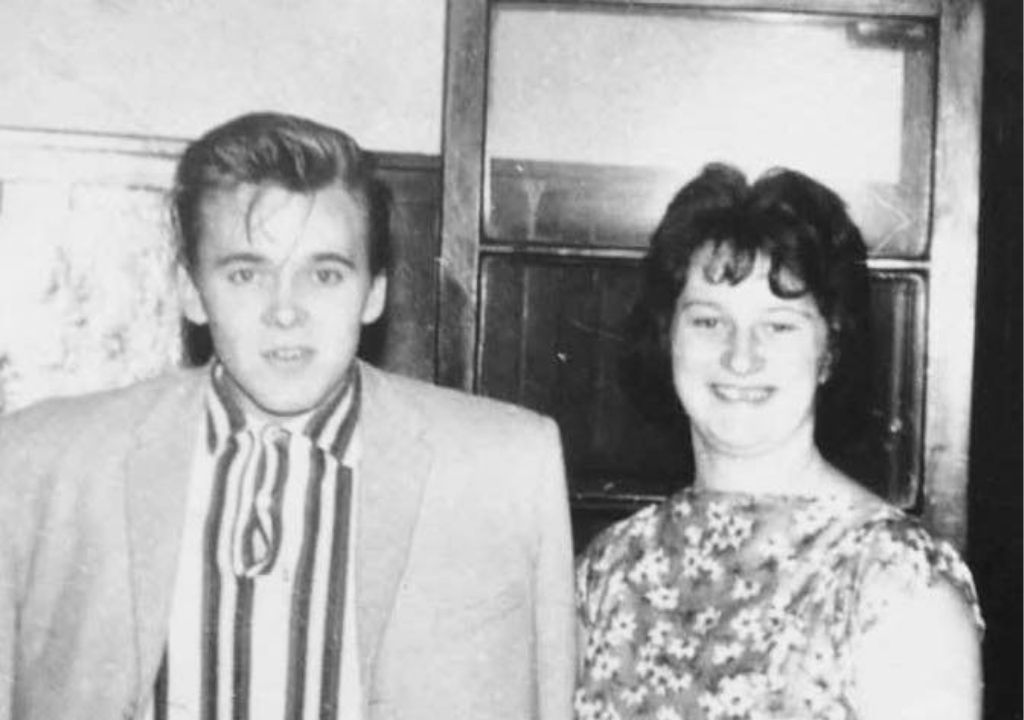

INTRODUCTION
The dichotomy of Billy Fury remains one of the most compelling studies of identity in the history of British performance. To the screaming throngs at the Royal Albert Hall, he was a shimmering, gold-suited icon of animalistic magnetism, a man whose suggestive movements once prompted a direct intervention from television producers to “tone down” his act. Yet, once the house lights faded and the stage door closed, the persona of Billy Fury dissolved instantly into the quiet, fragile reality of Ronald Wycherley. This was a man who preferred the company of horses and the silence of the countryside to the deafening roar of the industry that had claimed him as its premier idol.
THE DETAILED STORY
This internal fracture was not merely a theatrical artifice; it was a psychological survival mechanism. Ronald Wycherley was a man of profound gentleness, shaped by a childhood plagued by rheumatic fever that left him with a permanently weakened heart and a haunting awareness of his own mortality. This physical vulnerability stood in stark defiance of the “Billy Fury” brand—a moniker designed by manager Larry Parnes to evoke a tempestuous, aggressive masculinity. The friction between the name and the man created a unique stage presence characterized by a “wounded” quality; he did not just perform rock and roll, he channeled a sense of yearning that resonated with a generation searching for emotional depth behind the pompadour.
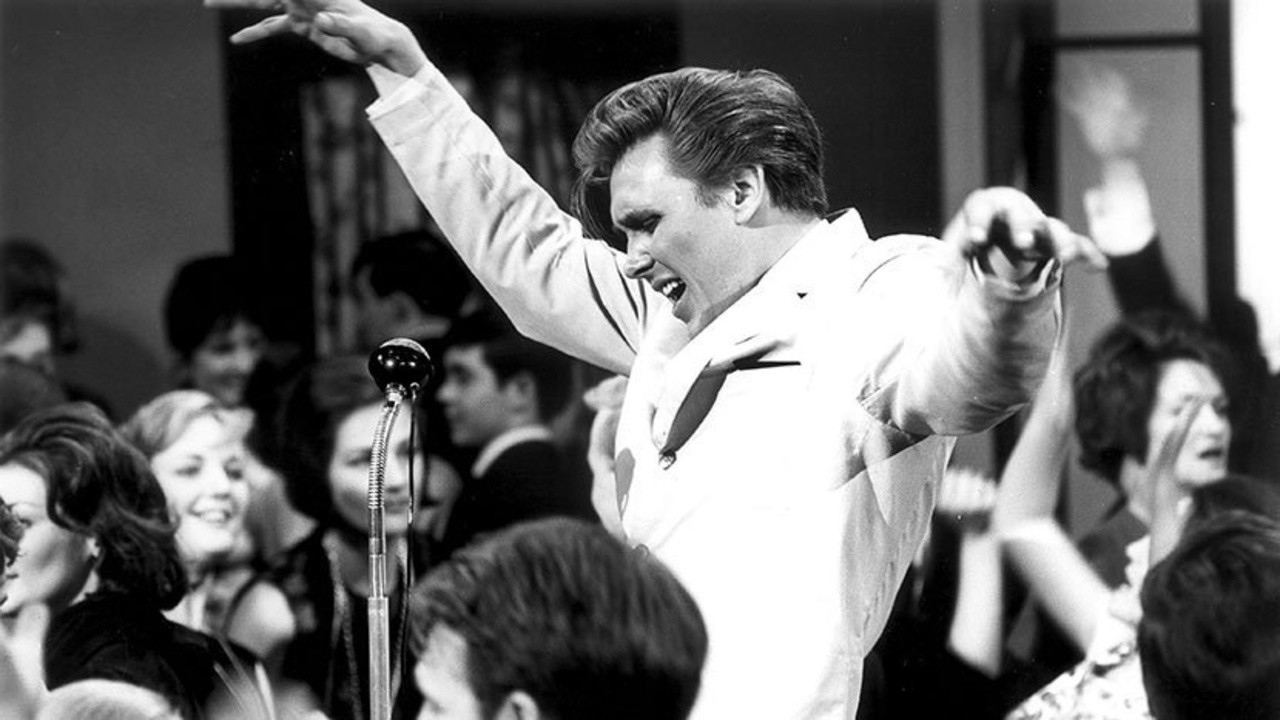
The sophistication of his dual identity manifested in his creative output. While his contemporaries focused on the bravado of the genre, Fury’s best work possessed a meticulous, almost melancholic sensitivity. Onstage, he utilized his tall, lean frame to project a brooding power, yet his private life was spent in a state of pastoral retreat. He famously purchased a farm in Wales, seeking sanctuary from the “Fury” mythos among the animals and the elements. This was no eccentric whim, but an essential recalibration for a man who viewed his fame as a temporary, albeit necessary, intrusion upon his true self.
Ultimately, the narrative of Billy Fury is a poignant exploration of the cost of the public gaze. He navigated the inevitable tension between the commercial requirement for a “wild” superstar and the inherent shyness of a Liverpool dockworker’s son. This tension reached its zenith during his live performances, where the sheer intensity of his “Billy” persona often physically exhausted the “Ronald” within. By maintaining this separation, he preserved a core of authentic humanity that many of his peers lost to the machine of celebrity. He remains the definitive example of the performer as a reluctant vessel, a man who gave the world his fire while keeping his light for himself.