 By admin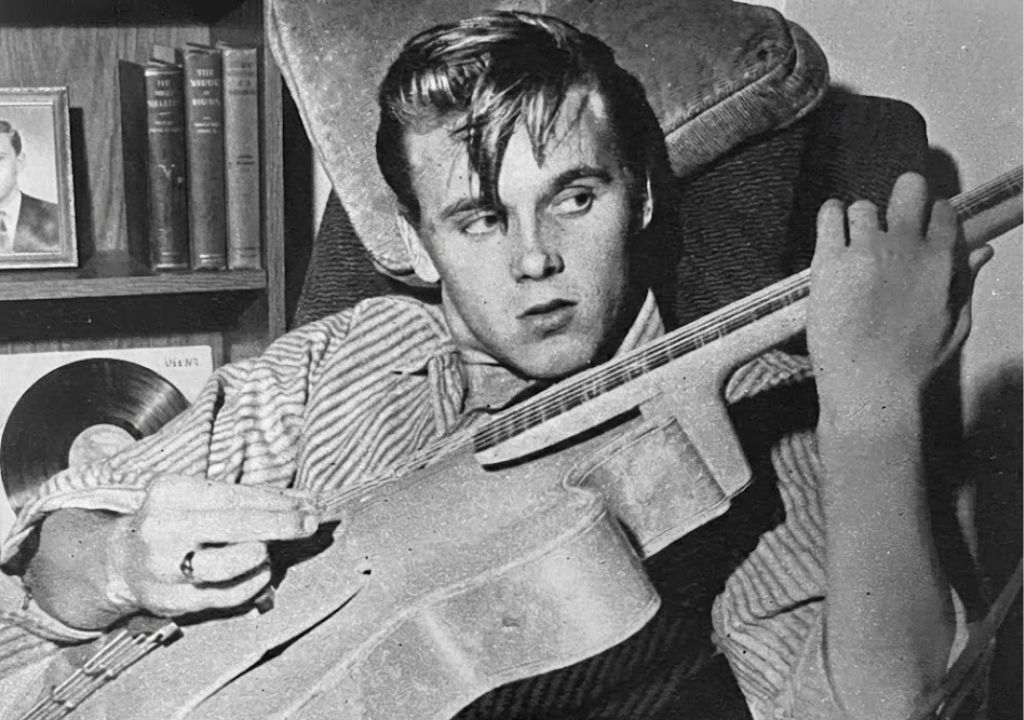

INTRODUCTION
In the soot-stained atmosphere of 1954 Liverpool, a fourteen-year-old boy named Ronald Wycherley sat within the confines of a modest home, his lungs frequently struggling against the lingering shadows of childhood rheumatic fever. The acquisition of a simple acoustic guitar, purchased by his parents for approximately $20.00, did not merely provide a temporary distraction; it offered a vital lifeline to a child whose physical limitations seemed to preclude a future in the demanding manual labor of the Mersey docks. This instrument was the catalyst for a transformation that would eventually challenge the dominance of American rock and roll icons on the British charts.
THE DETAILED STORY
The narrative of British popular music often prioritizes the explosive arrival of the Merseybeat era, yet the structural foundation was laid by solitary, introspective figures like Wycherley. This initial instrument became the vessel for a profound metamorphosis. While his peers pursued conventional apprenticeships in the industrial heart of the United Kingdom, Ronald retreated into a world of melody, teaching himself the nuanced chords and rhythmic patterns that would eventually underpin hits such as “Halfway to Paradise.” This period of relative isolation was not a retreat from reality but a meticulous preparation for a paradigm shift in the entertainment industry.

The transition from the shy, soft-spoken Ronald Wycherley to the stage-commanding Billy Fury was neither instantaneous nor inevitable. It required a specific alchemy of latent talent and serendipitous timing. By the time he transitioned to working as a deckhand on the Mersey tugboats, the musical seeds had already germinated within his compositions. His historic encounter with the shrewd impresario Larry Parnes in 10/01/1958 at the Birkenhead Essoldo remains a definitive cornerstone of music history. Wycherley had arrived with the humble intention of selling his original songs to established acts, yet Parnes recognized an untapped, brooding magnetism in the young man. Within minutes, the deckhand was renamed Billy Fury and thrust onto the stage, his performance possessing a raw energy that belied his fragile cardiac health.
This profound paradox—a performer whose heart was physically weakened by illness yet artistically resonant enough to captivate a generation—defined his professional legacy. The guitar served as the primary tool in this architectural feat of self-reinvention, allowing him to channel his innate vulnerability into a revolutionary new archetype: the sensitive yet dangerous rock and roller. Even as the industry evolved toward the experimental sounds of the late 1960s, Fury’s dedication to the meticulous craft of the ballad remained steadfast. The modest investment made by his parents in 1954 yielded a cultural dividend that remains unquantifiable, proving that the most enduring legacies often begin with a single, quiet chord.