 By admin

INTRODUCTION
The stage is set with a vintage 1960s microphone stand, bathed in a pool of amber light that feels less like a modern theater production and more like a meticulously preserved time capsule. For the audience gathered to witness the “Halfway To Paradise” show, the air carries a palpable sense of anticipation that transcends simple nostalgia. This is no longer merely a tribute act; it is the debut of a sophisticated digital intervention. As the first chords of the 1961 hit ring out, the silhouette of a man who has been gone for over four decades appears with a clarity that defies the natural erosion of time.
THE DETAILED STORY
Billy Fury was always a figure defined by a singular, delicate contradiction: a shy, sensitive soul from Liverpool who possessed a stage presence so magnetic it rivaled the American titans of rock and roll. Unlike many of his contemporaries who faded into the background of the British Invasion, Fury’s legacy remained anchored in a specific, soulful authenticity. Now, that legacy undergoes a paradigm shift as the “Halfway To Paradise” production integrates a digital duet between the seasoned performer Colin Gold and a high-definition restoration of Fury himself. This technological feat is not merely about visual projection; it is about the meticulous synchronization of live instrumentation with archival vocal tracks, a process that requires an exacting level of technical precision to ensure the rhythm of the past aligns with the heartbeat of the present.
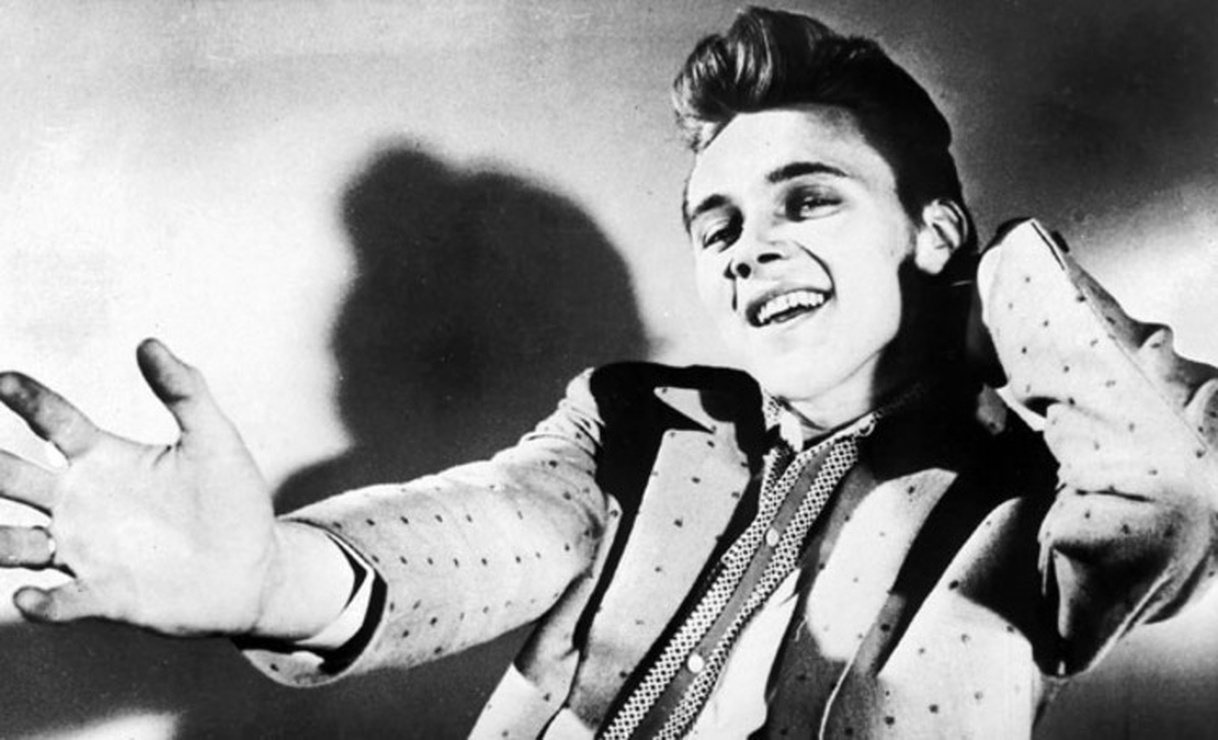
The production, which features Fury’s original backing band, The Tornados, serves as a bridge between the analog warmth of the mid-century and the cold, sharp capabilities of modern optics. By utilizing restored footage from the 1960s, the show avoids the often-criticized “uncanny valley” of fully CGI holograms, opting instead for a curated reality that honors the artist’s physical likeness. This choice reflects a broader movement within the entertainment industry—seen in larger-scale residencies in cities like Las Vegas—where the digital afterlife of an artist becomes a permanent fixture of the cultural landscape. It raises a nuanced question about the nature of performance: does the presence of a digital avatar diminish the sanctity of a live event, or does it offer a necessary evolution for a generation that never had the opportunity to witness the original?
The financial and logistical investment in such technology is significant, often reaching into the hundreds of thousands of dollars to ensure the projection interacts naturally with the stage lighting and the live musicians. For the estate of Billy Fury and the organizers of the tour, the goal is to create an immersive environment where the audience can suspend their disbelief, even if only for the duration of a three-minute ballad. As Colin Gold stands shoulder-to-shoulder with the luminous flicker of a 21-year-old Fury, the spectacle becomes a meditation on the inevitability of change and the human refusal to let a great voice fall silent. The show concludes not with a final curtain, but with the haunting realization that in the digital age, a legend’s “final” performance is a concept that may no longer exist.