 By admin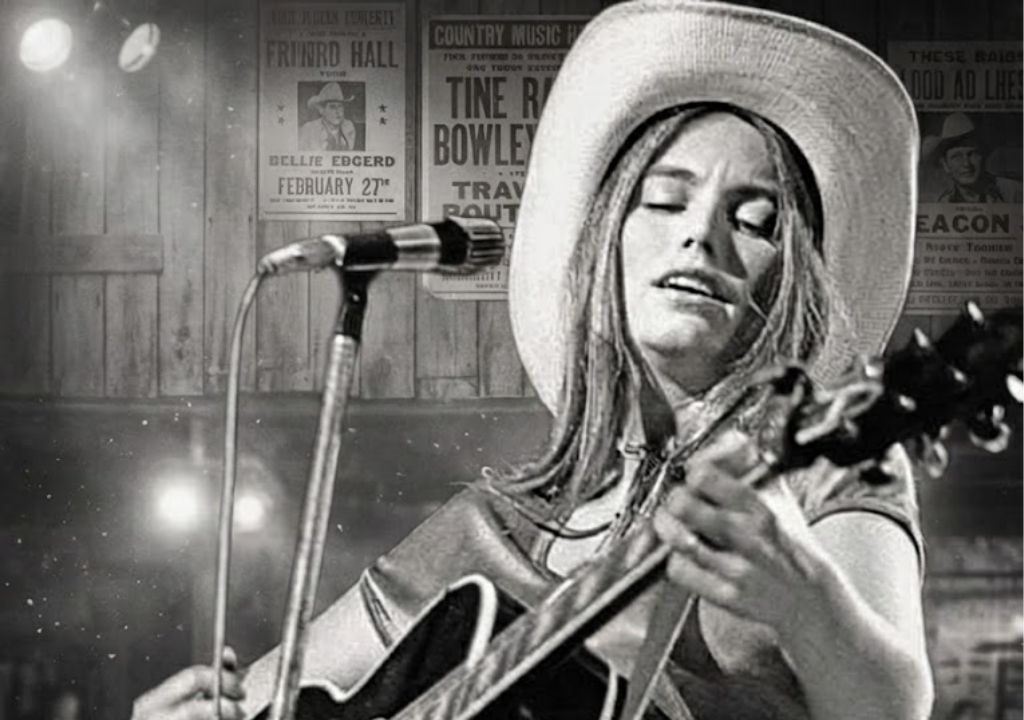

INTRODUCTION
The atmosphere inside the Nashville sessions for the 1995 album Wrecking Ball was one of deliberate, atmospheric tension. Producer Daniel Lanois had stripped away the polished veneer of traditional country music, replacing it with a sonic landscape that was reverb-drenched, haunting, and profoundly intimate. In the center of this metamorphosis stood Emmylou Harris, an artist seeking a new vernacular for her second act. The catalyst for this transformation arrived in the form of a demo tape from Steve Earle, a man who was then in the fragile, early stages of reclaiming his life from the wreckage of a decade-long struggle with heroin addiction. The song was “Goodbye,” a composition so stark and unvarnished that it functioned less like a ballad and more like a spiritual confession.
THE DETAILED STORY
Written while Earle was navigating the rigorous clarity of a treatment facility, “Goodbye” represents a pinnacle of structural economy in songwriting. Every line is a meticulous exercise in accountability, avoiding the sentimentality that often plagues “recovery” narratives. When the track reached Harris, she recognized it as the emotional cornerstone of her project. The collaboration between the two—Earle’s raw, wounded lyricism and Harris’s ethereal, crystalline delivery—created a paradigm shift in the Americana genre. It was not merely a stylistic choice but a public reconciliation with the past. For Earle, the song was a gift of profound vulnerability; for Harris, it was the vehicle that allowed her to transition from a legendary interpreter of the past to a pioneer of a new, darker, and more sophisticated sound.
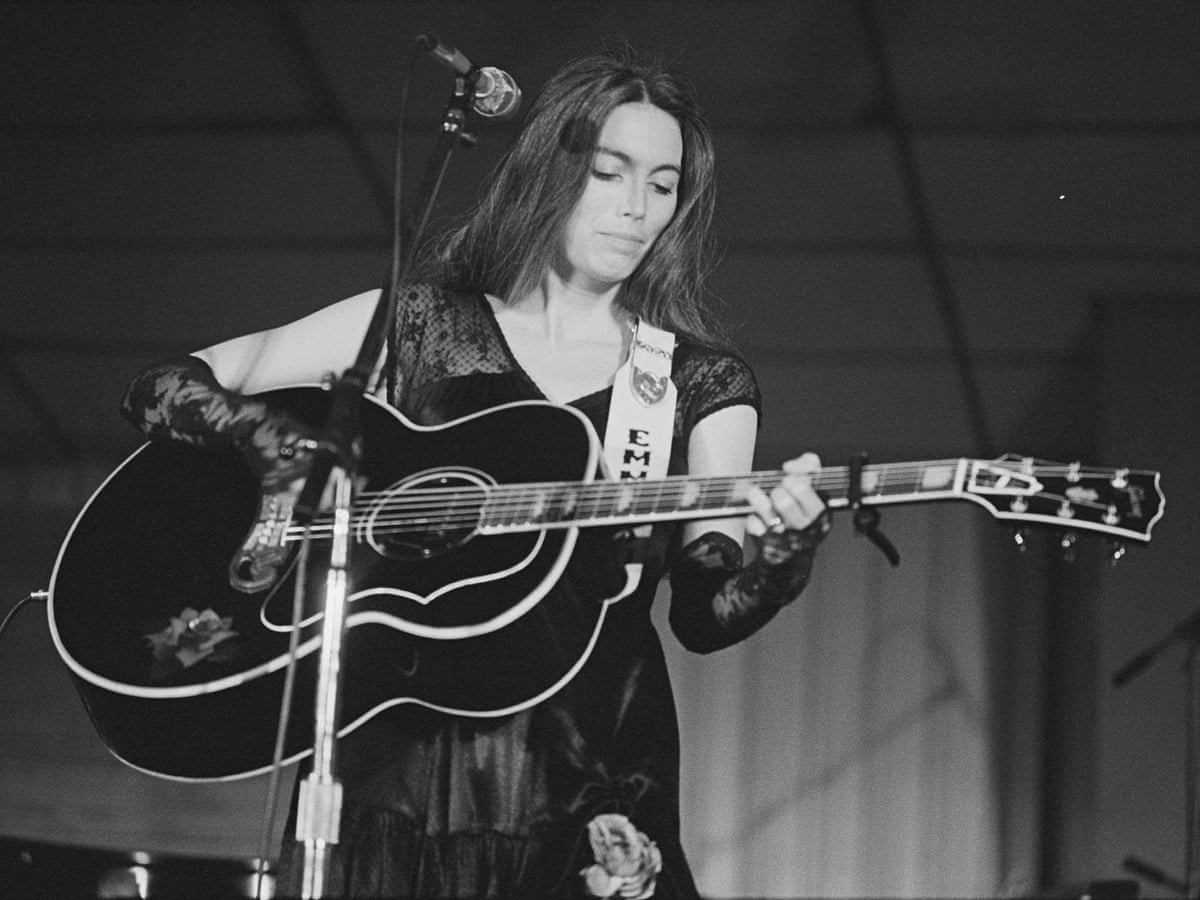
The nuance of “Goodbye” lies in its refusal to offer easy resolution. The narrative tension is sustained by the narrator’s acknowledgment of irreversible loss, a theme that resonated deeply with Harris’s own history of artistic and personal grief. In the studio, Lanois’s production emphasized the song’s skeletal nature, placing Harris’s voice in a vast, echoing space that mirrored the isolation of Earle’s writing process. This meticulous arrangement ensured that the weight of the silence between the words carried as much authority as the lyrics themselves. The resulting track helped Wrecking Ball secure the 1996 Grammy for Best Contemporary Folk Album, effectively legitimizing a new aesthetic for veteran artists in the mid-1990s.
As we view this collaboration from the perspective of 2026, the song remains a testament to the inevitability of change and the redemptive power of shared truth. It stands as a landmark in the history of Nashville’s creative community—a moment where the industry’s rigid boundaries dissolved to allow for a more honest dialogue about failure and survival. The authoritative resonance of “Goodbye” lies in its proof that the most enduring art is often forged in the moments when we have nothing left to lose but our secrets. It remains a definitive statement on the grace found in the act of walking away, and the strength required to say a final, clear-eyed farewell.