 By admin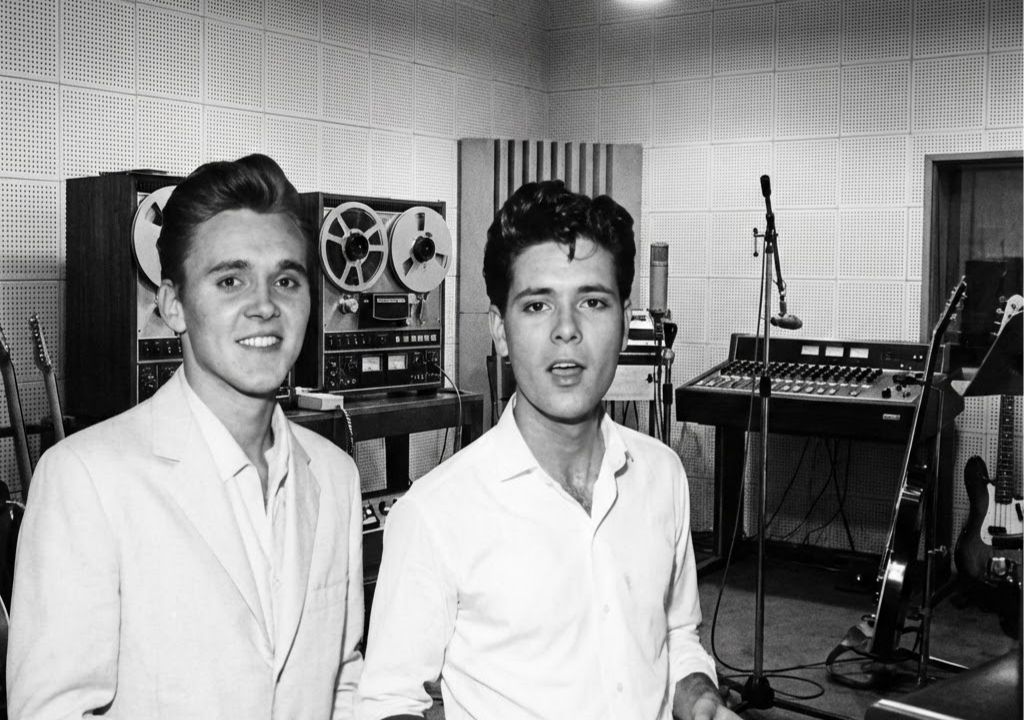
INTRODUCTION
In the neon-lit, subterranean corridors of London’s 2i’s Coffee Bar, the trajectory of British popular music was dictated not by happenstance, but by the meticulous crafting of two opposing spirits. While Cliff Richard ascended as the quintessential “boy next door,” a polished vessel for a nation’s post-war aspirations, Ronald Wycherley—rechristened Billy Fury—presented a brooding, cinematic intensity that felt dangerously unmanufactured. This was not merely a competition for chart supremacy; it was a sophisticated battle for the soul of a generation caught between the security of tradition and the lure of the unknown.
THE DETAILED STORY
Larry Parnes, the era’s preeminent starmaker, understood that for every “Good Boy” image sold, there was a market for a nuanced rebellion. Where Cliff Richard’s movements were choreographed to appease the suburban sensibilities of middle England, Fury’s presence was a study in restraint and smoldering energy. How did Fury manage to maintain this “Bad Boy” mystique while struggling with the debilitating physical frailty of rheumatic fever? The answer lies in the 05/01/1960 release of The Sound of Fury, an album that signaled a significant departure from the standard covers of the time. By writing his own material, Fury established a creative autonomy that Richard, for all his early brilliance with The Shadows, had yet to fully claim.
The perceived rivalry was further fueled by the media’s appetite for binary narratives. Richard was the inevitable global ambassador, eventually earning a knighthood and a permanent place in the establishment. Conversely, Fury remained the perpetual outsider, a figure whose connection to the docklands of Liverpool provided a grit that could not be replicated by a public relations firm. This dichotomy created a structural tension in the industry: could a performer be both a commercial juggernaut and a genuine iconoclast? As the decades have passed, the distinction between the two has blurred into a singular legacy of influence, yet the ghost of their 1960s standoff continues to define the parameters of the British pop idol. It is a testament to the power of identity in an industry often criticized for its superficiality.