 By admin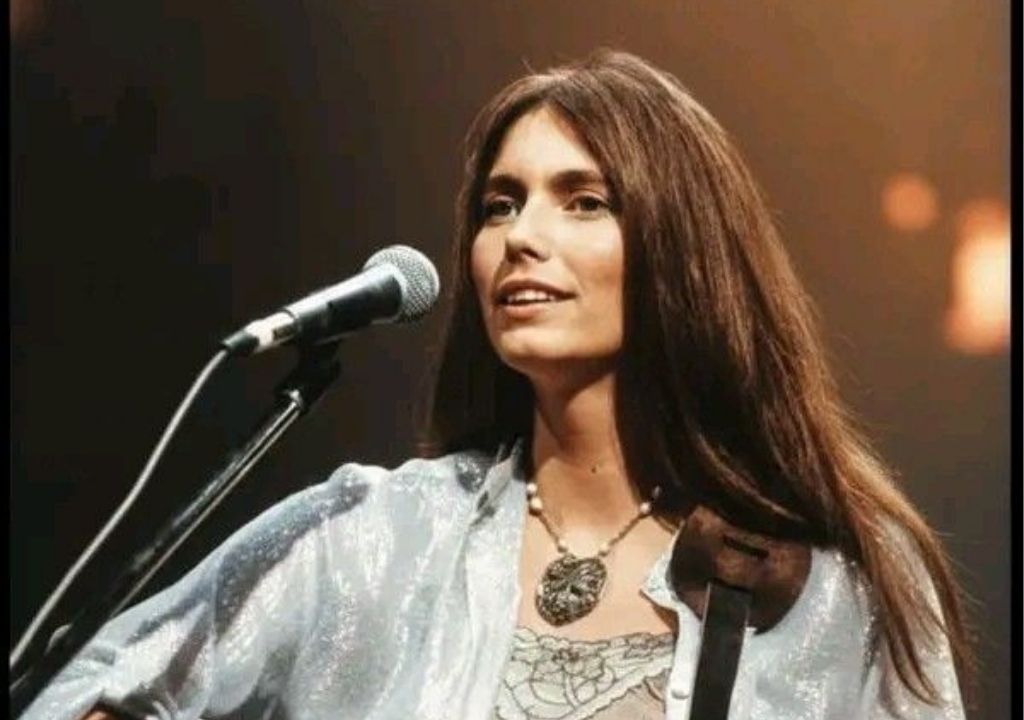

INTRODUCTION
The salt air of Fernandina Beach rarely carries the specific, silver-threaded soprano of a Country Music Hall of Fame inductee, yet on 03/28/2026, the Amelia Island Chamber Music Festival will host a deliberate departure from its classical orthodoxy. Emmylou Harris, an artist whose five-decade career serves as the connective tissue of American roots music, has confirmed a headline performance engineered to benefit the Nassau Humane Society. Flanked by the formidable Maura O’Connell and the virtuosic Tammy Rogers King, Harris is not merely staging a concert; she is constructing a sonic sanctuary where the formal intimacy of a chamber hall meets the unvarnished honesty of the folk tradition.
THE DETAILED STORY
This engagement represents a meticulous alignment of artistic prestige and local advocacy, reflecting a broader shift in how legacy artists navigate their late-career influence. Harris has long been a patron of the vulnerable, her personal commitment to animal welfare—most notably through her own “Bonaparte’s Retreat” rescue—serving as a quiet testament to a life lived in service of more than just the charts. By integrating O’Connell and King into this specific performance, the evening promises a masterclass in vocal architecture. The trio represents a convergence of Celtic-inflected folk and bluegrass precision, bypassing the commercial pressures of the Nashville machine in favor of a more profound, philanthropic resonance.

The decision to utilize the Amelia Island Chamber Music Festival as the vehicle for this fundraiser is particularly telling. Traditionally the sanctuary of string quartets and piano sonatas, the festival’s inclusion of Harris signals a sophisticated evolution of the “chamber” paradigm. It posits that the purity of three-part harmony, when stripped of artifice and over-production, possesses a structural integrity and emotional gravity equal to any classical composition. As the global music industry moves toward increasingly digitized and ephemeral experiences, Harris’s insistence on the tactile, the acoustic, and the charitable serves as a stabilizing force.
Every note played in this setting is designed to provide value beyond the auditorium walls, with proceeds directed toward the infrastructure of the Nassau Humane Society. The collaboration suggests that the true utility of a legend’s voice lies in its ability to amplify the needs of the voiceless. In the quietude of the venue, the audience will witness a distillation of Harris’s enduring philosophy: that music, at its zenith, is not merely a performance, but a vital tool for communal repair. The inevitability of her influence remains unquestioned, yet it is in these specific, localized acts of mercy that her legacy finds its most authentic expression.