 By admin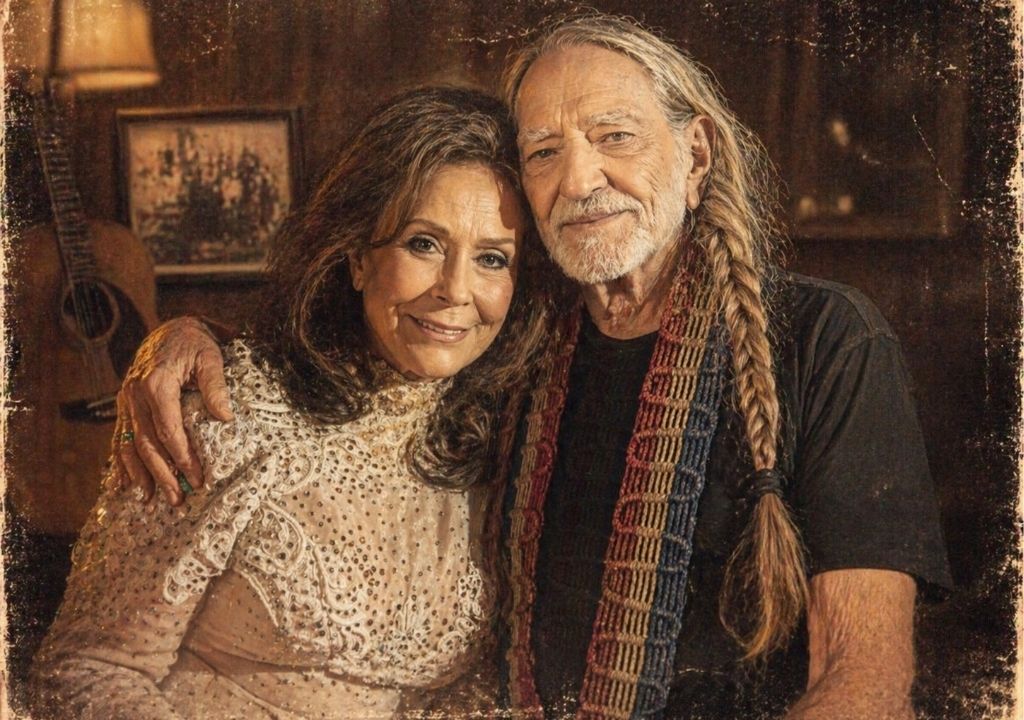
INTRODUCTION
In the pantheon of Nashville royalty, few unions were as aesthetically mismatched yet spiritually synchronized as that of Loretta Lynn and Willie Nelson. For over fifty years, they stood as the twin pillars of traditionalist grit and outlaw rebellion, respectively. However, the most vivid detail of their enduring camaraderie didn’t surface on a stage, but rather in a 2016 medical consultation. At age 84, the “Coal Miner’s Daughter”—a woman who had spent decades navigating the drug-fueled honky-tonk circuits without ever succumbing to a single illicit puff—finally decided to try marijuana. Diagnosed with glaucoma and encouraged by her doctors (and undoubtedly by the proximity of her “Pot-Smoking” pal Nelson), Lynn took a single hit of a joint. The result was not the transcendental peace advocated by Nelson, but a visceral rejection that became an instant piece of country music lore.
THE DETAILED STORY
The narrative of Loretta Lynn’s brief and “unsuccessful” foray into cannabis serves as a definitive case study in the collision of medical necessity and personal constitution. Lynn famously recounted the experience to People magazine, stating with her characteristic Appalachian bluntness: “I took one smoke off of it and it hit me right here in the chest. I like to have died!” For an artist whose career was built on the bedrock of unfiltered truth, her reaction was absolute. She jokingly concluded that “glaucoma is just going to have to take over,” deciding then and there that she was not destined for the high-flying lifestyle of her longtime friend.
This incident, occurring during the promotion of their 2016 duet “Lay Me Down,” highlights the fascinating dynamic between the two icons. While Willie Nelson has spent decades as the $100 million-plus industry’s unofficial ambassador for marijuana, Lynn remained a staunchly sober traditionalist. Yet, their mutual respect was unshakable. Lynn often defended Nelson’s habits, telling trade publications like Variety and Billboard that he was “one of the greatest people in the world” and that “there’s a lot of people doing a lot worse than smoking pot.” Her defense of Nelson, juxtaposed with her own physical inability to tolerate the drug, underscored a friendship built on character rather than conformity.
Willie Nelson, for his part, responded to Lynn’s failure to “get high” with his trademark humor and advocacy. Following her publicized bad trip, Nelson told the Associated Press that Lynn had “a lot of guts” and suggested that perhaps he should have been the one to help her through it, rather than the doctors. This playful banter between two septuagenarians and octogenarians reflected a deep, paternal-maternal bond that had survived the shifting tides of the music industry. As we reflect on their legacy in 2026, the story of Loretta’s “failed” puff remains a testament to her authenticity. She tried it, hated it, and remained the same unyielding figure who had once shook Nashville with “The Pill.” Ultimately, the failed experiment didn’t drive a wedge between the two legends; it only solidified their status as the industry’s most lovable, and unlikely, duo.