 By admin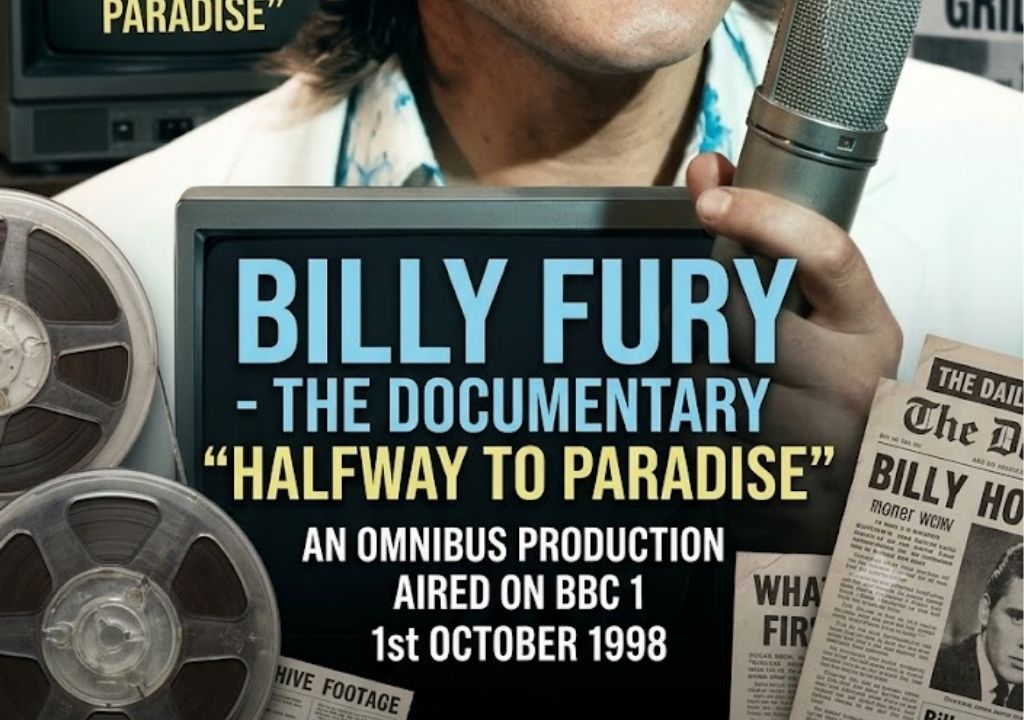
Full video at the end of the article
INTRODUCTION
THE DETAILED STORY
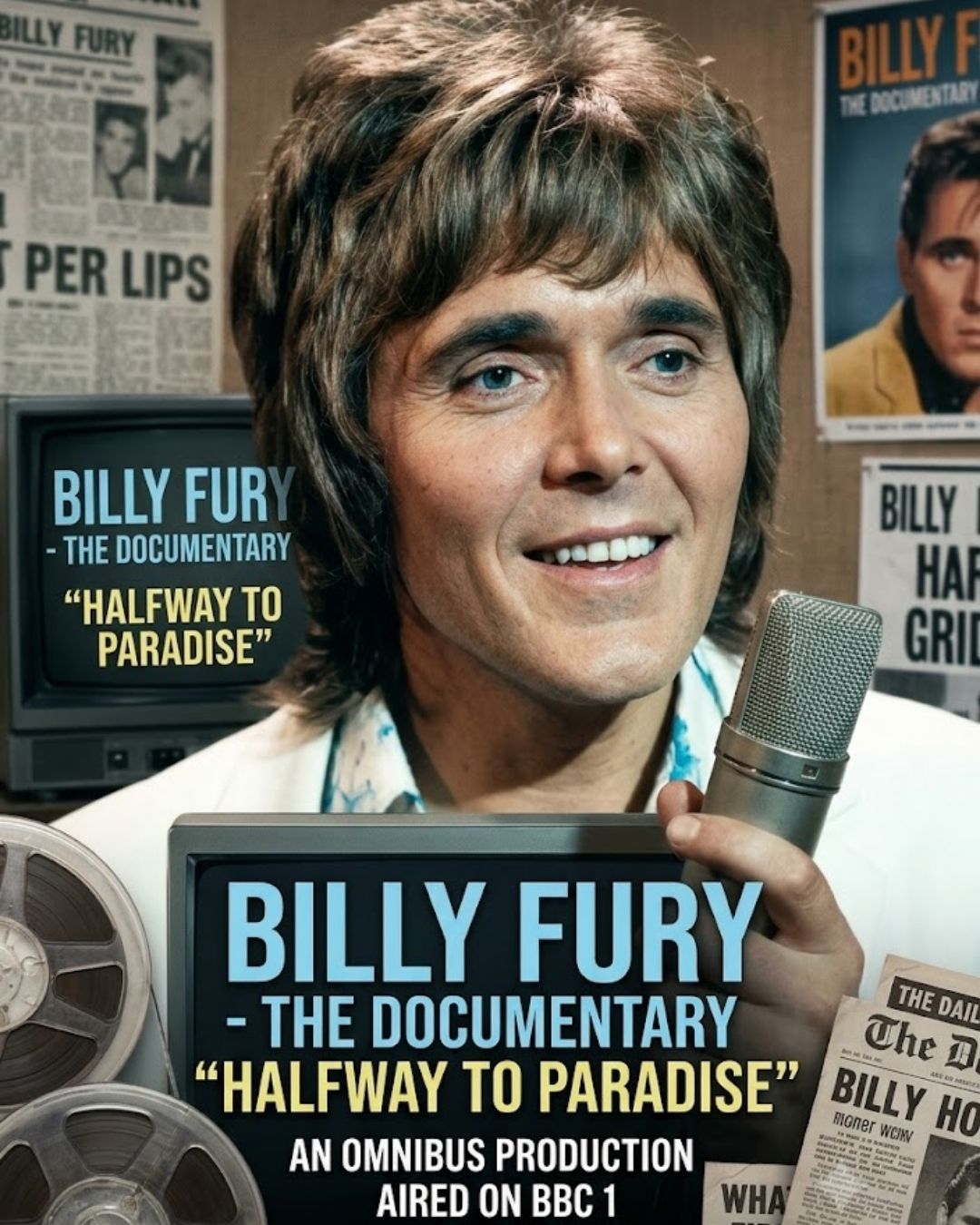
The true power of ‘Halfway to Paradise’ lies in its refusal to sanitize the complex reality of its subject. Directed with meticulous precision, the Omnibus documentary unwraps the duality of Ronald Wycherley—the shy, fragile youth from the Dingle district of Liverpool who transformed into the leather-clad, feline stage presence known as Billy Fury. The narrative architecture of the broadcast anchors itself on the profound tension between his explosive public persona and his physical vulnerability. Struck by severe rheumatic fever during childhood, Fury lived his entire life under the shadow of a damaged heart, an invisible clock ticking down toward his premature demise at age 42.
The film expertly traces his meteoric rise under the legendary impresario Larry Parnes, who famously curated a stable of young male singers with vivid, hyper-masculine stage names. Yet, while his peers were often content with basic pop arrangements, Fury possessed a profound musical intuition that aligned more with Elvis Presley’s raw Sun Records era. The documentary highlights his landmark 1960 album, The Sound of Fury, which stands as a masterpiece of British rockabilly because Fury remarkably penned every single track himself—a historic feat long before the Beatles made self-contained songwriting standard practice.
What elevates this documentary to standard-setting journalism is its roster of intimate interviews. The production brings together his mother, Jean Wycherley, his brother Albert, and seminal contemporaries like Marty Wilde, Joe Brown, and Ian Dury. They illuminate a man who hid his Teddy Boy outfits from his father, deeply cherished his friendship with Eddie Cochran, and found solace in wildlife preservation when the pressures of stardom became overwhelming. By integrating these authentic voices with pristine television performances, ‘Halfway to Paradise’ captures the melancholic romance of an artist caught between pop perfection and mortal fragility. It cements Fury’s legacy not merely as a fleeting teen idol, but as a towering, vulnerable genius of rock history.