 By admin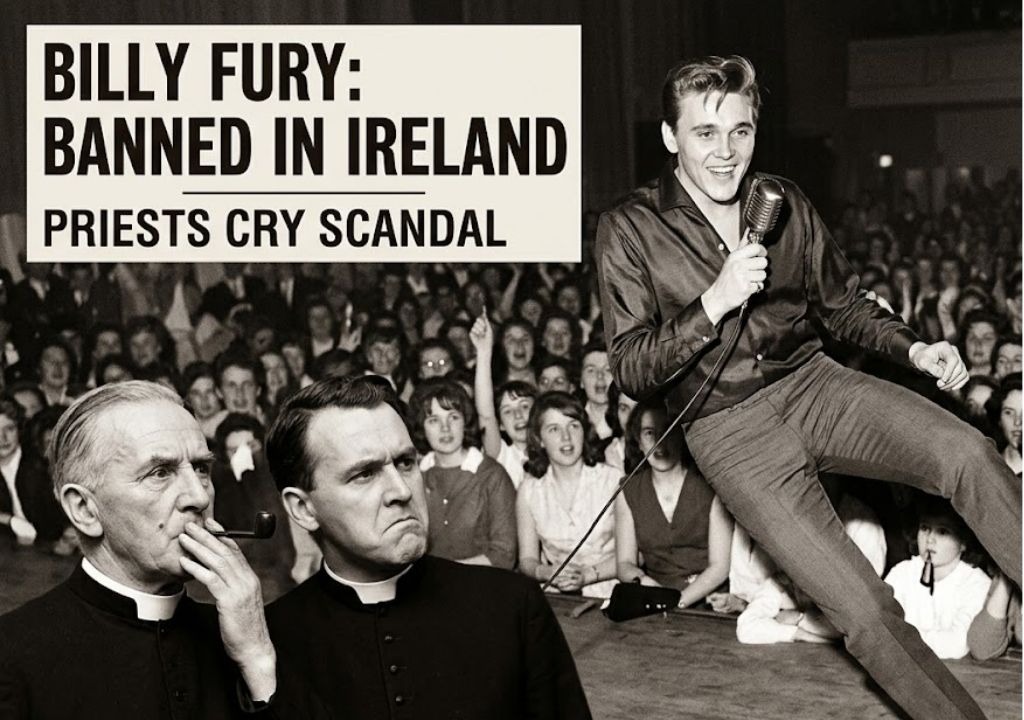
INTRODUCTION
On the evening of 10/30/1959, the heavy velvet curtains of the Theatre Royal in Dublin, Ireland, slammed shut mid-performance, plunging a packed house of ecstatic teenagers into sudden darkness. On stage stood Billy Fury, the magnetic, leather-clad pioneer of British rock and roll, whose raw, kinetic energy had pushed the venue management to their breaking point. In mid-twentieth-century Ireland, where the strict moral authority of the Catholic Church governed cultural expression, Fury’s hyper-sexualized showmanship was treated as an existential threat. Stripping off his jacket, caressing the microphone stand, and writhing on the stage floor, the young artist bypassed the conservative status quo entirely. This abrupt cancellation marked a defining structural crisis in post-war entertainment. It exposed a profound, unyielding cultural divide between a rising, liberated youth demographic and an entrenched religious establishment determined to police the physical boundaries of modern pop music.
THE DETAILED STORY
The volcanic uproar surrounding Billy Fury’s 1959 Irish tour reveals the profound institutional anxiety that greeted the dawn of British rockabilly. As reported in vintage entertainment chronicles like Picturegoer, Fury’s stage presence was a masterclass in calculated provocation, initially designed by visionary television producer Jack Good under the direction of manager Larry Parnes. The centerpiece of his routine was a blistering cover of Elvis Presley’s ‘Mean Woman Blues.’ During this number, Fury transformed from a quiet, introverted Liverpudlian into a fiercely defiant archetype. He would aggressively wind his left leg around the microphone stand, unzip his vibrant jacket amidst deafening screams, and ultimately collapse onto the stage floor, mimicking an intense, physical embrace with the microphone itself.
While audiences in Ulster tolerated the display, crossing the border into the deeply pious, Catholic-dominated Republic of Ireland brought Fury face-to-face with a formidable moral blockade. Local parish priests and conservative religious groups wielded massive societal influence, routinely evaluating popular culture through a strict theological lens. To these traditional guardians, Fury’s rhythmic hip-swiveling and raw pelvic thrusts were not merely eccentric dances; they were condemned as flagrant exhibitions of public indecency that threatened the spiritual purity of Irish youth. Under immense pressure from religious authorities who demanded immediate intervention against this imported secular vulgarity, the management of the Theatre Royal in Dublin took drastic action.
On 10/30/1959, the venue manager officially terminated Fury’s contract halfway through his scheduled week-long engagement. Labeling the performance completely objectionable, the theater administration pulled the curtains down and summarily canceled the remaining tour dates, leaving the backing musicians stranded for five days. The financial and reputational fallout was immediate. When Fury returned to the United Kingdom, metropolitan venue owners in cities like Leeds threatened to summon local police if he repeated the controversial routine. Ultimately, the intense institutional resistance forced a strategic retreat. By April 1960, facing pressure from his traditional family and industry gatekeepers, Fury publicly pledged to clean up his act, illustrating the immense power that mid-century moral censorship held over artistic autonomy.