 By admin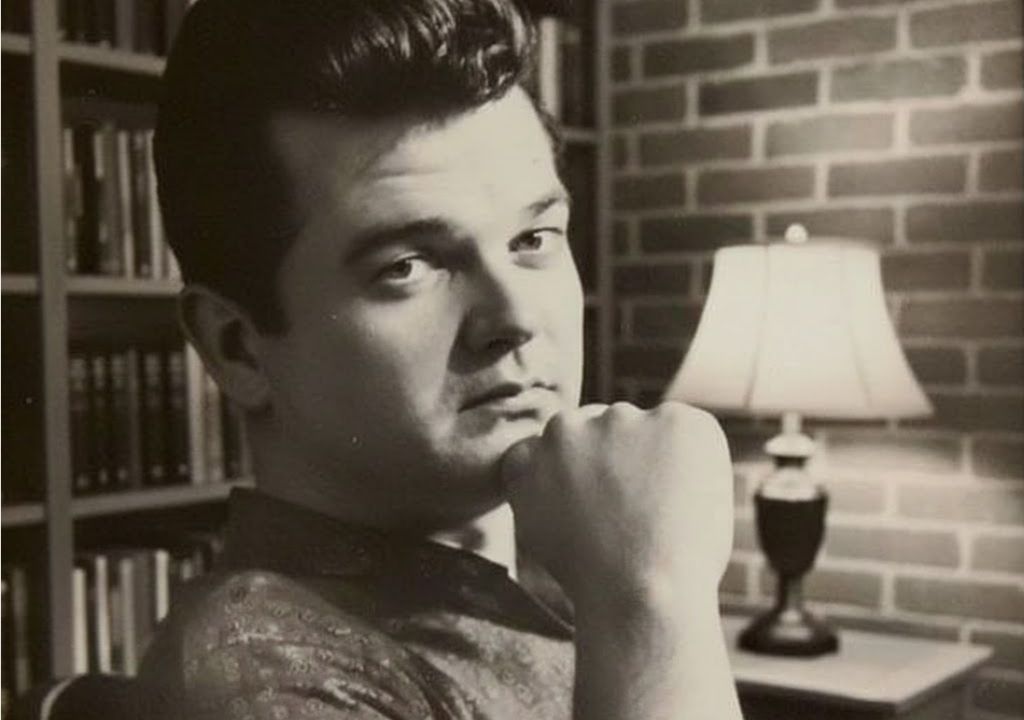

Introduction
The Sad Life and Tragic Ending of Conway Twitty
Conway Twitty, born Harold Lloyd Jenkins on September 1, 1933, in Friars Point, Mississippi, remains one of the most influential and successful country music artists of the 20th century. Known for his smooth voice, romantic ballads, and magnetic stage presence, Twitty captivated audiences worldwide for decades. From his early days as a rock and roll singer to his reign as a country music icon, Twitty’s career was defined by adaptability, innovation, and extraordinary talent. This story explores his life, rise to fame, musical evolution, personal struggles, and lasting impact on the music industry.
Raised in a modest household during the Great Depression, Twitty grew up in a close-knit, hardworking family. His father, Floyd Jenkins, worked as a riverboat pilot, while his mother, Velma, managed the home. Music was an integral part of family life—his grandmother taught him guitar, and his father introduced him to the sounds of Hank Williams and other early country legends. But it was the blues of the Mississippi Delta that left the deepest impression, shaping the genre-blending style that would define his career. By age 10, he had formed his first band, The Phillips County Ramblers, performing locally and already showing extraordinary musical promise.

Twitty’s talents extended beyond music; he was also a gifted baseball player and even received an offer to play professionally. Yet music remained his true calling. Drafted into the U.S. Army at 18 during the Korean War, he continued performing for fellow soldiers, honing his skills as a live entertainer. After his discharge in 1956, he returned to the U.S. and fully committed to music, adopting the stage name “Conway Twitty,” inspired by two towns he spotted on a map: Conway, Arkansas, and Twitty, Texas.
His early career as a rock and roll artist saw moderate success until the release of It’s Only Make Believe in 1958, which topped the Billboard Hot 100 and 21 international charts. This breakthrough showcased his rich, emotive voice and established him as a major recording artist. While he initially thrived in rock and roll, Twitty felt a strong pull toward country music, a genre rooted in his childhood. By the early 1960s, he transitioned to country, taking risks to reconnect with his roots. His first country hits, including Guess My Eyes Were Bigger Than My Heart and Next in Line, laid the foundation for a legendary career in Nashville.
Throughout the late 1960s and 1970s, Twitty dominated country charts with timeless hits like Hello Darlin’, I Love You More Today, and To See My Angel Cry. He also forged a remarkable partnership with Loretta Lynn, producing a series of Grammy-winning duets that addressed love, heartbreak, and infidelity with raw emotional honesty. His signature blend of country, rock, pop, and blues, combined with his storytelling ability, allowed him to connect deeply with audiences, building a loyal fan base spanning generations.
Twitty’s personal life was as complex as his music. Married four times and father to four children, he faced challenges balancing family with his demanding career. He remained devoted to his children, often writing songs reflecting his love and desire to provide for them. His faith and commitment to values also informed his music, emphasizing themes of redemption and spiritual growth.

Despite professional triumphs, Twitty faced setbacks, including financial difficulties with his Twitty City entertainment complex and legal disputes over royalties. Yet he persisted, maintaining his position as one of country music’s top artists through the 1980s and early 1990s, consistently releasing hit albums and touring to sold-out audiences.
On June 4, 1993, Twitty tragically passed away at 59 from an abdominal aortic aneurysm, collapsing after a performance in Branson, Missouri. His death was met with global mourning, leaving behind a profound legacy of 55 albums, 55 number-one singles, and countless awards, including Grammys, CMAs, and ACMs. His innovative approach to music—blending genres, embracing music videos, and connecting emotionally with audiences—reshaped country music and inspired generations of artists, from George Strait to Tim McGraw.
Twitty’s influence extended beyond his recordings and stage performances. His business acumen, willingness to experiment musically, and dedication to craft ensured lasting success, while his contributions to popular culture continue to resonate through films, television, and modern music. Today, Conway Twitty’s legacy is celebrated not just for his iconic voice but for his passion, resilience, and enduring impact on the world of country music. His spirit lives on through the music he created and the artists he inspired.