 By admin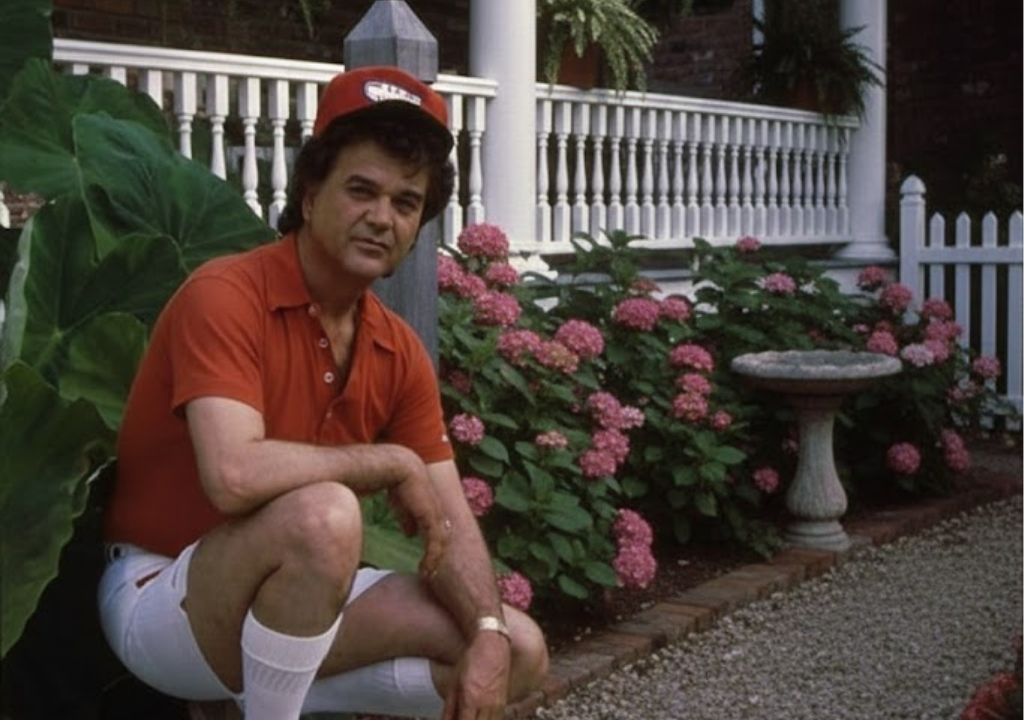

Introduction
In the long, tangled history of American music, few careers have swerved, collided, and resurrected themselves with the same violent intensity as Conway Twitty’s. To the casual listener, he was the soft-voiced king of country heartbreak, the smooth crooner behind Hello Darlin’, the man whose duets with Loretta Lynn reshaped Nashville’s sound. But behind that polished success was a saga of identity reinvention, artistic rebellion, and a restless ambition that refused to be contained by any single genre—or name.
And it all began with a map.
In 1957, Harold Lloyd Jenkins—just another Mississippi kid with a guitar, a dream, and the impossible pressure of standing in Elvis Presley’s shadow—looked at a highway map and found the two words that would change the course of his life: Conway and Twitty. Two towns, two syllables, one future. Overnight, Jenkins abandoned his birth name and stepped into a new skin. But the truth, as always, was more complicated. While Twitty himself would later confirm the map story on national television, those close to him whispered a different version: that the name wasn’t his idea at all, but rather a creation from a girlfriend long before the world ever heard it echo from a stage mic.
Yet no matter who coined it, the name Conway Twitty became a phenomenon.

Before country music embraced him, Twitty fought tooth and nail in the brutal world of early rock and roll. Inspired—almost haunted—by Elvis Presley’s Mystery Train, Twitty leaned hard into the rockabilly sound. He formed the Rockhousers, wrote “Rockhouse,” and recorded at the legendary Sun Studios under Sam Phillips. But the doors never swung open. None of those tracks were released, and in a twist that infuriated him for years, Roy Orbison would record “Rockhouse” instead—passed to him without Jenkins’s permission.
Still, Conway Twitty refused to disappear. After a string of failed Mercury singles, everything changed in 1958 when a DJ flipped a record to play the B-side: It’s Only Make Believe. The song exploded, hitting No. 1 in the U.S. and 21 other countries. People even believed it was Elvis singing under a fake name. For a moment, Conway Twitty was untouchable.
But success turned sour. Obsessed fans became aggressive, and Twitty’s last straw came during a New Jersey concert where he walked off stage mid-show. Disillusioned and exhausted, he sued his manager, ended his rock era, and vanished from the genre that had made him famous.
He resurfaced not in Memphis, not in Hollywood, but in Oklahoma City—ready to begin the transformation that would define him forever.
By 1965, Twitty made the final, permanent choice: country music. It wasn’t an easy welcome. DJs resisted him. Audiences doubted him. But he broke through with “The Image of Me,” followed by a tidal wave of hits—including the iconic Hello Darlin’ and an entire collection of era-defining duets with Loretta Lynn. His career became a runaway force: 56 No. 1 country hits, a staggering achievement that placed him among the giants of the genre.
And still, his story wasn’t finished.
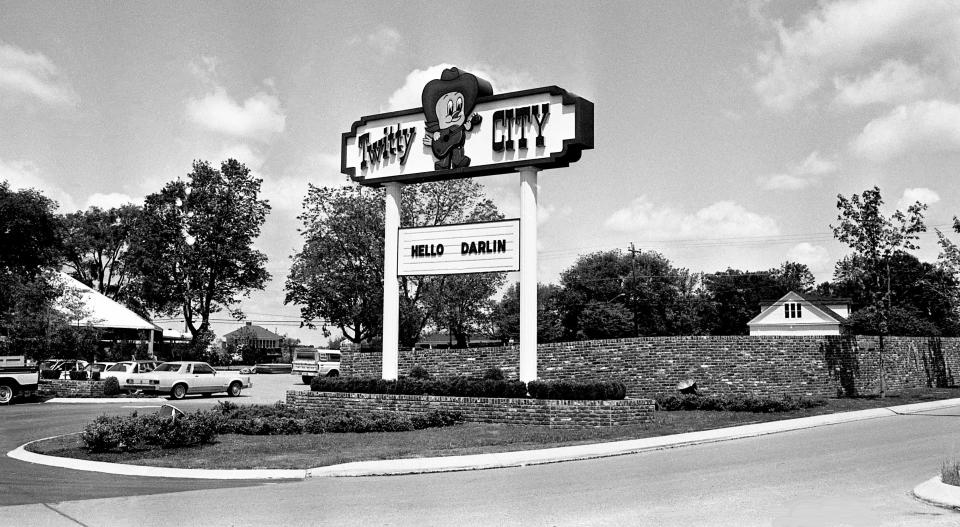
He built Twitty City, invested in baseball teams, acted in films, rewrote his look, reinvented his sound, and covered pop hits with fearless confidence. The boy from Mississippi who once recorded in obscurity ended his life as one of the most influential voices in American music history.
Yet behind every success was the same mystery, the same question:
Who was he really—Harold Jenkins or Conway Twitty?
And how many times can a single man reinvent himself before the world finally understands him?
This is the story fans thought they knew—but never truly heard.