 By admin
Introduction
New York City, 1971. The basement of the Ansonia Hotel. The humidity is at 100%.
Forget the glittering lights of Las Vegas or the polished stages of the Grammys. To understand the phenomenon of Barry Manilow, you have to descend into the underground. Literally.
Before he wrote the songs that make the whole world sing, Barry was a shy, awkward Jewish kid from Brooklyn trying to pay the rent. He found his paycheck in the last place anyone would expect: The Continental Baths. This wasn’t a concert hall. It was a hedonistic, luxury gay bathhouse—a Roman temple of steam, sex, and counter-culture revolution hidden beneath the Upper West Side.
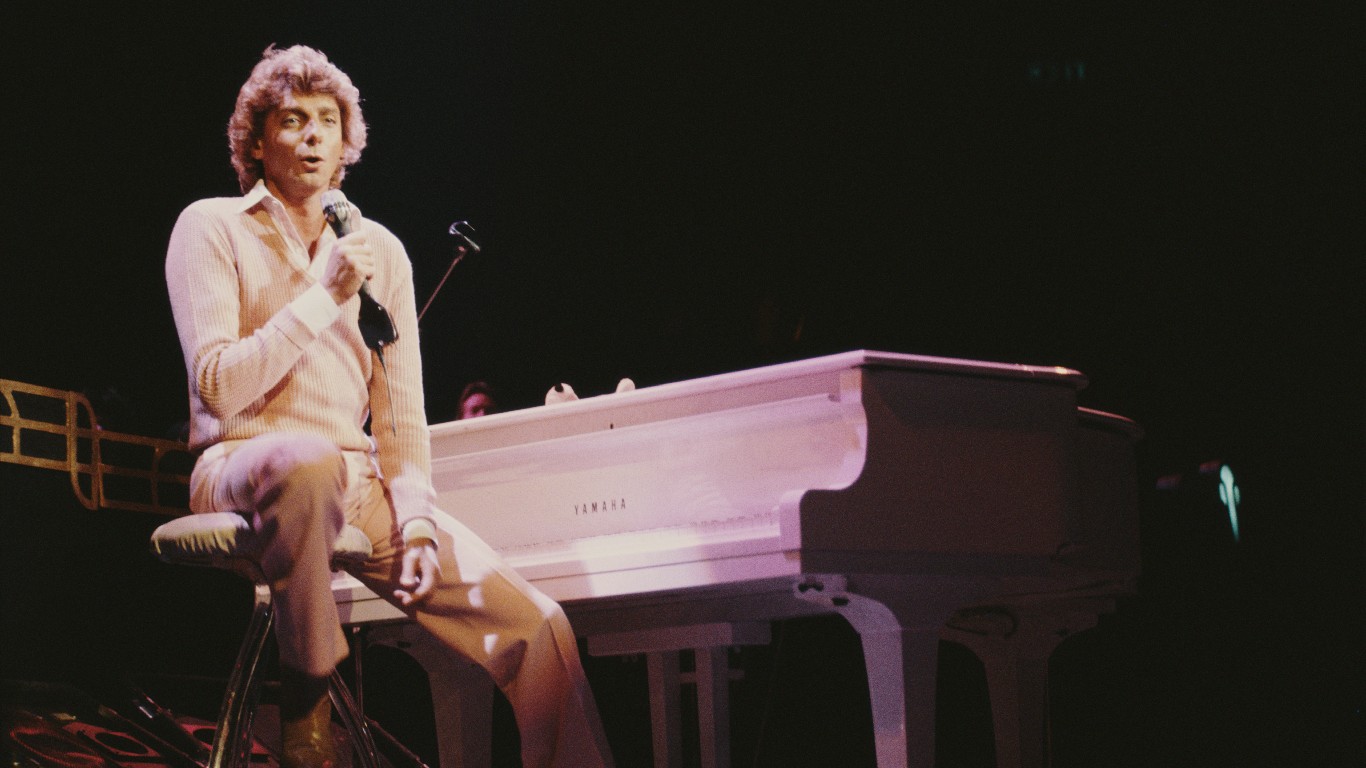
The image is jarring enough to cause whiplash. Picture this: The audience is sitting on the floor, dripping wet, wearing nothing but scant white towels. The air smells of chlorine and revolution. And there, tucked in the corner behind a black baby grand piano, is Barry Manilow—fully clothed, terrified, and playing his heart out.
He wasn’t the star yet; he was the musical anchor for a hurricane named Bette Midler.
This paradox is the defining irony of pop music history. The man who would become the poster child for wholesome, safe, radio-friendly soft rock cut his teeth in the grittiest, most sexually charged venue in America. He had to learn how to command a room where the distractions were… let’s say, plentiful. He had to play loud enough to be heard over the steam hissing and the crowd cruising.

It was here, amidst the towels and the heat, that Barry learned the art of the “big finish.” He wasn’t performing for polite society; he was performing for a crowd that demanded raw entertainment. The Continental Baths didn’t just give him a job; it stripped away his inhibitions. It is a piece of history that seems impossible today—the collision of high-camp cabaret and underground queer culture that birthed a superstar who would go on to sell 85 million records to suburban housewives.
So, the next time you hear “Copacabana,” don’t picture a sterile studio. Picture the steam room. Picture the towels. Picture the moment the safest man in music walked into the danger zone and found his voice.