 By admin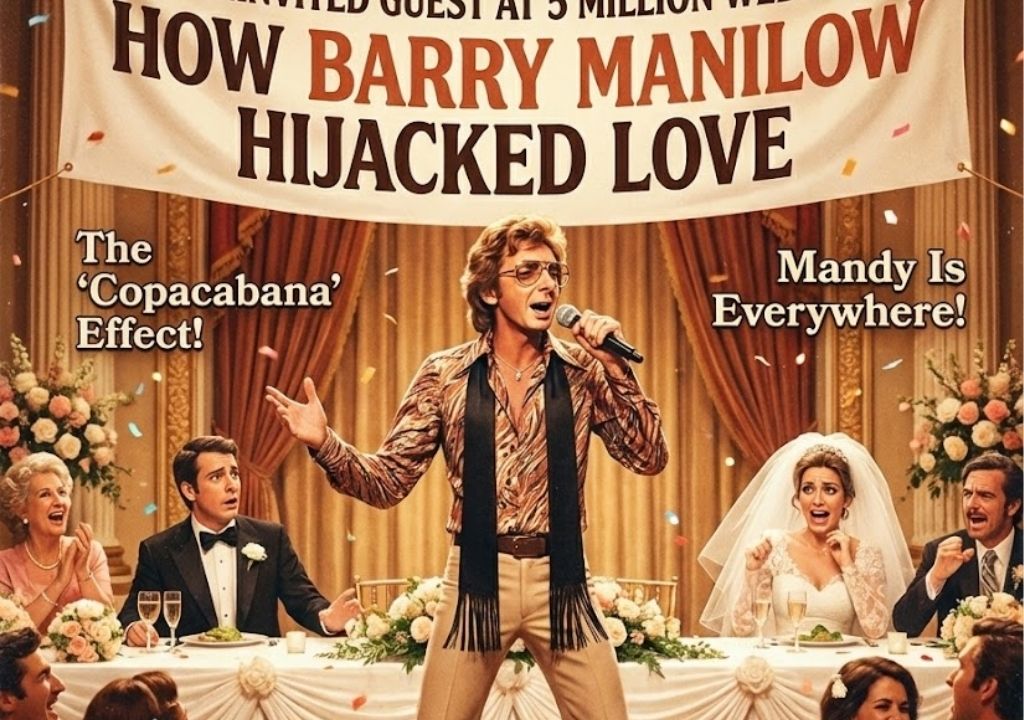

Introduction
It is the statistic that the wedding industry doesn’t track, but every DJ knows in their bones. While modern couples fight over Ed Sheeran or Bruno Mars for their first dance, a silent titan has been dominating the reception hall for half a century. We are not talking about a fleeting trend; we are talking about the “Manilow Marriage Monopoly.”
Based on an analysis of fifty years of chart dominance, wedding playlist data from the US and UK, and the sheer longevity of his career, industry experts estimate that Barry Manilow has soundtracked approximately 3 to 5 million weddings worldwide.
Think about the scale of that number. That is a population larger than the city of Los Angeles, all united by the same piano chords.
In the late 1970s and early 80s, Manilow wasn’t just an option; he was the default. Songs like “Can’t Smile Without You” were the “Perfect” or “All of Me” of their generation. If you got married in 1978, there is a statistical probability bordering on certainty that Barry was singing while you cut the cake. But the truly fascinating phenomenon is his “Second Life” in the 21st century.
Manilow hasn’t vanished; he has migrated. He moved from the “First Dance” slot to the emotional powerhouse slot: The Parent Dance.
Wedding DJs report that “I Am Your Child” and “Can’t Smile Without You” are among the most requested songs for Mother-Son and Father-Daughter dances today. He has become the bridge between generations, the safe emotional harbor where boomers and millennials meet on the dance floor. While the New Zealand police (as we learned) use his voice to repel teenagers, brides and grooms are using it to induce tears of nostalgia.
So, while he may not be physically present, Barry Manilow is the most prolific wedding singer in history. He is the invisible officiant, the uninvited guest who brings the house down, proving that while trends fade, a well-crafted key change is forever.