 By admin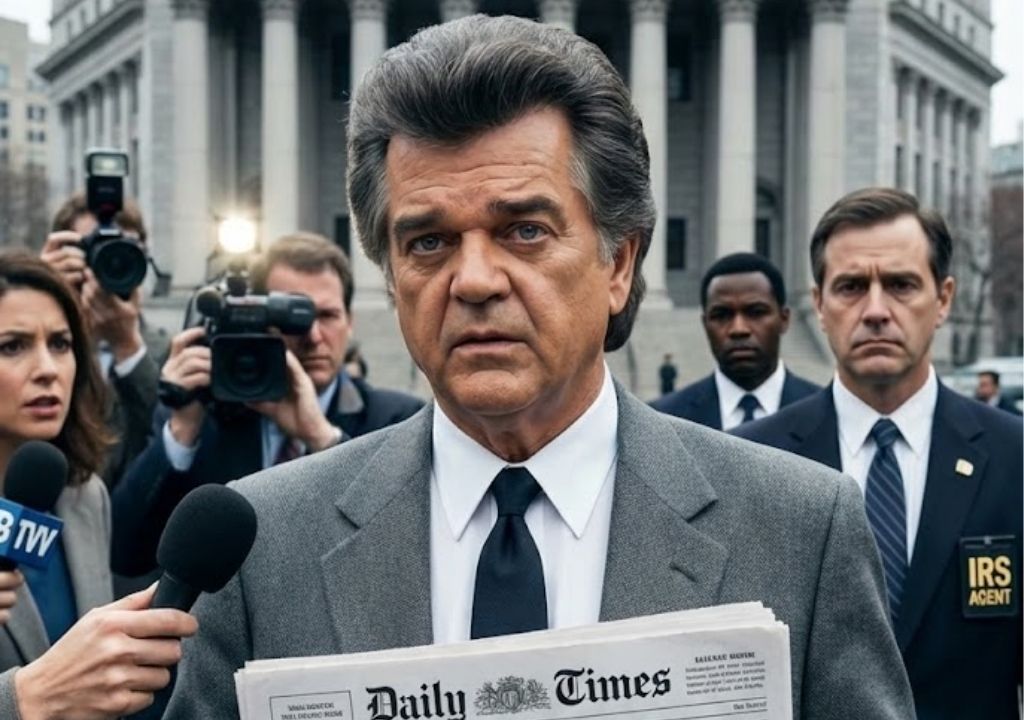

Introduction
In the cutthroat world of show business, “tax scandal” usually implies greed, evasion, or fraud. But for Conway Twitty, the “scandal” that dragged him into a federal courtroom was born from a bizarre act of extreme morality. In the early 1970s, Twitty convinced friends and fans to invest in a burger chain called “Twitty Burger.” When the business collapsed, he didn’t hide behind bankruptcy laws like most CEOs. Instead, he vowed to repay every single investor out of his own pocket—a decision that cost him nearly $100,000 (a fortune in 1973).

But the IRS didn’t see a hero; they saw a target. When Conway deducted those repayments from his taxes, the government sued him, arguing that paying back debts he didn’t legally owe wasn’t a “business expense”—it was a gift. Conway refused to back down. He marched into Tax Court, arguing that his reputation was his business, and letting people lose money would destroy his name. In a historic ruling, the judge not only sided with Conway but actually wrote an “Ode to Conway Twitty” in the official court documents. He had defeated the most powerful agency in America simply by doing the right thing.

However, the legal battles over his money didn’t end with the IRS; they metastasized after his death. Conway made a fatal error: he never updated his will after marrying his third wife, Dee Henry. When he died suddenly in 1993, his will left everything to his four children, but Tennessee law allowed his widow to claim a massive share of the estate. The result was a catastrophic, 15-year legal cage match. “Twitty City,” the symbol of his family’s unity, was sold off. His children were evicted from their homes on the property. The millions he fought the IRS to protect were drained by lawyers fighting over the scraps. It is a tragic irony: Conway won the war against the tax man to protect his name, but his own lack of planning allowed his legacy to be torn apart from the inside.