 By admin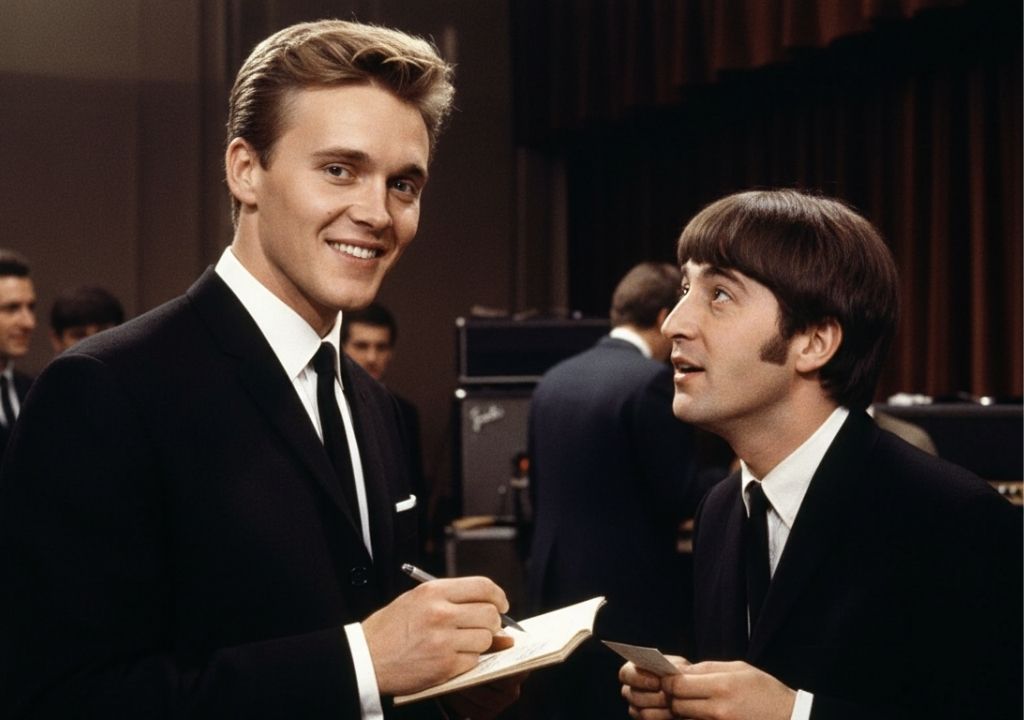
Introduction
The air inside the Wyvern Social Club in May 1960 was thick with the scent of stale tobacco, cheap ale, and the suffocating desperation of young men with nothing to lose. History remembers the 1960s as the decade of the British Invasion, but before the world fell to its knees for the Fab Four, there was a hierarchy in Liverpool that placed one man on a pedestal so high it seemed unreachable: Billy Fury. Born Ronald Wycherley, Fury was the UK’s visceral answer to Elvis Presley—a leather-clad, brooding Adonis whose presence alone could send a room into a frenzy. On this particular afternoon, a ragtag group known as the Silver Beetles, featuring a sharp-tongued but internally anxious John Lennon, was not there to lead a revolution; they were there to audition for the chance to simply stand in Fury’s shadow as his backing band.
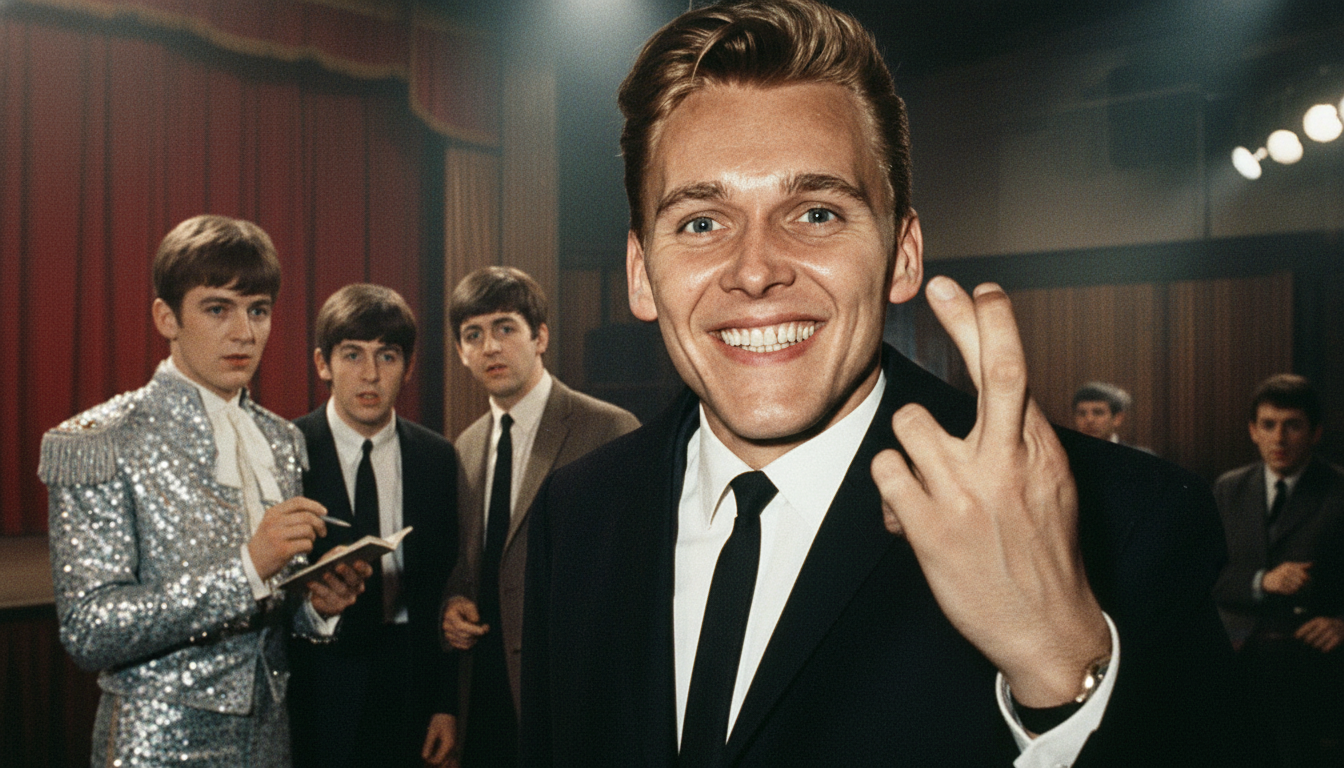
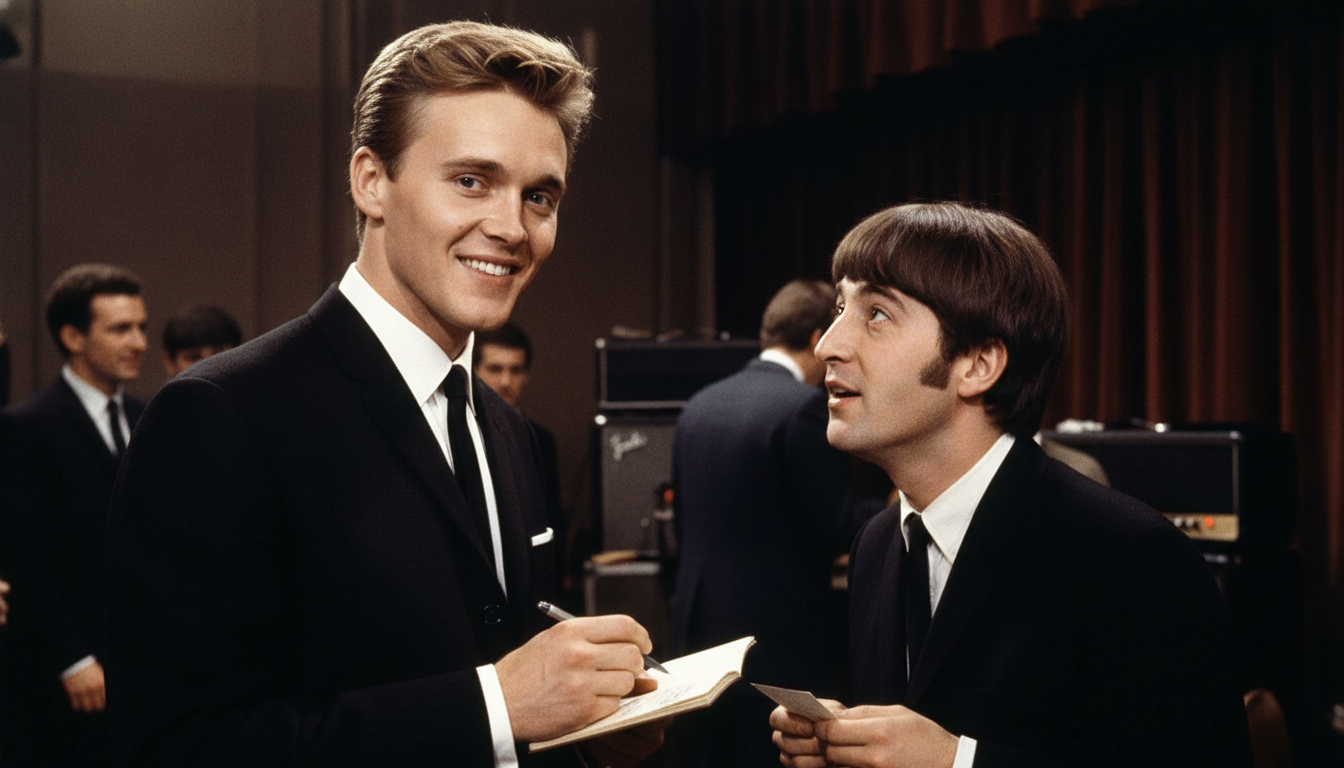
The stakes were agonizingly high. For Lennon, Paul McCartney, and George Harrison, this wasn’t just another gig; it was a potential lifeline out of the working-class grind of the Mersey docks. Larry Parnes, the ruthless impresario behind Fury, was scouting for talent, and the tension was palpable. Witnesses from that day describe a version of John Lennon that the world rarely saw: the fan. In a moment of raw, unvarnished vulnerability that shatters the image of the cynical rock rebel, Lennon approached Fury. He didn’t offer a handshake of equals; he approached with the reverence of a disciple. The legend goes that Lennon, moved by Fury’s effortless charisma and “star power,” requested an autograph—a physical token of a man who had already achieved the immortality Lennon so desperately craved.
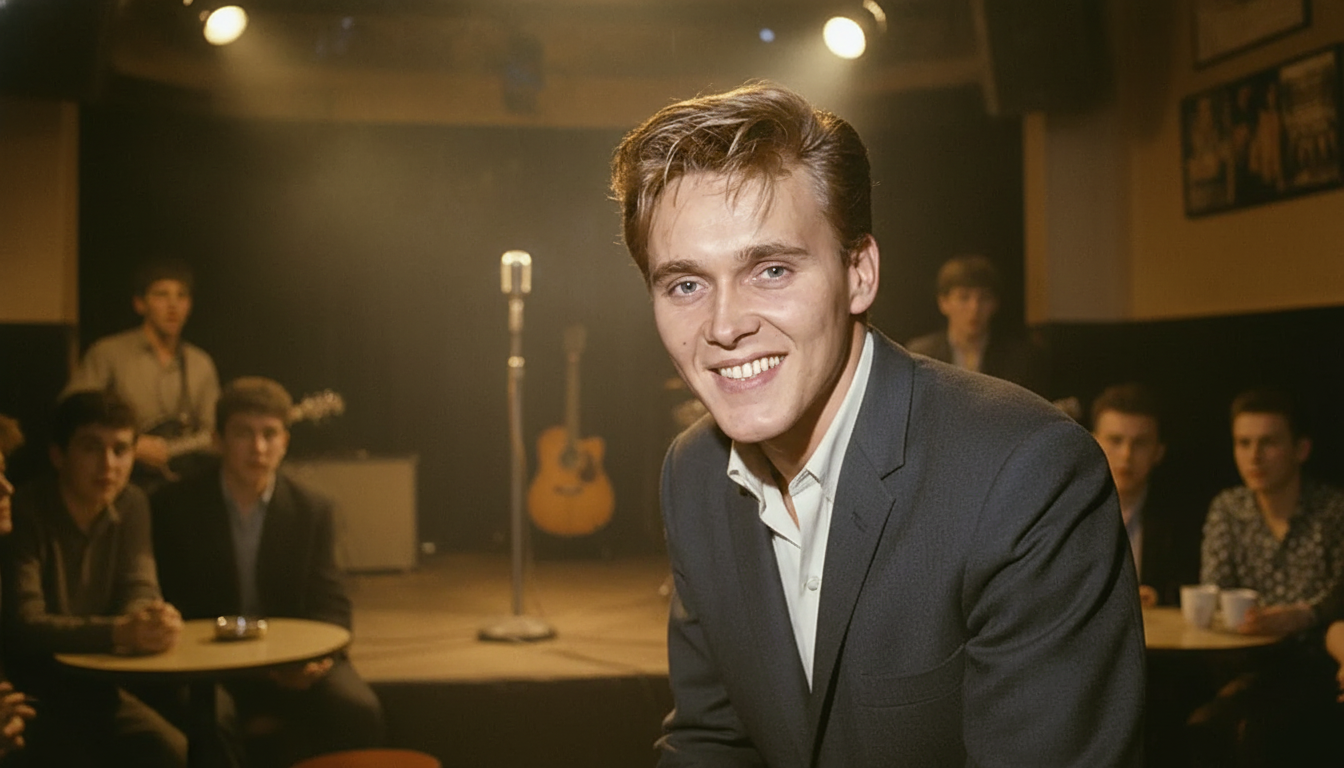
This was a collision of two eras. Fury represented the polished, manufactured glamour of the 1950s rock-and-roll machine, while Lennon was the flickering spark of the DIY explosion that would eventually dismantle that very system. Yet, in that dimly lit club, the power dynamic was absolute. Fury was the king; Lennon was the subject. The significance of this interaction cannot be overstated—it serves as a profound reminder that even the architects of modern culture were once fueled by the idolization of others. The Silver Beetles ultimately failed the audition because they didn’t have a permanent drummer (with Tommy Moore arriving late), but the emotional weight of that day lingered. Lennon’s request for a signature was not just a fan’s whim; it was a silent recognition of the “it factor” that Fury possessed—a quality Lennon would soon weaponize to change the course of human history.