 By admin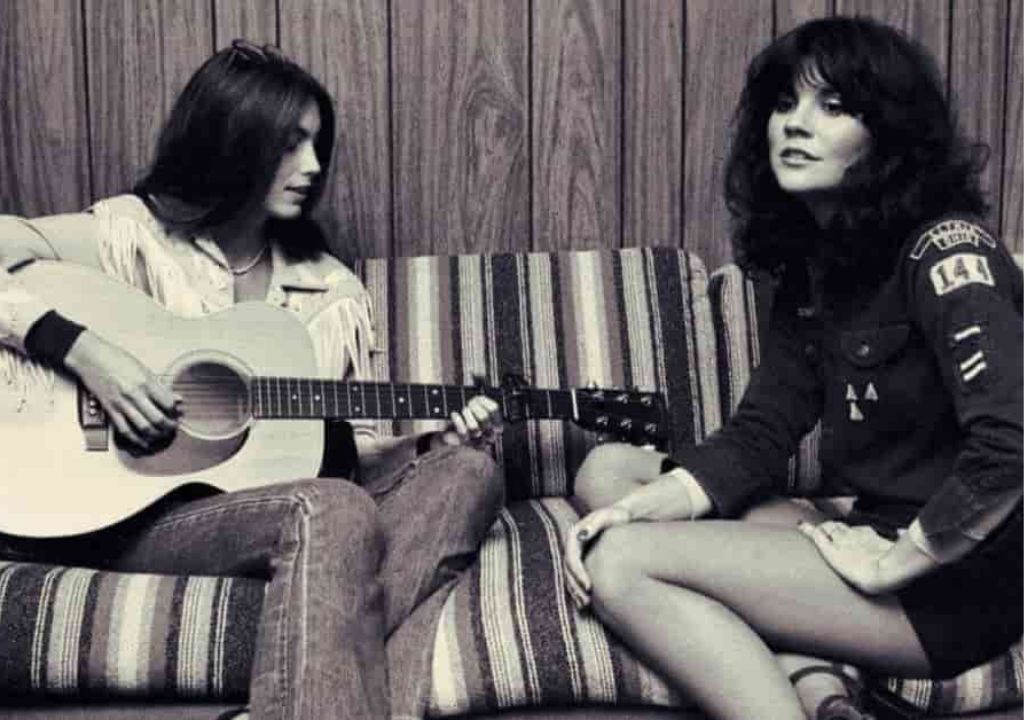
Introduction
The searing heat of Tucson, Arizona, in 1999 provided the backdrop for a recording session that was less about professional obligation and more about a lifelong spiritual convergence. Inside the historic Arizona Inn, Linda Ronstadt and Emmylou Harris were attempting to capture a specific, elusive frequency—the kind that only exists when two voices have navigated decades of shared grief, triumph, and artistic evolution. However, a sudden bout of laryngitis left Ronstadt nearly silenced, forcing Harris to record her lead vocals in a vacuum. The stakes were uniquely intimate; this was not merely a commercial follow-up to their successful “Trio” collaborations with Dolly Parton, but a definitive statement on their own dual legacy.
THE DETAILED STORY

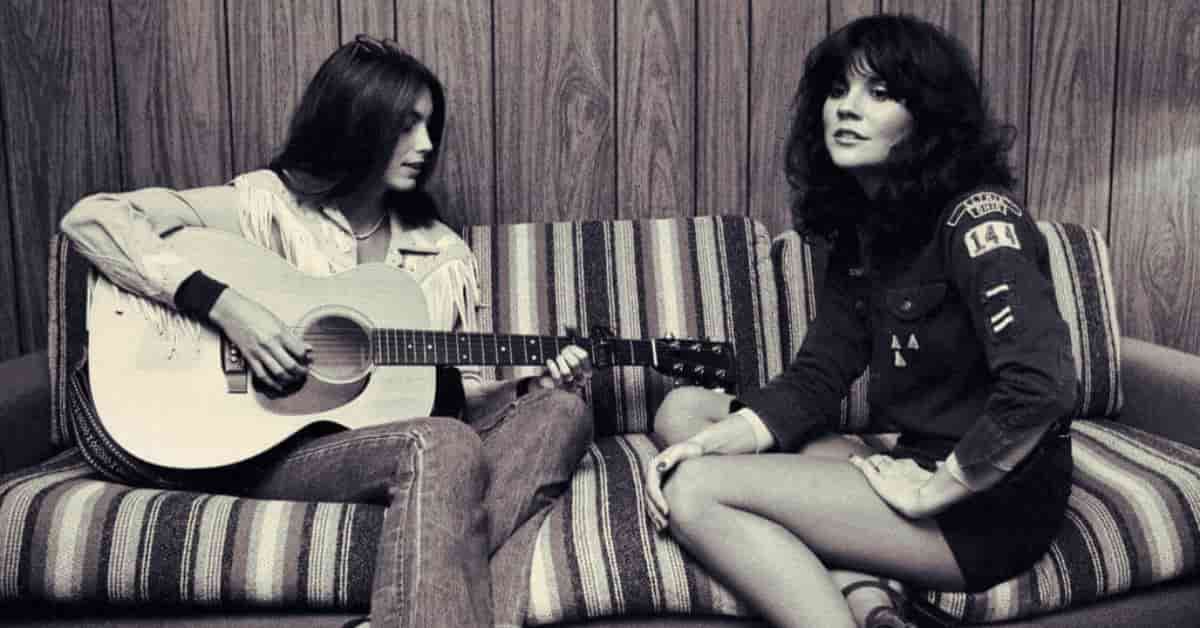
The partnership between Harris and Ronstadt remains one of the most significant paradigms of 20th-century music, predicated on a meticulous rejection of the competitive “diva” archetype. Their bond was forged in the early 1970s, a period when the music industry frequently sought to isolate female artists as solitary products. Instead, Harris and Ronstadt recognized in one another a rare interpretive kin. Harris, the crystalline soprano and former apprentice to Gram Parsons, found her grounding in Ronstadt’s rich, authoritative alto. This was a partnership of intellectual prestige; they didn’t just sing together, they curated. They spent late nights swapping tapes of David Olney, Rosanne Cash, and Jackson Browne, treating the American songbook as a sacred text requiring collective stewardship.
Their 1999 masterpiece, Western Wall: The Tucson Sessions, serves as the inevitable culmination of this philosophy. Despite the initial hurdle of Ronstadt’s illness, the resulting work possessed a haunting, atmospheric depth. Ronstadt later remarked that she learned to “ride along on the upper deck” of Harris’s already-recorded tracks, a metaphor for the profound trust that defined their career. This album, produced by the legendary Glyn Johns, eschewed the glossy production of late-90s Nashville in favor of a stark, lean aesthetic. It featured contributions from Neil Young and the McGarrigle sisters, further cementing Harris and Ronstadt as the primary conduits through which disparate folk and rock lineages were unified.

The nuance of their collaboration lies in the subordination of their individual stardom to the requirements of the harmony. In an era where “supergroups” are often fractured by conflicting management and ego, Harris and Ronstadt operated with a transparency that prioritized the song’s narrative integrity. They effectively “kept the flame alive” for the neotraditionalist movement, ensuring that the acoustic purity of the Appalachian tradition survived the synthetic overproduction of the 1980s and 90s. Their shared history is a testament to the fact that the most enduring artistic heights are rarely reached alone, but rather through the selfless architecture of a perfectly blended chord.