 By admin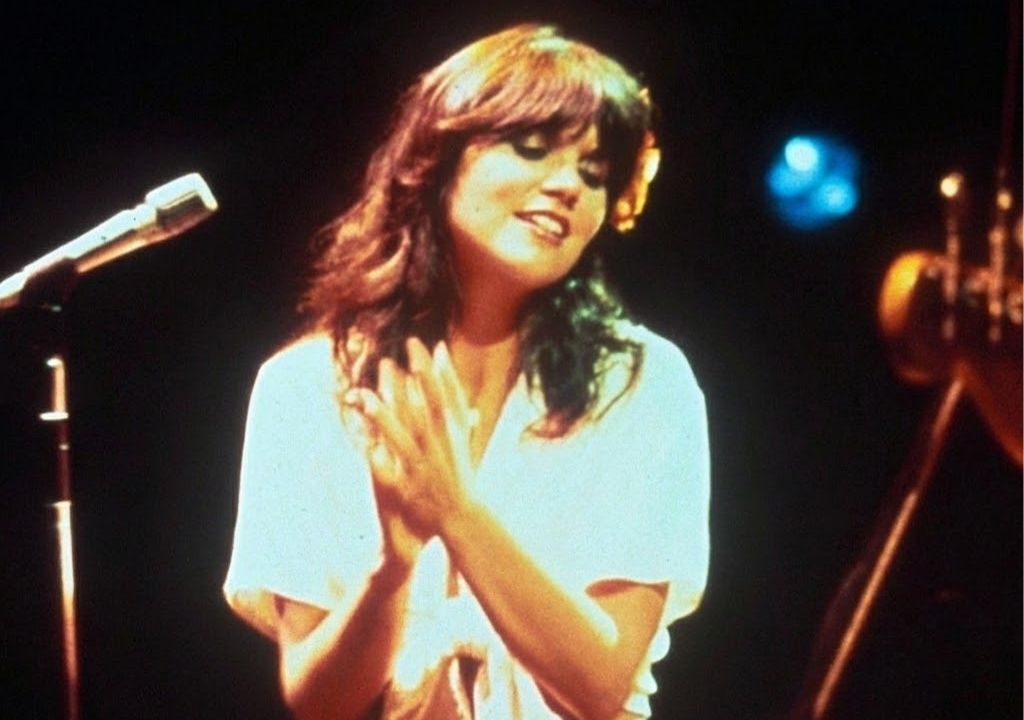

Introduction
This rare 1970s interview offers a fascinating, “fly-on-the-wall” look at the birth of the Southern California country-rock scene. Linda Ronstadt candidly discusses her early days in LA, her struggles with self-doubt, and—most notably—her pivotal role in the formation of The Eagles.
Here is a summary of the most compelling insights from the interview:
1. The Troubadour: The “Ground Zero” of Rock

Linda credits the Troubadour bar in West Hollywood as the catalyst for the entire 70s music scene. It wasn’t just a venue; it was a melting pot where artists like Bernie Leadon, Glenn Frey, and Don Henley hung out, drank, and sang bluegrass “white spirituals” in the corner until the early hours of the morning.
2. “The Secret Weapon”: Discovering The Eagles
Before they were superstars, Glenn Frey and Don Henley were members of Linda’s backing band. She shares some incredible “before-they-were-famous” details:
-
Glenn Frey: She called him a “hotshot” and knew he was destined for greatness, even though she hired him when he was “starving to death.”
-
Don Henley: Linda originally hired him purely for his drumming. She reveals that his incredible singing voice was a “secret weapon”—he was so shy that no one even knew he could sing at first.
-
The Formation: She describes the early Eagles as being like “people in love,” noting that their vocal chemistry was “stunning” from the very first day they played together.
3. Personal Struggles and “Don’t Cry Now”

Despite her success, Linda reveals a surprisingly vulnerable side during this era:
-
Self-Doubt: During the recording of the album Don’t Cry Now, she was deeply depressed and convinced she was a “terrible singer.”
-
Life on the Road: She describes herself as a “permanent orphan,” having spent so many years touring that she felt she didn’t have a real home.
4. How She Chooses Her Songs

Linda explains that she doesn’t just pick hits; she picks faces.
-
Every song she sings is dedicated to a specific person or a personal experience.
-
She describes her relationship with songwriter J.D. Souther (with whom she lived) as having a “tailor-made songwriter” who could turn their shared life experiences into music she could “burn to sing.”