 By admin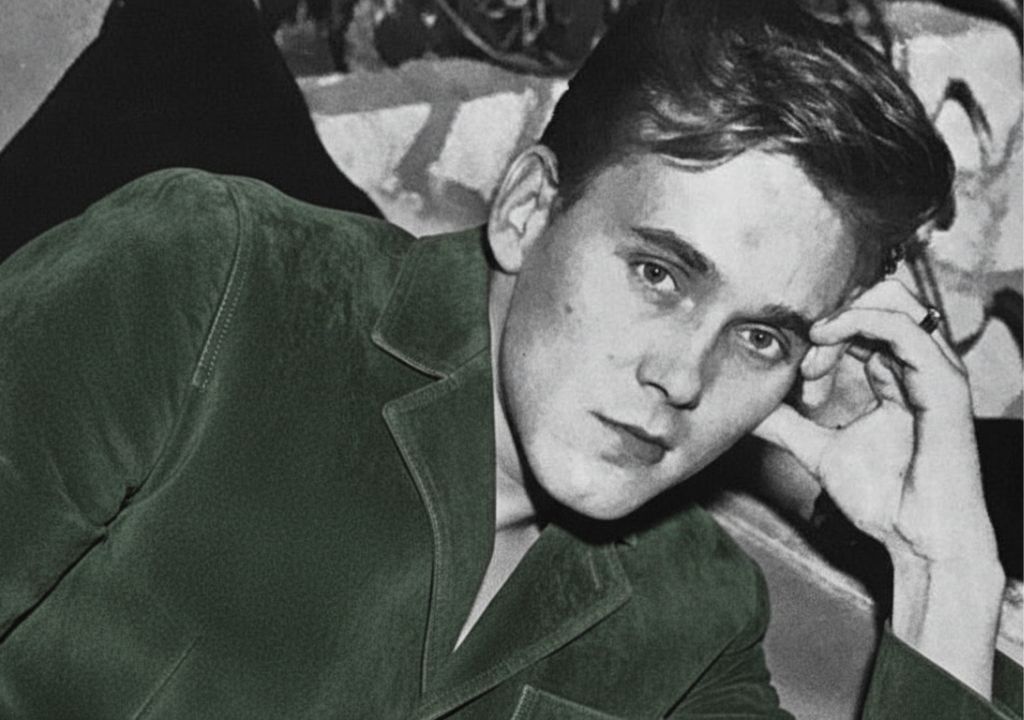

Introduction
The story of Billy Fury is one of the most poignant chapters in the history of British music. Born Ronald Wycherley in Liverpool in 1940, he was a man of profound contradictions: a fierce, hip-swiveling rock and roll pioneer on stage, and a shy, nature-loving soul off it. Often called “Britain’s Elvis,” Fury was a foundational influence on legends like John Lennon and Morrissey, yet his own journey was shadowed by a tragic fragility.
The Early Struggle and the “Miracle” Discovery
Ronald’s life was shaped by a wartime childhood. Frequent stays in cold air-raid shelters contributed to a severe bout of rheumatic fever at age six, leaving him with permanent heart damage. This illness meant he spent much of his youth in hospitals, feeling like a perpetual stranger—a sentiment that likely fueled the “moody” persona he later adopted.
In 1958, his life changed overnight. Armed with a few self-penned songs, he went to audition for impresario Larry Parnes. Parnes was so struck by the young man’s James Dean-like looks and raw talent that he pushed him onto the stage that very night. Ronald Wycherley entered the theater as a shy songwriter; he left as Billy Fury, a superstar.
The Sound of Fury and Artistic Mastery
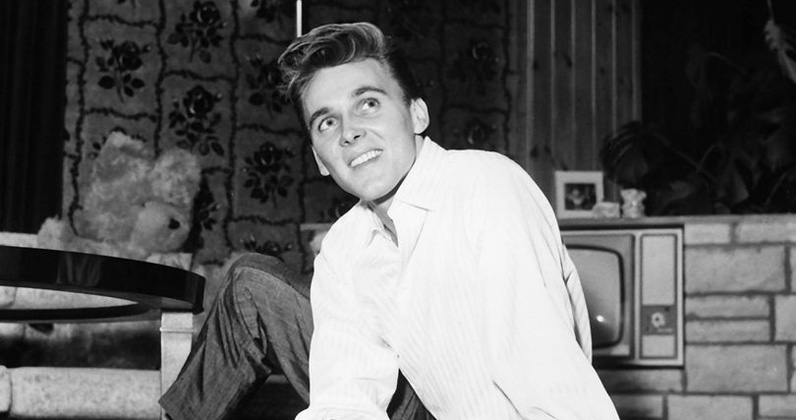
Unlike many of his contemporaries who merely covered American hits, Fury was a gifted songwriter. His 10-inch album, The Sound of Fury (1960), is widely considered the greatest British rock and roll album of all time. It was raw, soulful, and remarkably self-contained.
As the 1960s progressed, Fury transitioned from a leather-clad rocker to a romantic balladeer. His emotive voice made him a permanent fixture on the charts; notably, he had more hit singles in the 1960s than The Beatles. However, behind the fame lay a grueling schedule managed by Parnes, who kept Fury on a strict weekly wage despite the millions his records generated.
The Vulnerable Superstar
Billy Fury was never comfortable with the “mania” surrounding him. While thousands of girls screamed at his feet, he often retreated to the countryside. He was an avid birdwatcher and ornithologist, finding more peace in the silence of the Welsh mountains than in the spotlight.
His health remained a constant battle. He underwent multiple major heart surgeries throughout the 1970s, often looking painfully thin and frail in his later public appearances. Despite the physical toll, his passion for music never dimmed, and he was working on a final comeback right up until his last moments.
A Lasting Legacy

Billy Fury passed away in January 1983 at the age of 42—the same age as Elvis Presley. Though his life was short, his impact remains etched in the bronze statue that looks out over the Liverpool pier head. He wasn’t just a “teen idol”; he was a genuine artist who navigated fame with a gentle heart and a wounded body.
Video