 By admin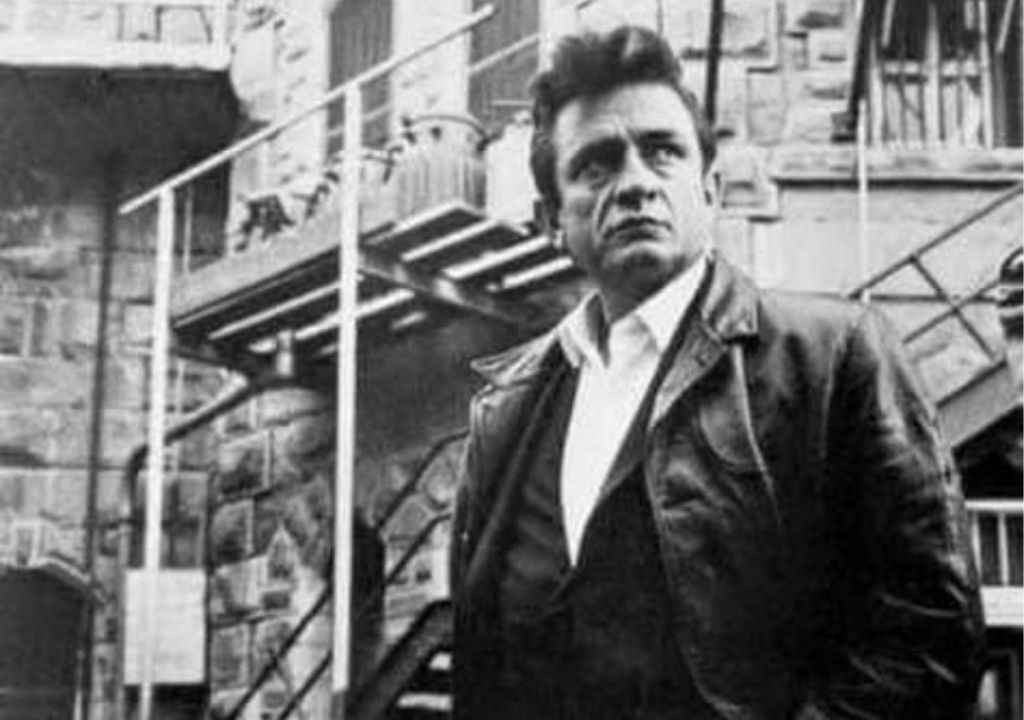

About the song
More Than a Color: Understanding the Message Behind Johnny Cash – Man in Black
When we think of Johnny Cash, we don’t just think of the music—we think of the man, the presence, and the quiet power he carried with him on every stage. Nowhere is that presence more vividly explained than in Johnny Cash – Man in Black, a song that was less about image and more about conscience.
Released in 1971, Man in Black wasn’t simply another track in Cash’s deep catalog. It was his statement to the world—a musical explanation of why he chose to wear black, not as a fashion choice, but as a symbol of empathy and protest. While many performers were donning bright suits and glittering stage outfits, Cash stood apart in stark, somber black, drawing attention not to himself, but to those who were often unseen.
In the song, Cash speaks clearly and directly: “I wear the black for the poor and the beaten down.” It’s an anthem for the forgotten, a voice for the voiceless. He references the prisoners, the struggling, the misunderstood. And he does so not with anger, but with compassion and resolve. That’s what makes Johnny Cash – Man in Black so powerful—it’s not a performance; it’s a purpose.
Musically, the song is classic Cash—steady rhythm, clean guitar, and that unmistakable voice that sounds like it’s carved from American soil. But lyrically, it stands apart as one of his most personal and socially conscious pieces. It’s protest without shouting. It’s truth without bitterness.
For those who grew up with Johnny Cash or came to know him later in life, this song offers a deeper understanding of the man behind the music. Johnny Cash – Man in Black isn’t just about what he wore. It’s about why he stood where he did—and who he stood for.
Even today, decades later, the song continues to resonate. It’s a reminder that music can carry a message, and that sometimes, wearing black is the brightest light of all.