 By admin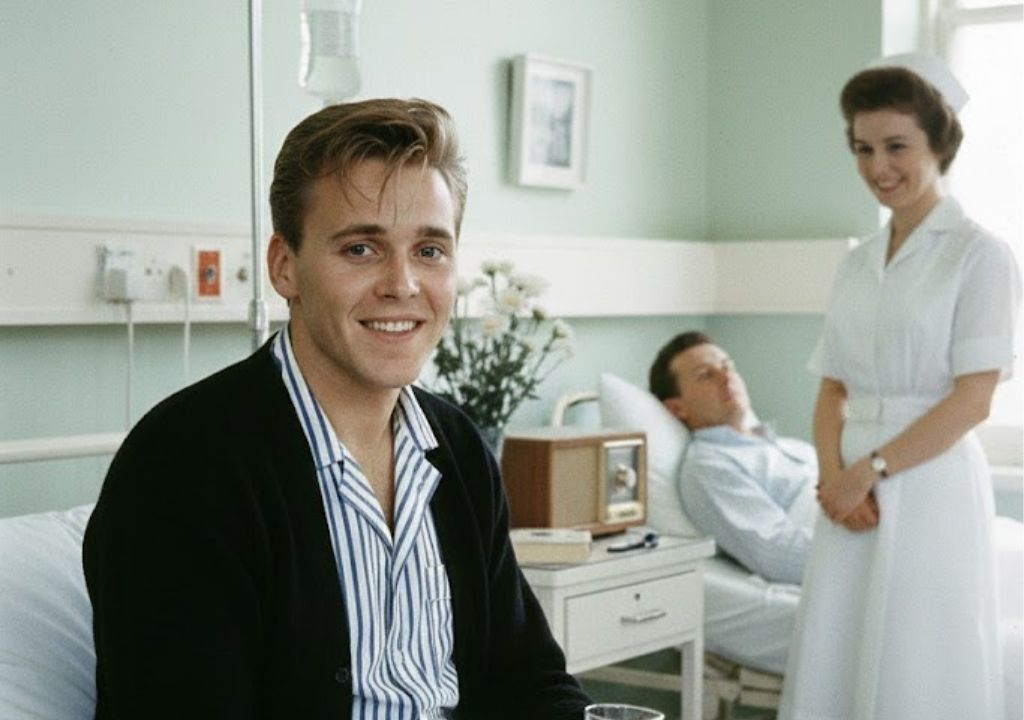
Introduction
Fear is usually a shadow, a vague sense of dread that haunts the edges of our consciousness. But for Billy Fury, fear had a uniform. It was starched, crisp, and blindingly white. While the rest of the world saw doctors as healers and hospitals as sanctuaries of recovery, the man who kicked open the door for British Rock and Roll saw them as torture chambers. We are not talking about a mild nervousness or the common anxiety of waiting for test results. We are talking about a visceral, primal terror—a phobia so intense that it reportedly caused the star to physically recoil, sweat, and panic at the mere glimpse of a physician’s coat.

To understand this paralyzing dread, we must perform an autopsy on his past. Long before the fame, the pompadour, and the gold lamé suits, Billy (then known as Ronnie Wycherley) was a prisoner of his own biology. Rheumatic fever stole his childhood, sentencing him to long, lonely stretches in the grim, industrial hospitals of post-war Britain. In those days, pediatric wards were not colorful places of comfort; they were sterile institutions of isolation. To a sickly six-year-old, the figure looming over the bed in a white coat wasn’t a savior; he was the jailer. He was the bringer of needles, the bearer of bad news, the authority figure who dictated that Ronnie couldn’t run, couldn’t play, and couldn’t go home to his mother.
This childhood trauma metastasized into adult PTSD. The smell of antiseptic, the squeak of rubber soles on linoleum, the blinding glare of fluorescent lights—these were sensory triggers that bypassed his logic and struck directly at his amygdala. It created a heartbreaking paradox: the man who possessed the bravado to command the stage and challenge the BBC’s censorship laws was reduced to a trembling child by the very people trying to save his life.

This phobia was not without consequence; it was a fatal flaw in his survival strategy. Reports suggest that Fury would downplay his symptoms, grit his teeth through angina attacks, and avoid check-ups simply to delay the inevitable return to the “house of pain.” He was playing a deadly game of hide-and-seek with his own failing heart, driven by a psychological scar that never healed. It paints a portrait of profound loneliness—a superstar adored by millions, yet utterly terrified of the one hand reaching out to help him, because to him, that hand looked like the one that had stolen his youth.