 By admin
Introduction
We’ll Never Find Another You – The Billy Fury Story
Billy Fury’s untimely death on 28 January 1983 marked the loss of one of Britain’s most charismatic and influential early rock stars. More than a chart-topping idol, Fury helped carve the path for generations of UK artists who followed. Beneath the provocative stage presence and the cool, striking image was a quiet, modest man who often felt overwhelmed by fame.
Born Ronald Wycherley on 17 April 1940, he grew up in Liverpool and left school at 15 to work on the docks. Drawn to the emotional honesty of country greats like Hank Williams, he began writing and performing his own songs at local events. In 1958, he recorded a six-track acetate at Percy Phillips’ Liverpool studio—just months before The Quarrymen famously did the same. The young singer covered several Elvis numbers and showcased his own composition, Love’s A-Callin’, revealing both his influences and his talent.
Everything changed when his mother sent those recordings to pop impresario Larry Parnes. Invited to meet him backstage in Birkenhead, the teen arrived with nothing more than a guitar and a few original songs. In a now-legendary moment, Parnes pushed the unsuspecting Wycherley onstage to perform for a full theatre. His natural charisma won over the crowd instantly—and Billy Fury was born.
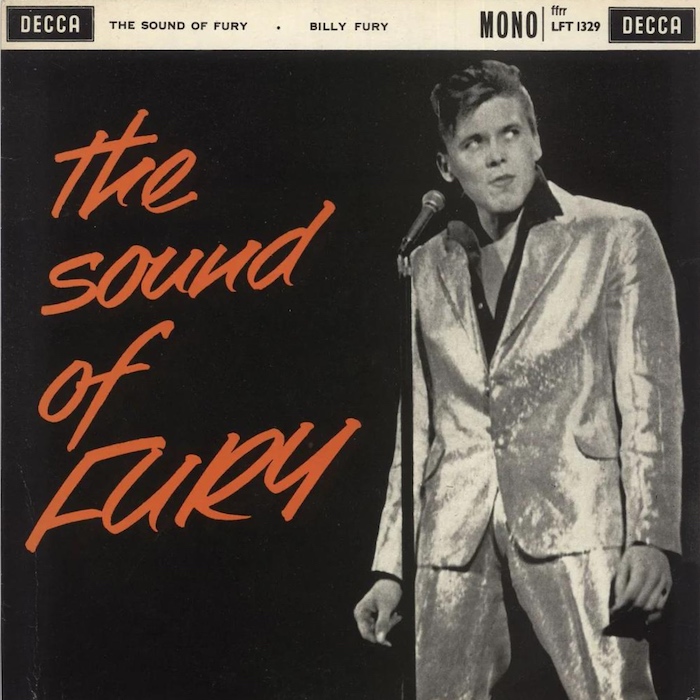
Under Parnes’ management, Fury quickly joined the ranks of Britain’s emerging rock’n’roll heroes. Though quiet and introverted offstage, he lit up every room he performed in, delivering hits like Maybe Tomorrow, Colette, Halfway to Paradise and Jealousy. His 1960 debut album, The Sound of Fury, a rarity in its time for being filled with original compositions, would later be hailed as one of the strongest British rock’n’roll albums ever released.

Colleagues remember him as intelligent, gentle and fiercely passionate about music. Even The Beatles, still in their early days as The Silver Beetles, auditioned to be his backing band. While they did not land the job, they remained admirers of the Liverpool star who had paved the way before them.
Yet behind the success, Fury battled lifelong health issues caused by childhood rheumatic fever. His heart condition often forced him to cancel shows, and by the 1970s he had undergone multiple major operations. Despite this, he made notable returns—appearing in films such as Play It Cool and delivering powerful performances in That’ll Be the Day.
By the early 1980s, whispers of a comeback surfaced as he began recording new material. Tragically, he died of a heart attack in 1983 at just 42 years old. Today, fans from around the world visit the bronze statue at Liverpool’s Albert Dock—an enduring reminder of a singer whose voice, humility and influence continue to resonate.
Billy Fury’s legacy lives not only in his music, but in every artist he inspired and every fan who still finds comfort in his songs.