 By admin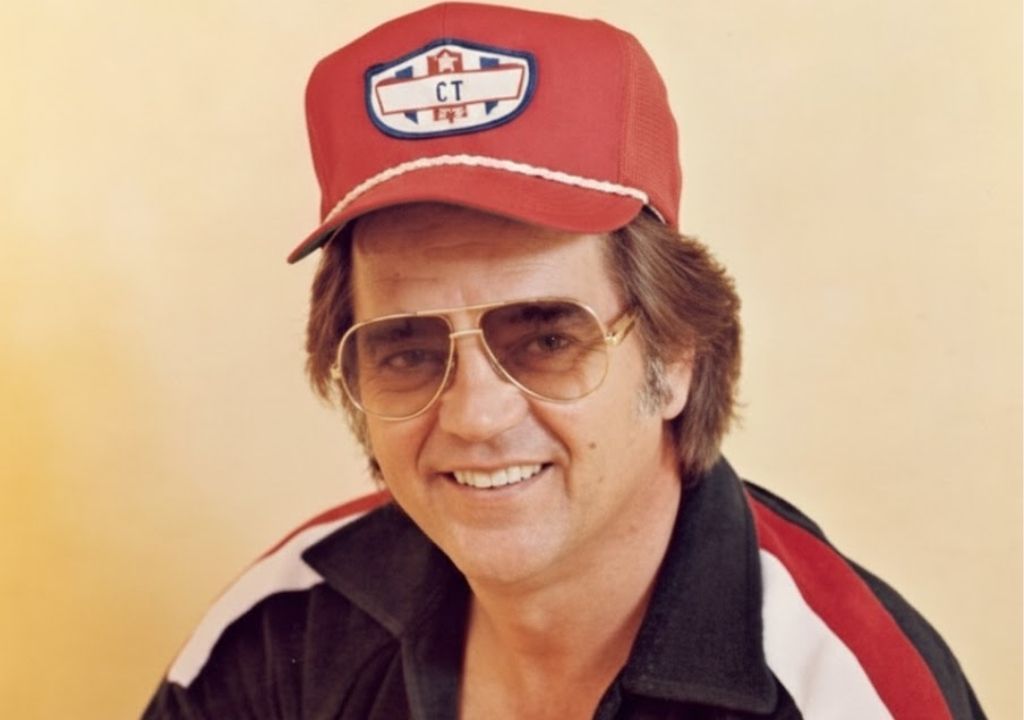

Introduction
The history of music is littered with “what ifs,” but none are as heartbreakingly sharp or physically tangible as the story of Harold Lloyd Jenkins. Before the world knew him as the velvet-voiced Conway Twitty, the man was not aspiring to be a singer. He was a gladiator in cleats. In the sticky heat of the late 1940s, Jenkins wasn’t holding a guitar; he was gripping a Louisville Slugger, his knuckles white, his eyes locked on a fastball. He was a physical specimen—a center fielder with a cannon for an arm and a batting average that made scouts sweat with excitement. This wasn’t a high school hobby. This was the real deal.
The Philadelphia Phillies saw the future in him. They didn’t just see a kid from Mississippi; they saw a franchise player. The contract was on the table. The ink was ready to be spilled. The path was crystal clear: Harold Jenkins was going to the Major Leagues. He was destined for stadiums, World Series rings, and baseball cards. The dream was so close he could smell the freshly cut grass of Shibe Park. He was literally days away from signing his life away to America’s pastime.

But fate is a cruel, cynical scriptwriter. Just as the door to professional sports swung open, it was slammed shut by the dull thud of a government stamp. The Draft. The Korean War was hungry for bodies, and it didn’t care about batting averages. The letter arrived with the terrifying simplicity of a guillotine drop: Greetings. In a heartbeat, the contract with the Phillies dissolved into smoke. Harold Jenkins traded his baseball uniform for olive drab fatigues. He traded his bat for an M1 Garand rifle.
The tragedy of the situation is staggering. Most stars fight for years to get their big break; Harold had his big break stolen from him at gunpoint. He was shipped off to the Far East, his athletic prime wasted on marches and drills. Yet, it was in this wreckage of a dream that a new mutation occurred. While stationed in Japan, deprived of baseball, he began to listen to the radio. He heard the early tremors of rock and roll. If the Army hadn’t dragged him away, he would have been an outfielder, likely retiring in the 60s as a sports statistic. Instead, the void left by baseball was filled by a burning need to perform. The draft killed the athlete, but it accidentally birthed the “High Priest of Country Music.” It forces us to ask: was the war a tragedy for him, or a divine intervention for us?