 By admin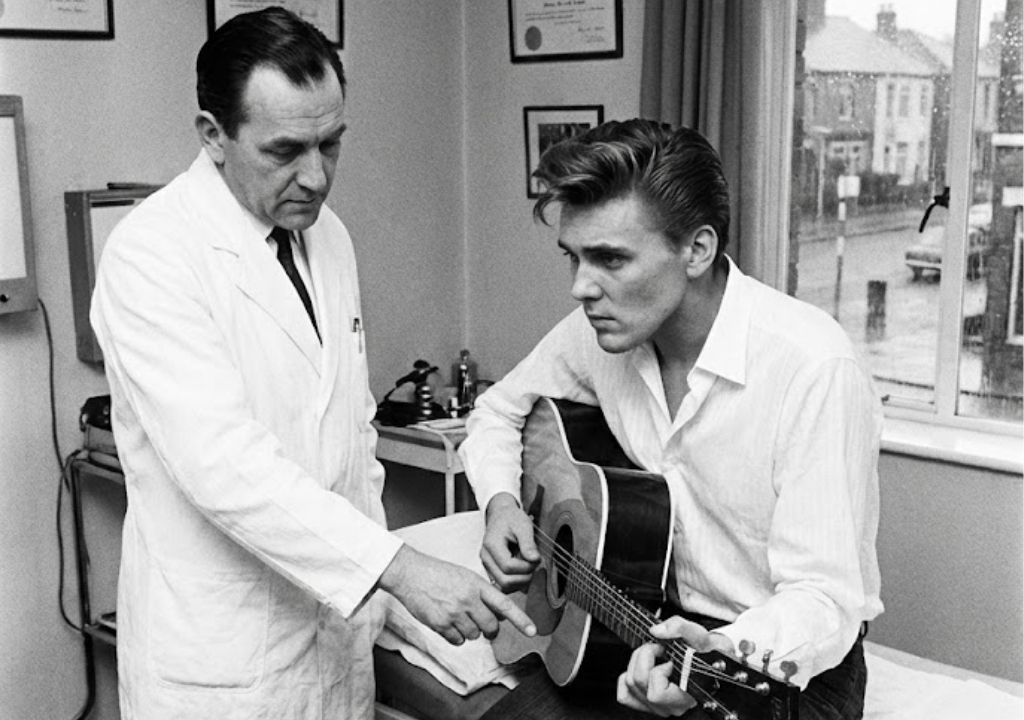

Introduction
There is a specific sound that haunts the legacy of British Rock ‘n’ Roll. It isn’t the strum of a guitar or the scream of a teenage girl. It is the terrifying, ragged rhythm of a heart that was never meant to survive adulthood. Billy Fury, the man who rivaled Elvis in hips and hysteria, was walking around with a biological time bomb in his chest. And the most terrifying part? He knew exactly when it was going to detonate.

The scene in the doctor’s office was not a consultation; it was an intervention. The medical experts looked at the X-rays of the man born Ronald Wycherley and turned pale. Rheumatic fever had ravaged his body as a child, leaving his heart valves in tatters. The diagnosis was absolute, brutal, and non-negotiable: Stop. Stop the touring. Stop the screaming. Stop the sex symbol antics. If you step on that stage again, you are effectively pulling the trigger of a loaded gun pointed at your own chest.
Most men, faced with the void of premature death, would retreat to the safety of a quiet life. They would choose breathing over billing. But Billy Fury was not like most men. He looked at the white-coated gods of medicine and spat in the face of their logic.
He chose the “suicide tour.”
Every time Billy walked out from the wings, he was committing a slow-motion act of self-destruction. The sweat pouring down his face wasn’t just showmanship; it was his body screaming in agony. The breathless gasps between verses weren’t for dramatic effect; they were the sounds of a circulatory system collapsing under the weight of fame. He traded years of life for minutes of adoration. He treated his mortality like a cheap currency, spending it recklessly on one more encore, one more ovation, one more moment of feeling alive while he was slowly dying.

Why? Was it ego? Was it addiction? or was it the terrifying realization that Ronald Wycherley didn’t exist without Billy Fury? He feared the silence of a normal life more than he feared the coffin. The tragedy of Billy Fury is not that he died young. The tragedy is that he looked Death in the eye, saw the reaper waiting in the front row, and decided to sing him a love song. He didn’t just die for the music; he was sacrificed on its altar, a willing victim who traded his heartbeat for the charts.