 By admin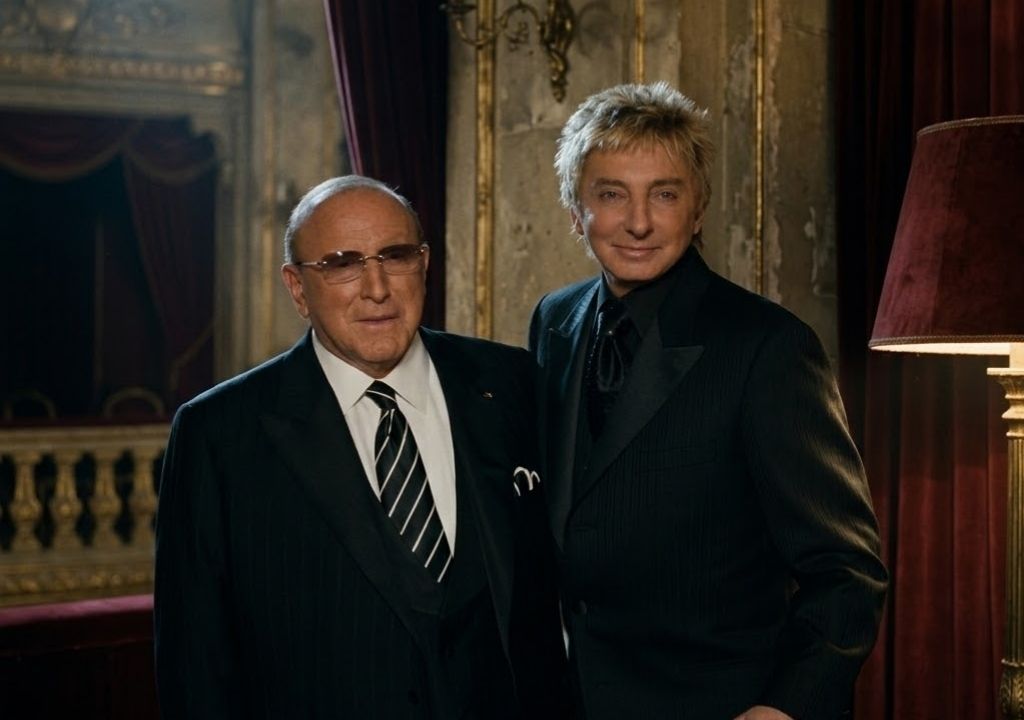
INTRODUCTION
In the autumn of 1974, inside a sterile recording booth in Midtown Manhattan, a fledgling label named Arista Records held its breath as a single piano refrain echoed through the studio monitors. Barry Manilow, a meticulous jingle writer and Bette Midler’s former musical director, was about to face the uncompromising creative vision of Clive Davis. This was not merely a standard contract signing; it was the genesis of a paradigm that would redefine the American pop landscape through a delicate, often friction-filled, partnership. The stakes were absolute: Davis needed a foundational hit to launch his new empire, and Manilow needed a path out of the shadows of the cabaret circuit.
THE DETAILED STORY
The narrative of Arista Records is inseparable from the meticulous guidance Clive Davis exerted over his premier artists. While Manilow possessed an innate gift for arrangement and a rare, theatrical charisma, Davis held the ultimate veto—the “ear” that dictated which melodies would conquer the Billboard Hot 100. The tension between the two surfaced immediately during the production of “Mandy.” Manilow, initially resistant to recording a cover song he had not written, found himself at a creative crossroads. Davis recognized a potential $1.00 single where the artist saw a compromise of his singer-songwriter identity.

This friction established the template for their decade-long dominance. Davis was the architect, identifying the raw materials of a hit, while Manilow was the master craftsman, shaping those materials into something that felt deeply personal to millions of listeners. As the hits—”I Write the Songs,” “Looks Like We Made It,” and “Copacabana”—mounted, the pressure to maintain Arista’s financial momentum intensified. Davis wasn’t just a mentor; he was a relentless curator of a commercial empire. Every chorus was scrutinized for its “hook” potential, and every television special was calculated for maximum emotional resonance within the American household.
This symbiosis created a unique psychological landscape where Manilow’s artistic identity was often harmonized with the broader “Manilow Brand.” The pressure was not merely about sales, but about the inevitable evolution of a performer under the microscope of a mogul who viewed music as a series of definitive, high-stakes decisions. Davis provided the infrastructure and the platinum-certified material, while Manilow provided the soul and the technical brilliance. Yet, beneath the staggering volume of gold records lay a nuanced question of autonomy. The relationship remained a study in professional gravity, proving that in the entertainment industry, the most enduring legacies are often forged in the heat of profound, structured pressure.