 By admin
Introduction
The recording studios of Nashville are often characterized by a specific, calculated resonance—a marriage of mahogany acoustics and the precise placement of microphones. For decades, one of the most essential frequencies within those walls belonged to John Wesley Ryles. On November 2, 2025, that frequency fell silent at the age of 74. While the headlines of history often reserve their boldest ink for the charismatic frontmen, the passing of Ryles marks the disappearance of a vital architectural pillar in the structure of American country music.
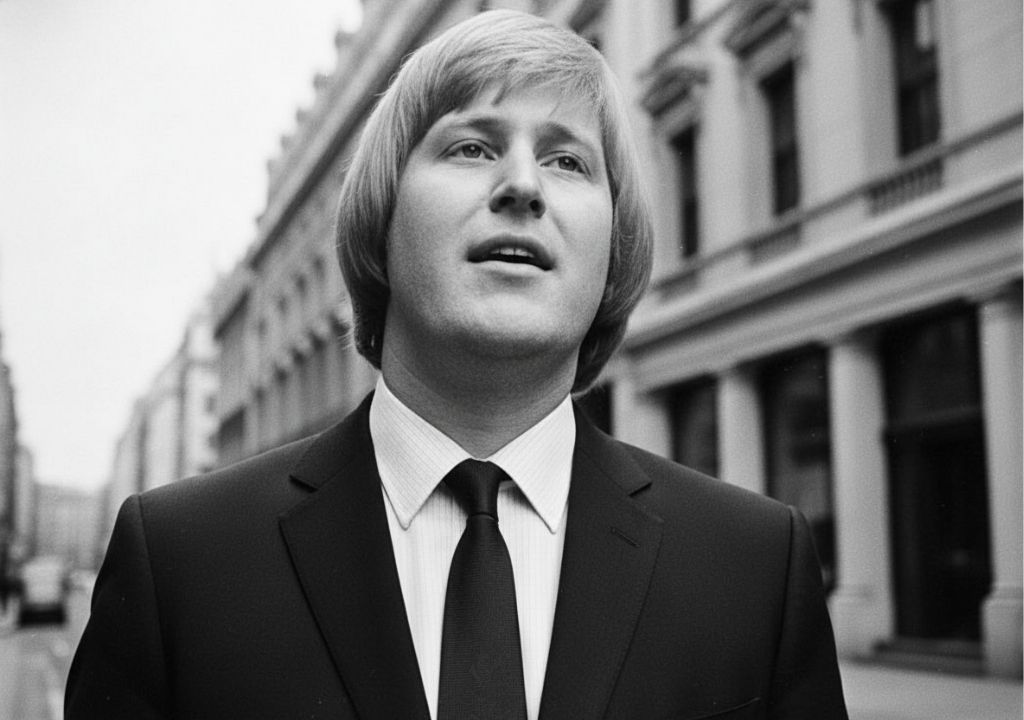
Ryles’ narrative is not merely one of proximity to greatness, but of a profound, symbiotic excellence. To the casual observer, he was the son-in-law of the legendary Conway Twitty, married to Twitty’s daughter, Joni. Yet, to characterize him solely through the lens of family ties is to overlook a technical and artistic mastery that redefined the “Nashville Sound.” Ryles did not just exist within the orbit of a star; he provided the gravity that kept the celestial body in place.
His journey began with a precocious brilliance. In 1968, at the age of 17, Ryles released “Kay,” a track that showcased a vocal range of such nuance and maturity that it seemed to bypass the typical adolescence of a recording artist. However, the industry’s trajectory is rarely linear. As the decades progressed, Ryles pivoted from the flickering spotlight of a solo career to a role of much greater permanence: the primary architect of harmony. In the studio, Ryles possessed a preternatural ability to anticipate the vocal inflections of Conway Twitty, weaving a tapestry of background vocals that became indistinguishable from the core of the songs themselves.
This partnership transcended the traditional boundaries of a background vocalist. Ryles understood the “Twitty DNA” with a meticulous intimacy. This understanding became paramount following Twitty’s untimely passing in 1993. It was Ryles who stepped into the role of the ultimate custodian, overseeing the production and editing of archival releases. This was not a task of simple compilation; it was an act of high-stakes historical restoration. Every unreleased track and every remaster required a deep, analytical knowledge of Twitty’s artistic intent—a nuance that only someone who had lived within the music could possess.
The loss of John Wesley Ryles represents a rupture in the connective tissue of a specific era. He was a bridge between the raw, emotive storytelling of the 20th-century honky-tonk and the sophisticated, polished production of the modern age. His contribution reminds us that the “Music of Writing”—and by extension, the music of legacy—is often written in the margins. He was the silent partner in a hundred hits, the man who ensured that the echo of a legend never lost its clarity.
In an industry often obsessed with the “new,” Ryles dedicated the latter half of his life to the “eternal.” He understood that preservation is a form of creation. As the country music community reflects on his departure, the narrative remains clear: the greatest voices are often those that choose to harmonize rather than drown out the world. His legacy is etched not just in the records he sold, but in the silence he filled so perfectly for so long.