 By admin
INTRODUCTION
May 10, 1960. A nondescript rehearsal room in Liverpool becomes the site of a profound collision between the established order and the coming storm. The Silver Beetles—a raw, unpolished quintet featuring Lennon, McCartney, and Harrison—auditioned for Larry Parnes, the impresario managing the city’s brightest star, Billy Fury. While the band sought a slot as Fury’s backing group, the encounter underscored a fundamental truth: before the “Fab Four” could conquer the global stage, they first had to navigate a landscape already terraformed by Fury’s singular success. This moment was not merely an audition; it was the passing of an invisible baton in the meticulously constructed relay of British rock and roll history.
THE DETAILED STORY
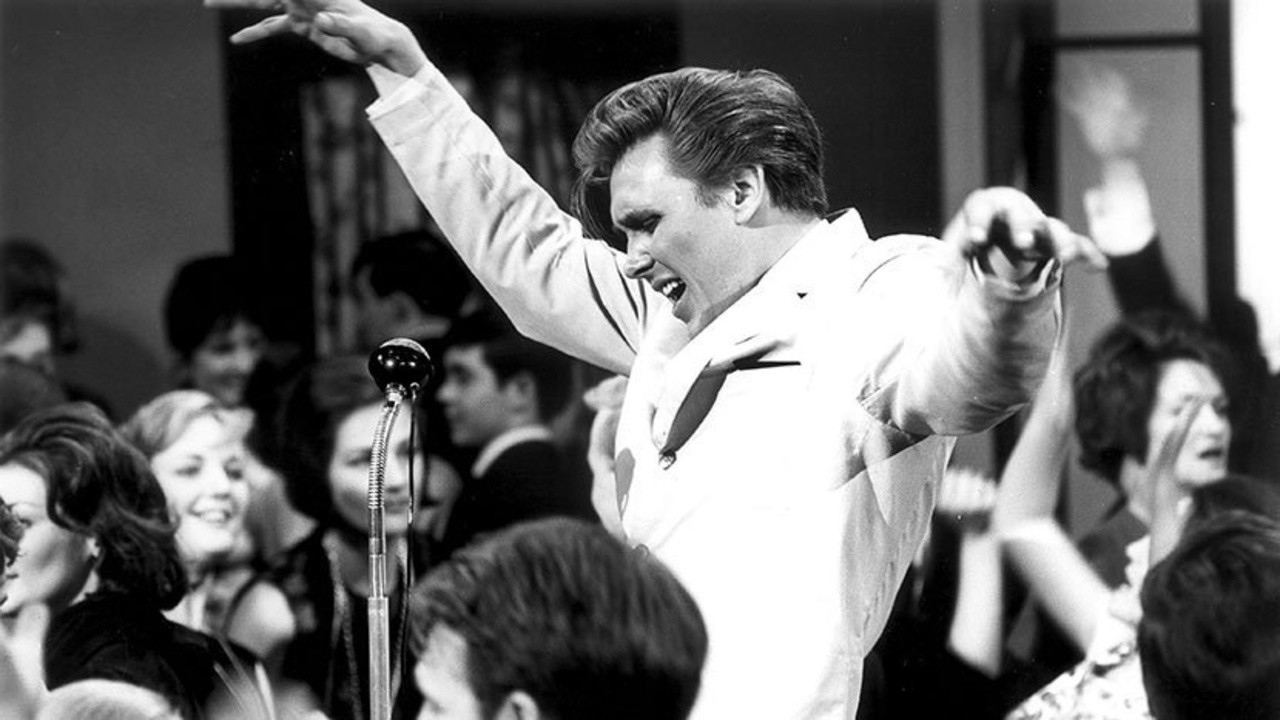
The narrative of the British Invasion often begins with the arrival of four young men in New York, yet the structural integrity of that movement was built upon the foundation laid by Ronald Wycherley. Fury was the first Liverpudlian to achieve the status of a national phenomenon, effectively proving that the industrial North could export high-caliber talent to the capital. This paradigm shift was meticulous in its execution. Fury did not merely interpret the hits of others; he composed his own material, a rarity for the 1950s that provided a crucial template for the Lennon-McCartney songwriting partnership. His vulnerability on stage offered a sophisticated alternative to the aggressive posturing of his contemporaries, creating a psychological space that the Beatles would later inhabit and expand with unprecedented nuance.

The influence was not merely stylistic but deeply logistical. Fury’s success necessitated a sophisticated touring circuit and a professionalization of the Mersey music scene that had previously been relegated to local skiffle basements. John Lennon famously queued for Fury’s autograph, an act that symbolized a deep-seated respect for the man who had turned a local accent into a national asset. By the time the Beatles emerged from the Cavern Club, the path to London—and by extension, the world—had already been cleared of its most formidable obstacles. The shift from the solo idol to the collective power of the band was the inevitable evolution of the seeds Fury had planted in the fertile soil of the Dingle.
In the grand narrative of musical history, Fury remains the vital link between the rockabilly fire of the late 1950s and the sophisticated pop structures of the 1960s. He was the catalyst that transformed Liverpool from a maritime port into a cultural epicenter. As the world celebrates the enduring legacy of the Beatles, one must recognize that their trajectory was influenced by the gravity of Fury’s earlier orbit. He was the silent mentor of the Mersey sound, a figure whose shadow remains long and whose contribution is woven into the very fabric of every melody that followed his pioneering lead.