 By admin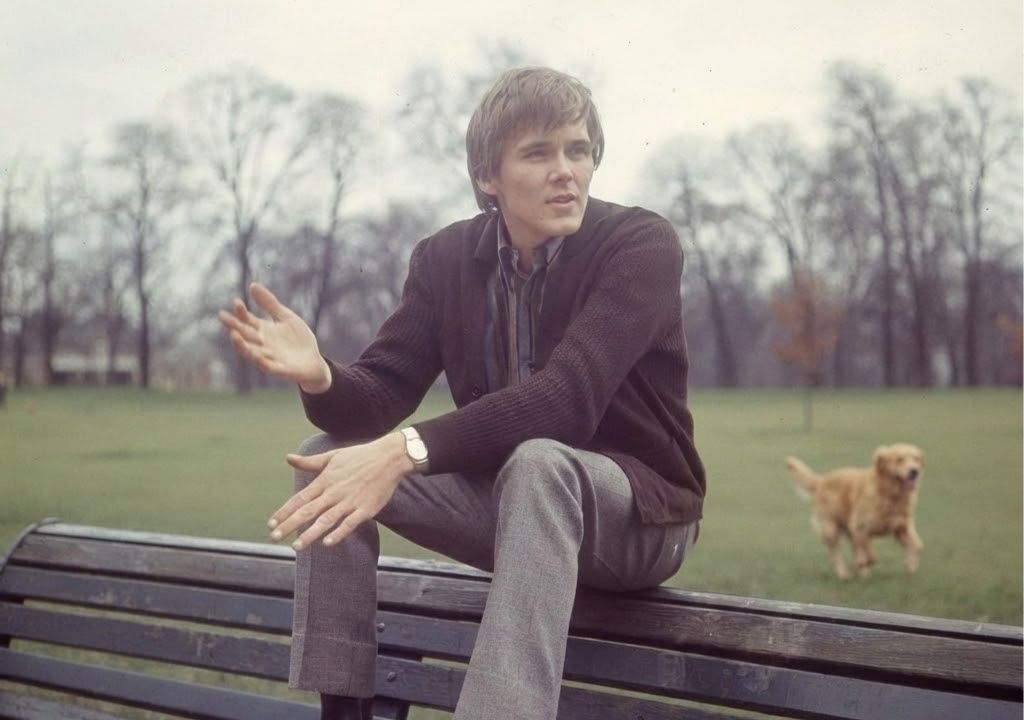

INTRODUCTION
In 1946, within the stark, sterile confines of a Liverpool infirmary, a six-year-old Ronald Wycherley was handed a diagnosis that functioned as a biological ultimatum. The rheumatic fever that ravaged his system left behind a permanently scarred heart, a condition that medical professionals of the era suggested would preclude a long or strenuous life. For most, such a prognosis would dictate a sedentary existence defined by caution; for the boy who would become Billy Fury, it served as the silent, driving engine of a meticulous career. This fundamental tension—the vibrant, kinetic energy of a rock and roll icon versus the delicate machinery of his own cardiovascular health—became the defining paradigm of his existence.
THE DETAILED STORY
The emergence of Billy Fury in the late 1950s was not merely a triumph of talent, but a sophisticated victory of willpower over physical constraints. While his contemporaries often leaned into high-octane, athletic showmanship, Fury’s performances were characterized by a smoldering, restrained intensity. This was a choice dictated as much by necessity as by aesthetic; he had to curate his movements with precision to manage his limited physical reserves. In doing so, he inadvertently pioneered a new brand of vulnerability in the pop music landscape. The nuance of his delivery in hits like “Wondrous Place” offered a stark contrast to the bravado of the era, suggesting a depth of character that resonated with an audience sensing the genuine stakes of his presence.

Throughout the height of his fame, the reality of his condition remained a meticulously guarded secret, known only to his inner circle. This concealment was not born of shame, but of a desire to let the artistry stand independent of pity. By the time he underwent major heart surgery in 1971 and again in 1976, the narrative of his resilience had become inseparable from his professional legacy. Each time the industry prepared for his inevitable exit, Fury returned, his voice retaining a crystalline purity that seemed to defy the gradual attrition of his health. His ability to navigate the demanding cycles of recording and performance while managing a terminal condition required a level of discipline that few in the industry could fathom.
Ultimately, Fury’s life serves as a masterclass in the human capacity to renegotiate the terms of one’s destiny. He did not merely “cope” with a heart condition; he integrated that fragility into a persona that was both powerful and hauntingly accessible. His trajectory suggests that the most enduring legacies are often forged not in the absence of struggle, but in the deliberate, daily choice to transcend it. In the final estimation, his career was a $100 million-plus contribution to the cultural economy of British music, yet its true value remains unquantifiable—a testament to the fact that the spirit can often sustain the body far beyond the expectations of science.