 By admin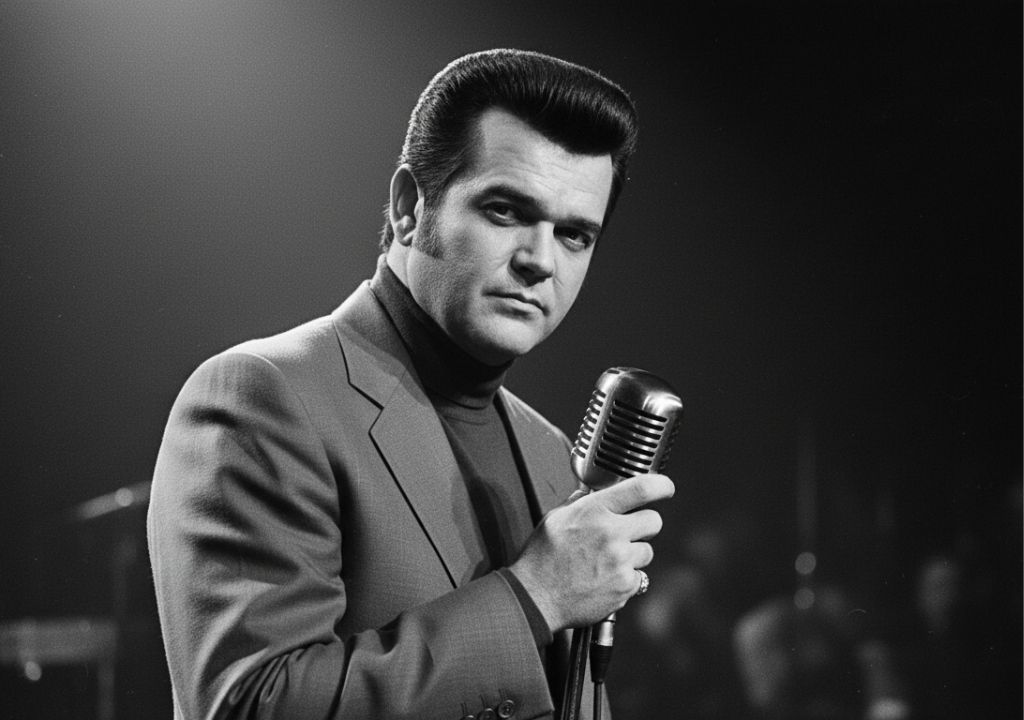
INTRODUCTION
On January 19, 1980, a velvet-voiced baritone resonated across the Nashville airwaves, carrying a title that felt dangerously close to the edge of conservative propriety for the era. The song was “I’d Love to Lay You Down,” a track that would soon become the twenty-fourth number-one hit for the man often heralded as the “High Priest of Country Music.” To the casual listener tuning in via a transistor radio, the chorus suggested a bold, perhaps even scandalous, solicitation. However, beneath the surface of its seductive cadence lay a meticulous narrative of enduring domesticity, challenging the very paradigm of the three-minute country radio hit.
THE DETAILED STORY
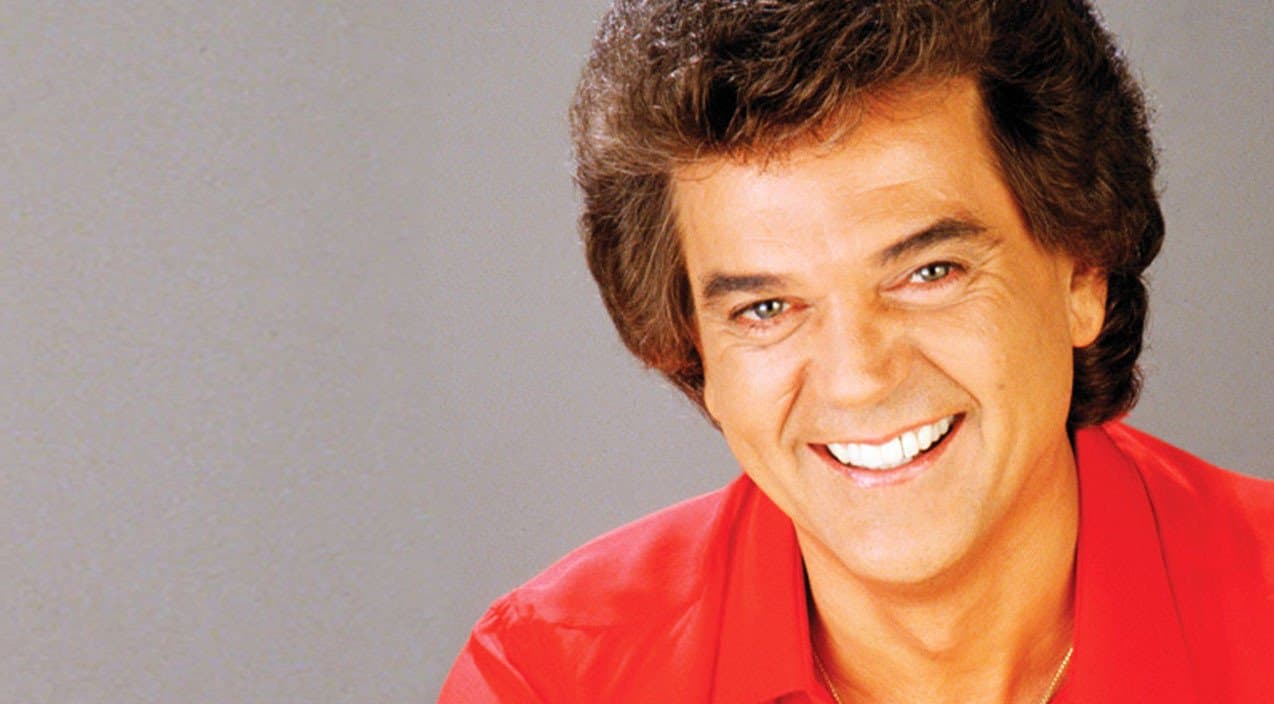
The cultural tension surrounding the song originated from a fundamental disconnect between its titular hook and its lyrical substance. Written by the seasoned songwriter Johnny MacRae, the track was initially perceived by radio programmers as a departure into the “outlaw” or “urban cowboy” sensuality that was beginning to permeate the industry. Critics and some segments of the audience instinctively categorized it as a “one-night stand” anthem—a staple of the honky-tonk tradition. Yet, this interpretation ignored the nuance of MacRae’s prose and Twitty’s deliberate, soulful delivery.
When one examines the verses with the precision of a literary critic, the narrative shift becomes inevitable. The song does not depict a chance encounter in a dim-lit bar; rather, it serves as a sophisticated monologue directed toward a lifelong partner. The lyrical progression moves from the physical attraction of the present to a vivid, almost cinematic projection of the future. By referencing “silver hair” and the quiet dignity of “rocking chairs,” the song pivots from mere desire to a profound meditation on the evolution of intimacy. It posits a radical thesis for the time: that the spark of youth is not a prerequisite for passion, but rather a foundation for a love that matures alongside the human form.

Conway Twitty’s genius lay in his ability to inhabit this paradox. He understood that the “High Priest” persona required a delicate balance of magnetism and morality. By choosing to record a song that sounded like a seduction but read like a vow, he captured the complexity of the human condition. The success of the single—reaching the top of the Billboard Hot Country Singles chart in a matter of weeks—validated this artistic risk. It proved that the American audience was capable of embracing a more sophisticated portrayal of romance, one where the inevitable passage of time does not diminish the intensity of the bond.
Ultimately, “I’d Love to Lay You Down” stands as a masterclass in narrative subversion. It remains a cornerstone of Twitty’s legacy, not because it pushed the boundaries of decency, but because it elevated the standard for how country music treats the sanctity of the long-term union. It serves as a reminder that the most resonant stories are often those that hide their deepest truths in plain sight, waiting for the listener to look beyond the headline to find the heart.
Video: Conway Twitty – I’d Love to Lay You Down