 By admin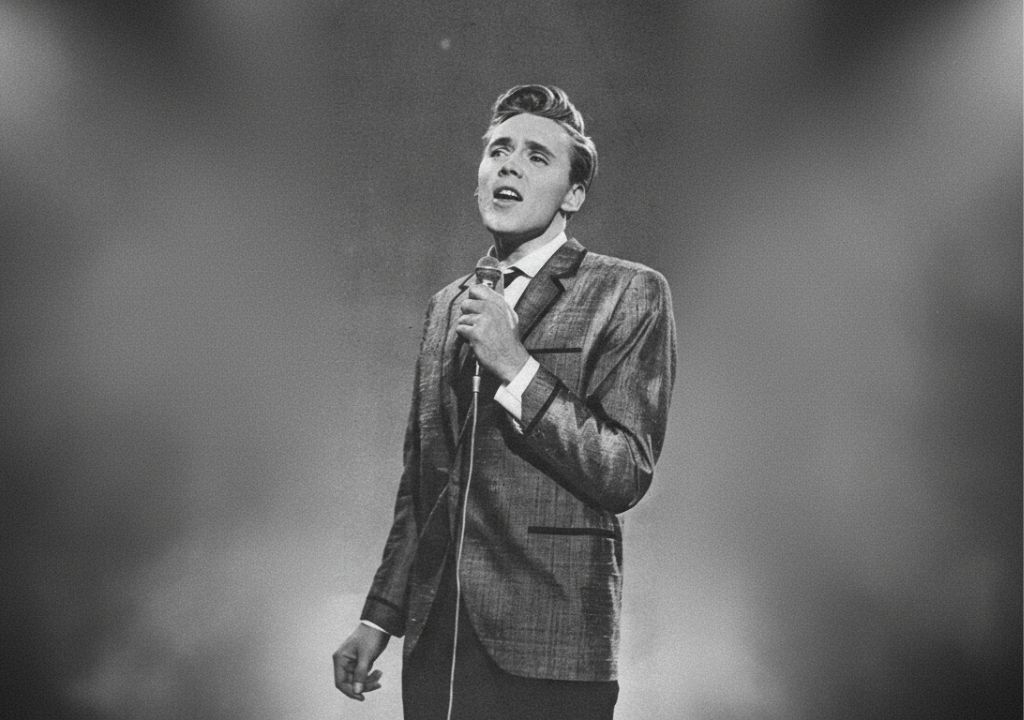
INTRODUCTION
The velvet curtains of the Essoldo Cinema in 1960 did more than just reveal a performer; they unveiled a man engaged in a profound, rhythmic negotiation with his own mortality. Ronald Wycherley, the man the world would come to know as Billy Fury, stood as a stark contrast to the boisterous rock and roll archetypes of his era. While his contemporaries projected an aura of invincibility, Fury’s magnetism was rooted in a sophisticated, almost ethereal vulnerability. This was not a manufactured aesthetic, but a byproduct of a childhood bout with rheumatic fever that had left his heart permanently compromised. For Fury, the stage was not merely a platform for fame, but a sanctuary where the ephemeral nature of life was distilled into three-minute symphonies of yearning and resilience.
THE DETAILED STORY

The narrative of Billy Fury is often framed through the lens of his persistent conviction that his time was limited, a sentiment he began articulating with striking clarity as he entered his twenties. To the casual observer, this might have appeared as a preoccupation with the macabre; however, through a more analytical perspective, it reveals a meticulous commitment to living with existential intentionality. By the time he reached the age of 20 in 1960, Fury was already a charting sensation, yet he reportedly spoke of his future in terms of years rather than decades. This awareness did not lead to a retreat from the world but served as a catalyst for a period of creative productivity that would rival the most storied careers in British music history.
Throughout the early 1960s, Fury’s chart presence was formidable, eventually matching a record held by The Beatles for the most total weeks on the UK charts within a single decade. His success was built on a paradigm of “sound and fury” that was surprisingly disciplined. He navigated the grueling schedules of the Parnes circuit with a quiet stoicism, aware that every high-energy performance carried a physical tax. His 1960 debut album, The Sound of Fury, is now regarded by critics as one of the most authentic rockabilly records produced outside of the United States, characterized by a nuance and emotional depth that transcended the standard pop fare of the day.

This sense of a finite horizon instilled his work with a gravitas that felt inevitable. While other artists of the “British Beat” boom were focused on the exuberance of youth, Fury’s ballads, such as “Halfway to Paradise,” resonated with a mature understanding of transience. He invested his earnings—often measured in the thousands of dollars—into a quiet life as a naturalist, finding solace in the observation of birds and the preservation of the English countryside. It was as if he were meticulously curating a legacy of peace to offset the internal volatility of his health.
When he eventually passed in January 1983 at the age of 42, he had outlived his own early predictions by over a decade. His life serves as a testament to the idea that an awareness of one’s limits can act as a powerful engine for excellence. Fury did not just predict an ending; he spent twenty years ensuring that when the music finally stopped, the silence would be filled with the weight of a monumental contribution.