 By admin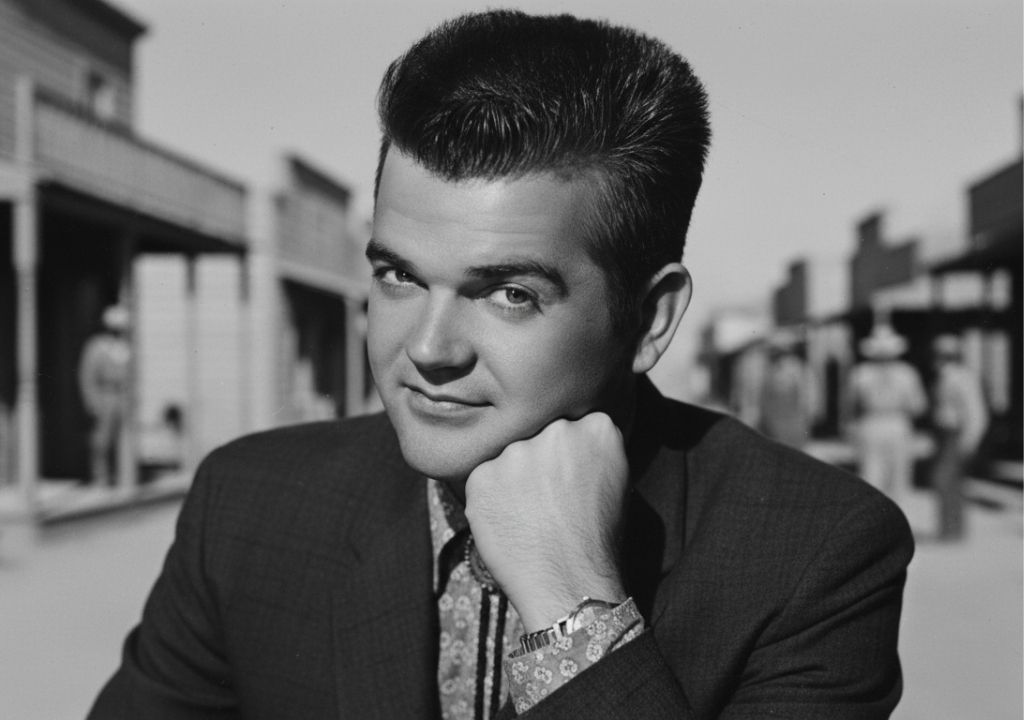
Introduction
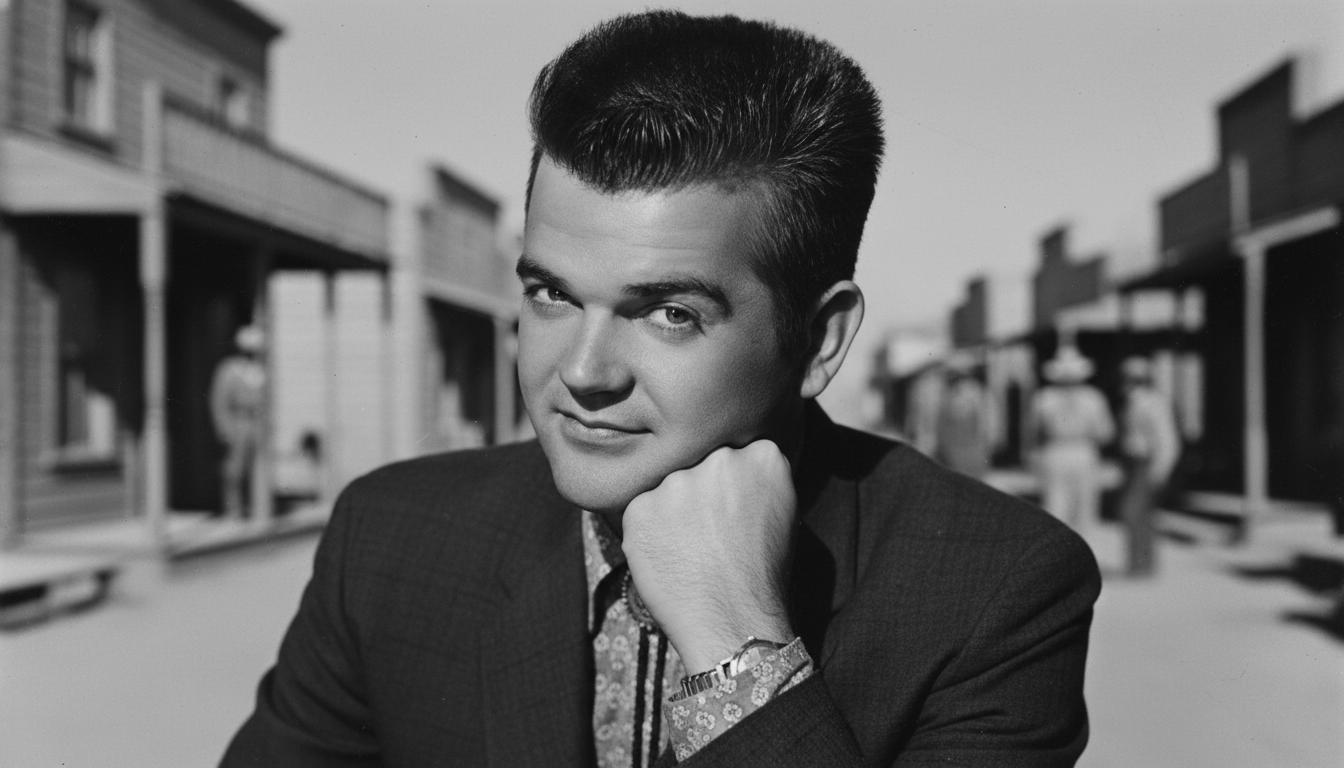
The Hollywood of 1960 was a landscape defined by a relentless, industrial hunger for the burgeoning youth market. Into this neon-lit machine stepped Harold Lloyd Jenkins—rechristened as Conway Twitty—a performer who possessed a baritone of such resonant gravity that he was briefly positioned as the primary rival to the Presley paradigm. While history predominantly remembers him as a titan of country music, his early years were marked by a curious, meticulous foray into the world of “B-movies,” a brief period where the artifice of the silver screen attempted to co-opt his rockabilly magnetism.
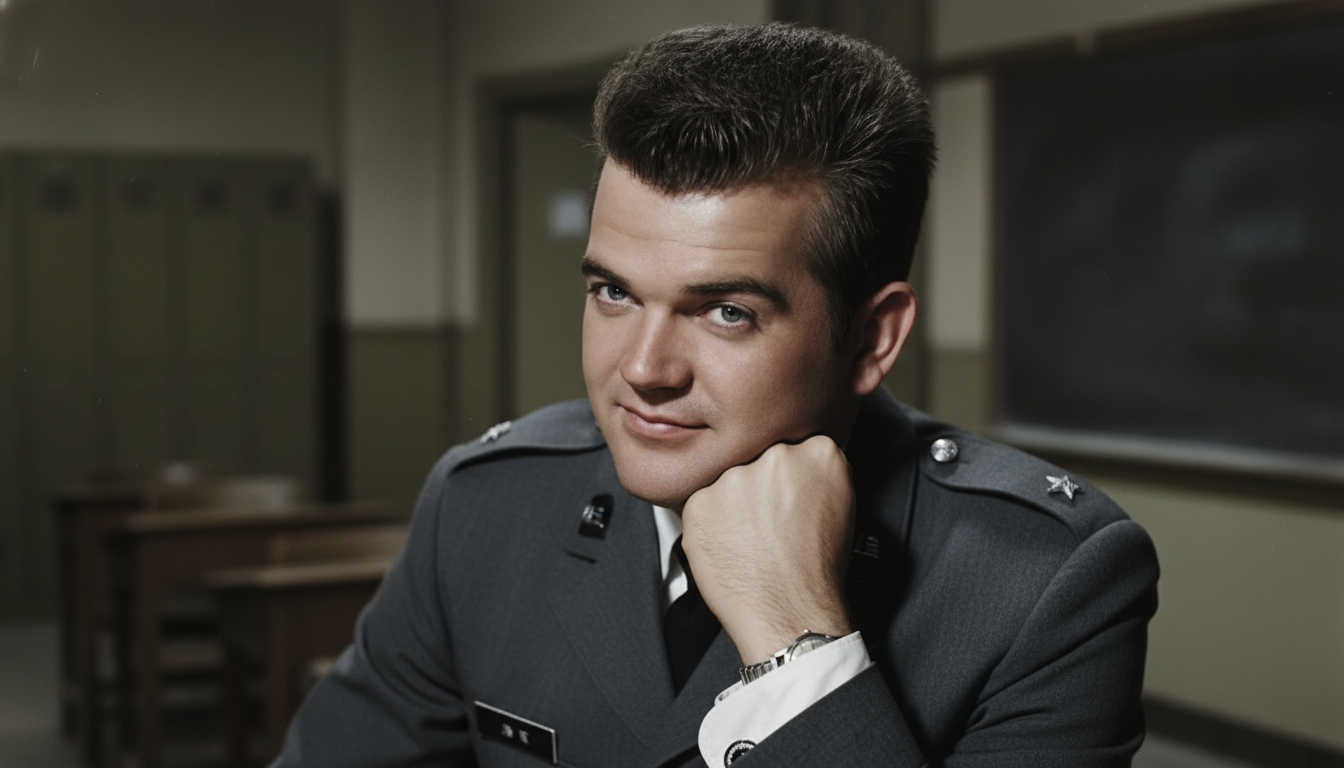
The core of Twitty’s cinematic legacy resides in a trilogy of films released in 1960: Sex Kittens Go to College, Platinum High School (also known by the evocative title Trouble at 16), and College Confidential. These were not prestige dramas but rather high-octane “teen exploitation” features, designed to capitalize on the transient trends of the era. In Platinum High School, Twitty found himself sharing the frame with Hollywood veteran Mickey Rooney. The film was a stark, stylized look at a military academy, where Twitty was tasked with balancing his natural musicality with a dramatic role that hinted at a potential career as a serious actor. Yet, the narrative tension of these films often relied on the inherent contradiction of his presence: he was a man of profound vocal authority caught in the midst of often absurd, low-budget plotlines.
In College Confidential, Twitty portrayed the character of “Marvin,” a role that allowed him to demonstrate a “meaty acting” capacity beyond mere musical interludes. Sharing the screen with Mamie Van Doren and Steve Allen, Twitty navigated a script that explored the social friction of the campus environment, contributing the original song “College Confidential Ball” to the production. This period of his career was defined by a specific nuance; while he was clearly a “teen idol” archetype, there was an underlying stoicism in his performances that suggested a man who viewed the machinery of fame with a healthy skepticism. He was not merely a passive participant; he often wrote the title and soundtrack songs for these films, asserting a level of creative control that was rare for a newcomer in the studio system.
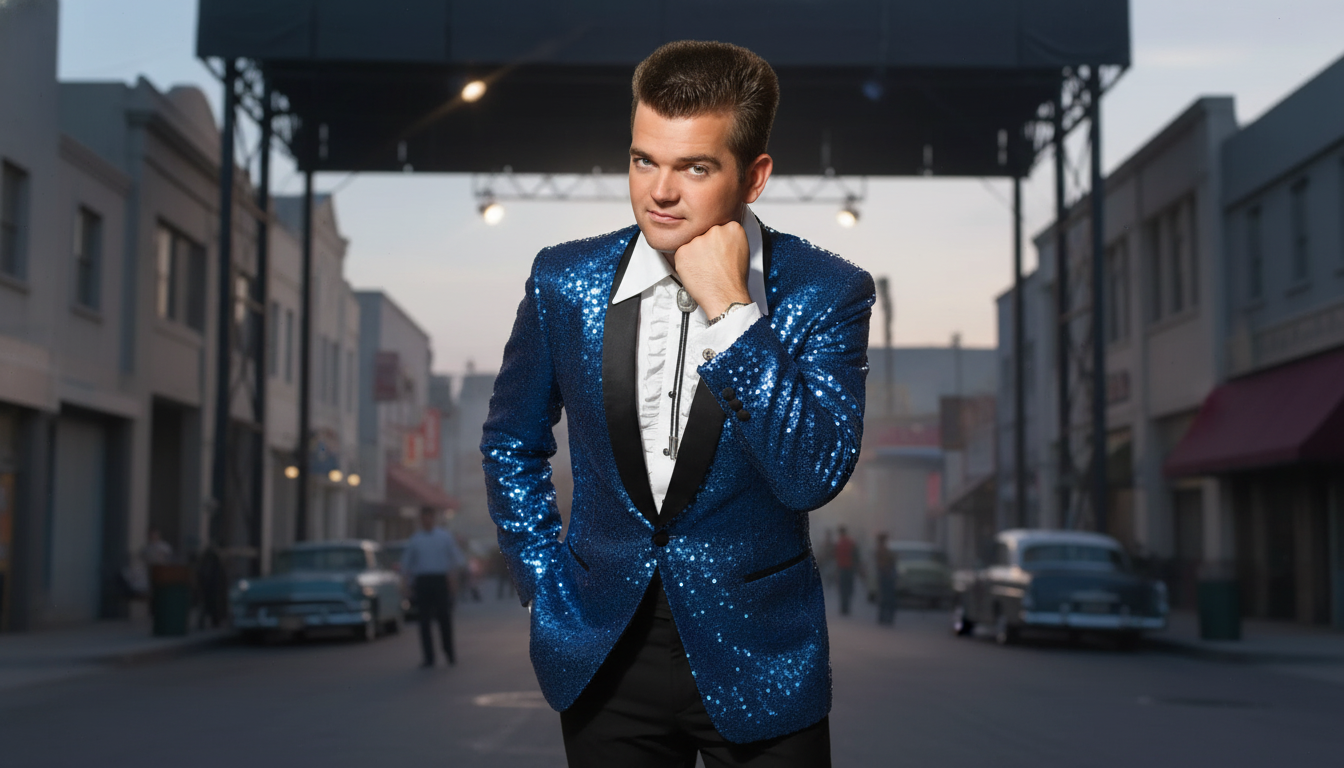
The inevitable shift in Twitty’s trajectory occurred as the “B-movie” era began to wane. The industry’s attempt to mold him into a cinematic icon reached a symbolic peak with the development of the Broadway musical and film Bye Bye Birdie. The central character, “Conrad Birdie,” was a direct linguistic play on Twitty’s name, yet in a move that defined his personal integrity, Twitty declined the lead role. He chose instead to retreat from the artificial glare of Hollywood to pursue his first love: country music. This resolution was not a failure of ambition, but a meticulous realignment of his artistic soul. The films he left behind serve as a fascinating “Information Gap,” capturing a version of Twitty that exists in a state of suspended animation—a rockabilly rebel caught between the artifice of the studio lot and the authentic resonance of the Nashville stage.