 By admin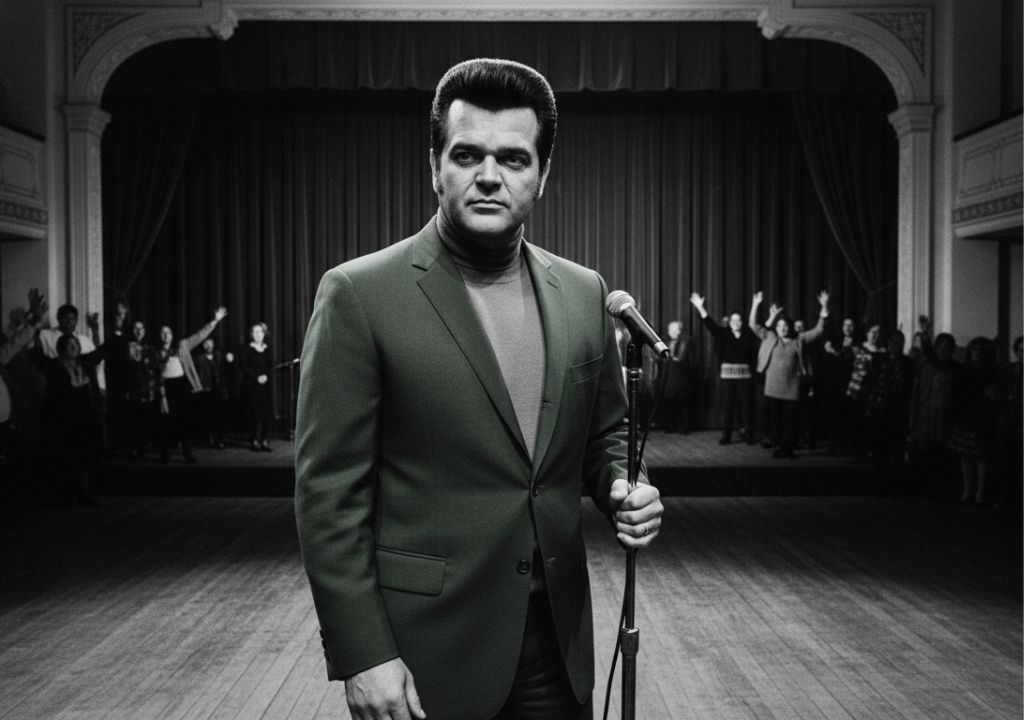
INTRODUCTION
By the autumn of 1973, the airwaves of the American South had become a battlefield for the soul of country music. When the opening notes of “You’ve Never Been This Far Before” began to circulate, the reaction was swift and polarizing: dozens of radio stations across the Bible Belt pulled the track from their rotations, labeling the lyrics an affront to public decency. This was not merely a dispute over airplay; it was a cultural collision between the region’s rigid moral architecture and a man who understood the nuances of the human spirit better than most of his critics. For the Southern religious establishment, the emergence of a “sexy gentleman” within their most cherished genre presented an uncomfortable paradigm shift that challenged the traditional boundaries of the sacred and the profane.
THE DETAILED STORY
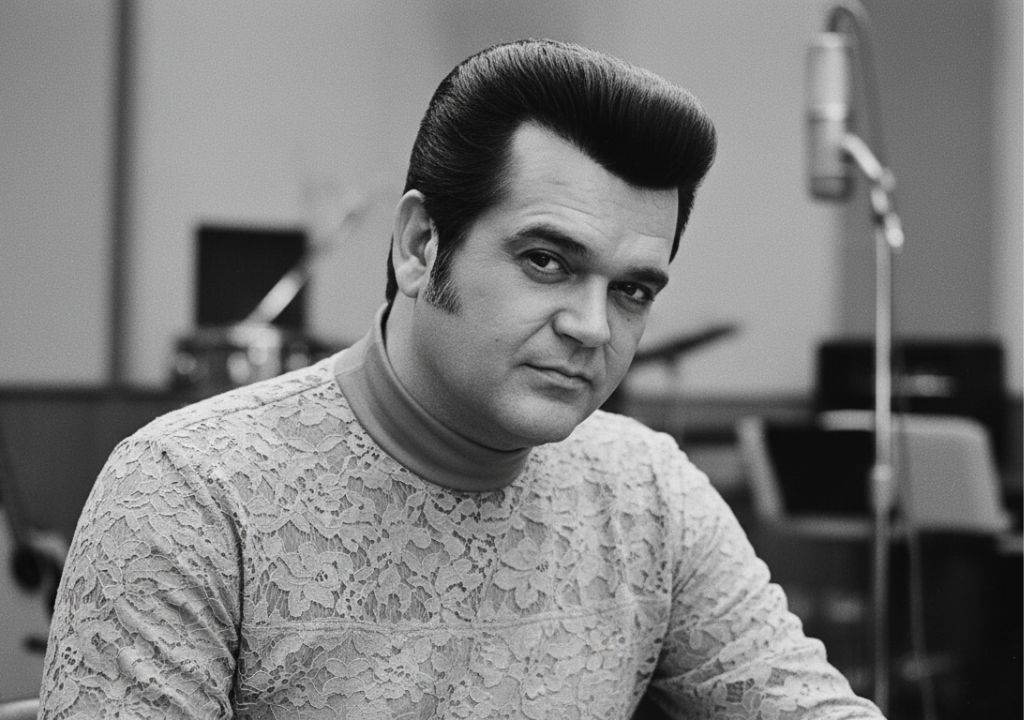
The friction between Conway Twitty’s persona and Southern religious sensibilities was rooted in a profound irony: the man they were condemning had once stood in their very pulpits. Born Harold Jenkins in the Mississippi Delta, Twitty had been a boy-preacher at church revivals long before he became a chart-topping sensation. This theological foundation informed his stagecraft, lending his performances a weight and sincerity that felt remarkably like a Sunday morning service. It was this specific energy that led the renowned Christian comedian Jerry Clower—a staunch Southern Baptist—to dub him the “High Priest of Country Music.” While some clergy viewed the moniker as borderline sacrilegious, for the millions of fans in the pews, it described a man who could articulate the complexities of earthly love without ever truly abandoning the gravity of his roots.
Throughout the 1970s and 1980s, religious leaders like Jerry Falwell frequently lamented the perceived erosion of traditional values in popular culture, often citing the “sensual” shift in country music as a primary symptom. Yet, Twitty remained an enigma that the moralists could never fully dismiss. He meticulously curated an offstage life that was the epitome of a Southern gentleman, avoiding the tabloid scandals and public excesses that plagued many of his contemporaries. By maintaining a private, disciplined life while performing songs that explored the “forbidden places” of the heart, he created a bridge between the repressed desires of his audience and their deeply held moral convictions. He didn’t mock the faith; he humanized the struggle of the faithful.
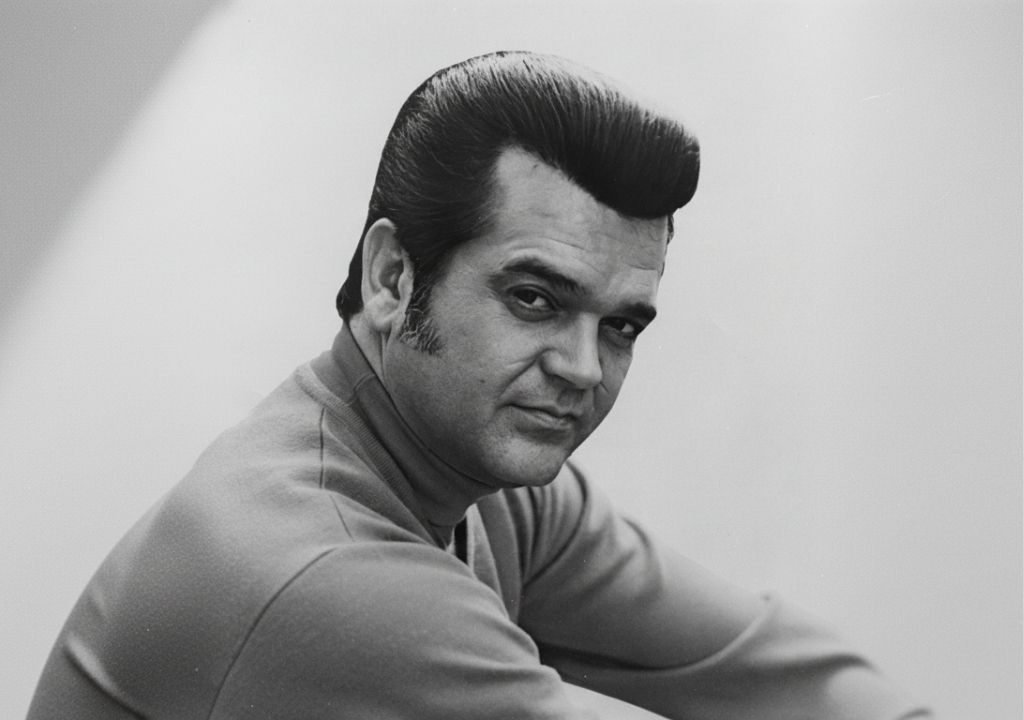
This delicate balance allowed Twitty to survive where others might have been excommunicated from the genre. His ability to evoke a “religious experience” while singing about domestic intimacy proved that the Southern audience did not view desire and devotion as mutually exclusive. He understood that the greatest tension in the human experience lies in the space between the spirit and the flesh. By occupying that space with authority and poise, he transformed the “High Priest” title from a controversial nickname into a definitive statement on his legacy. He remains the only artist who could elicit a gospel-sized reaction from a song about a Tuesday night rendezvous, proving that in the South, the voice of the preacher is never entirely lost, even when it is whispered in the dark.